Dutch road authorities gained a near-real-time view of road conditions from connected-vehicle data
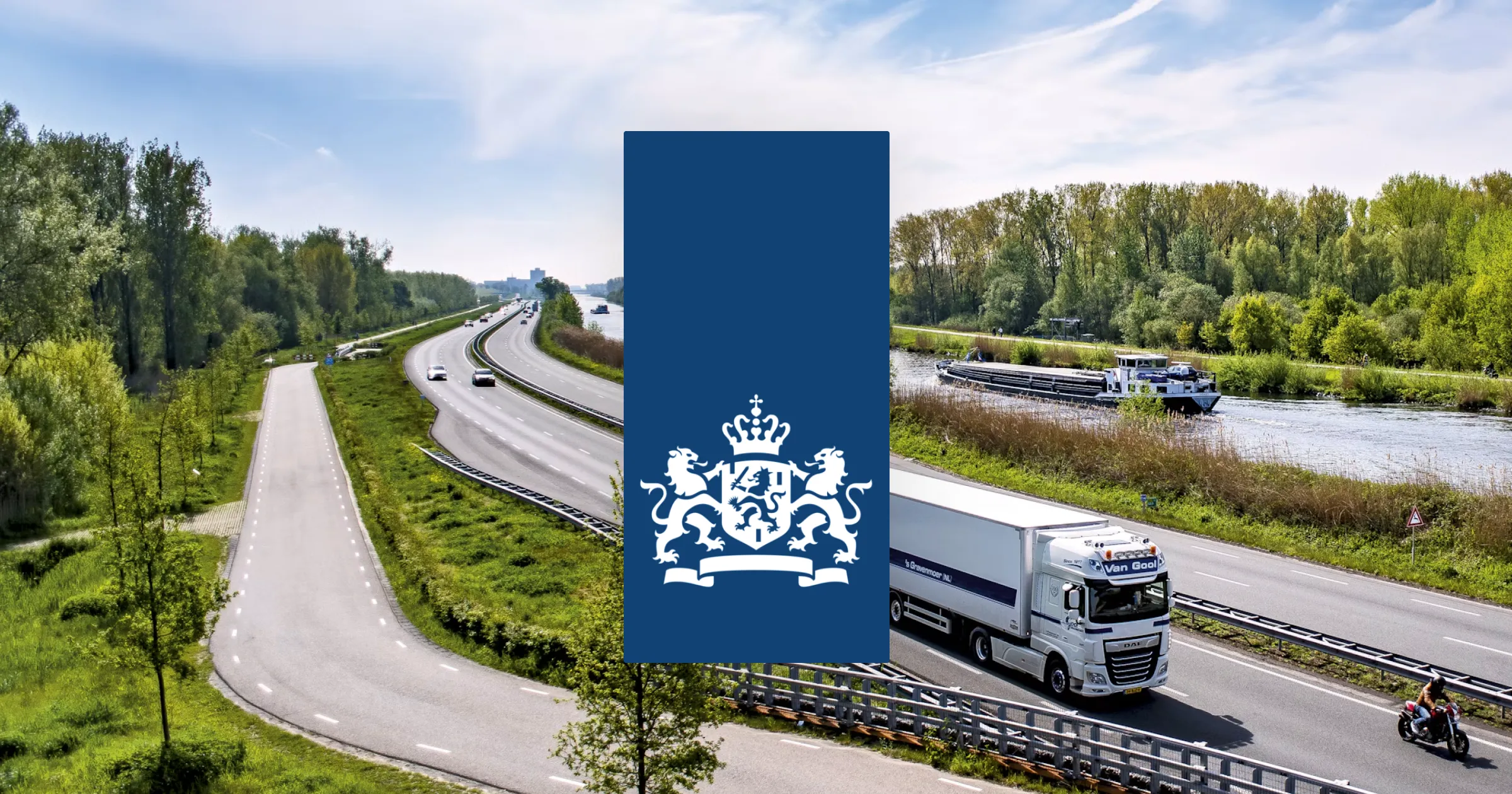
Univrses is unlocking the value of data collected at scale from connected vehicles. In the Netherlands, the company uses friction data from connected Volvo cars to provide road intelligence that helps road authorities make smarter, more informed maintenance decisions.
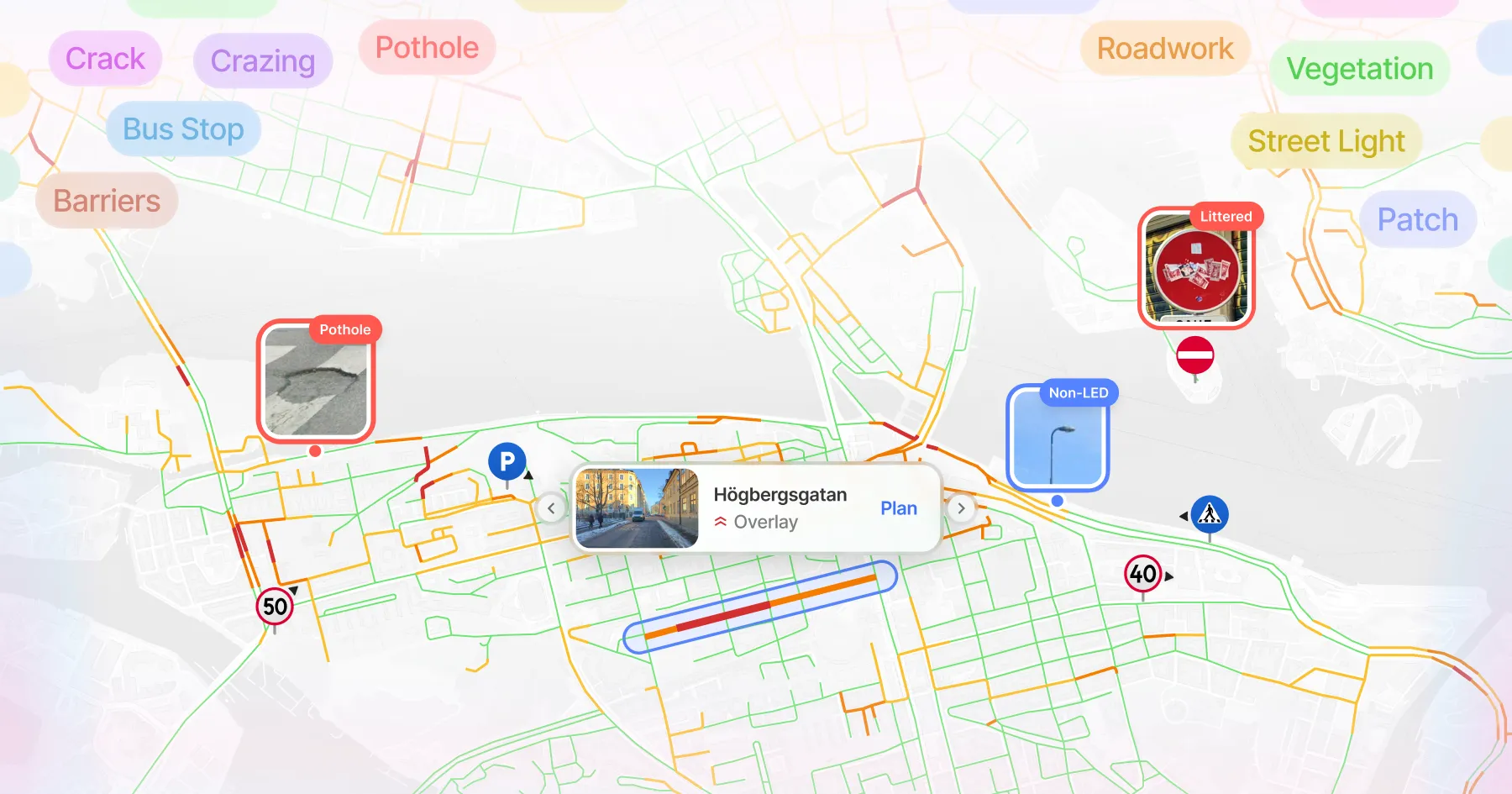
Through the 3DAI™ platform, Univrses is building a broader model for road monitoring that brings together data from multiple sources, now including production vehicles. With near-real-time insights at network scale, the model marks a step change in how frequently and comprehensively road authorities can understand conditions across their networks.
Friction is just one example of what connected fleets can reveal. Univrses also analyses images from cameras fitted to maintenance vehicles on Dutch roads to identify road damage, assess its severity and track changes over time. This work is laying the groundwork for connected vehicles to contribute imagery at scale. In the future, the same approach could draw on a far larger pool of imagery from cameras built into connected production vehicles, giving road authorities a richer, continuously updated picture of the road network.
The challenge
Dutch road authorities are looking at vehicle data for a more up-to-date picture of their networks. Manual road inspections provide detailed assessments, but their cost limits how often they can be carried out, leaving teams without an up-to-date picture of how conditions are changing between surveys. They can also expose inspection teams to traffic risks, and different inspectors may assess the same damage differently.
More regular, consistent observations help teams identify damage early, so interventions can be made before deterioration increases costs and safety risks. Timely information about reduced grip is particularly valuable for winter maintenance.
During ordinary journeys, connected vehicles already generate data that could help meet these needs. The challenge is to turn those observations into information road teams can act on. A friction signal from a single car cannot, on its own, tell a winter maintenance team where to send salt spreaders or how much salt a stretch of road will need. To support those decisions, measurements must be aggregated, processed and interpreted, so that what reaches maintenance teams is reliable, linked to the right road sections and delivered when they need it.
Authorities including the national road authority Rijkswaterstaat are working with Univrses to meet these requirements.
From vehicle data to road intelligence
3DAI™ by Univrses converts what individual vehicles record into road condition information for Dutch road authorities.
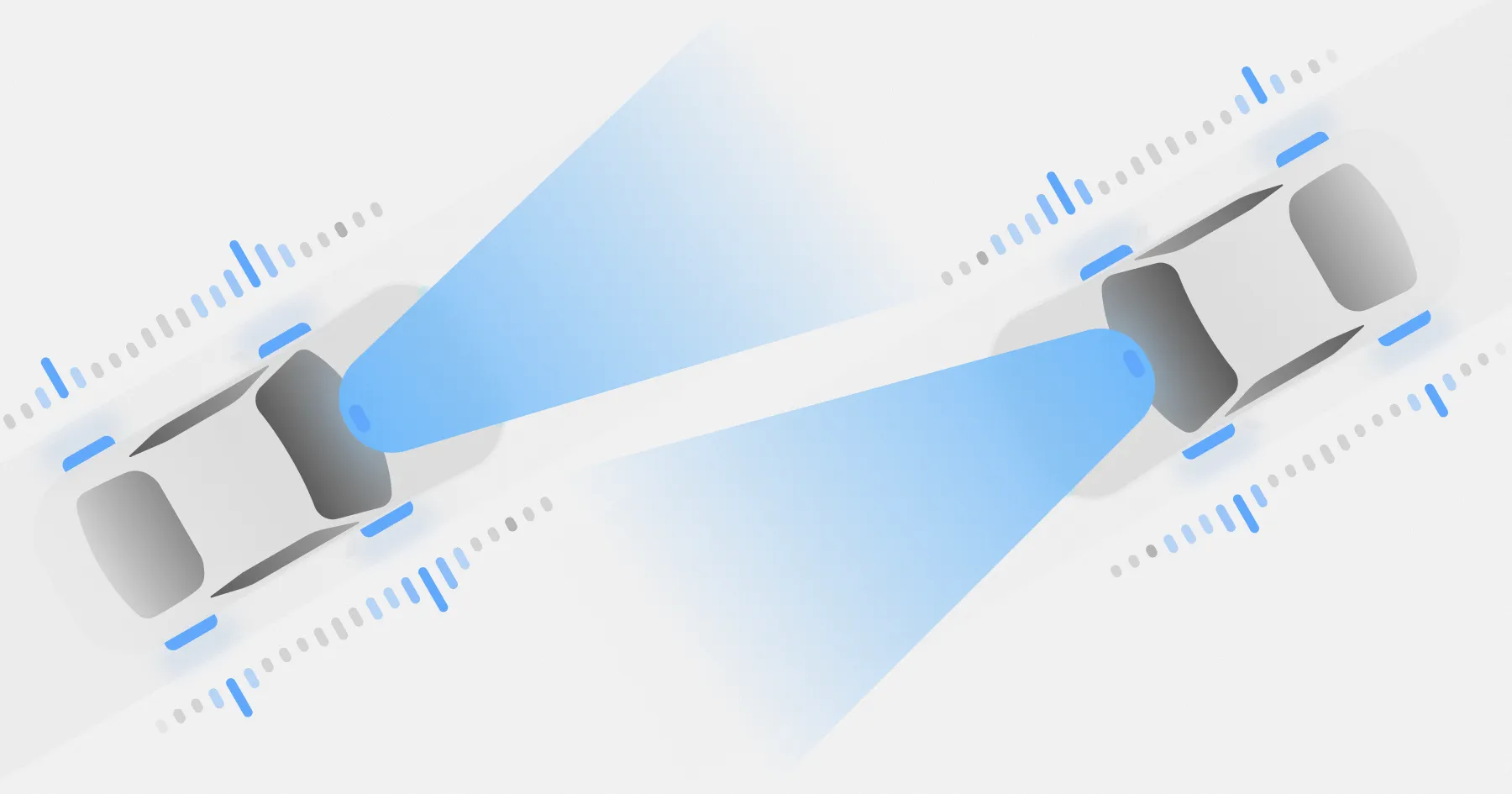
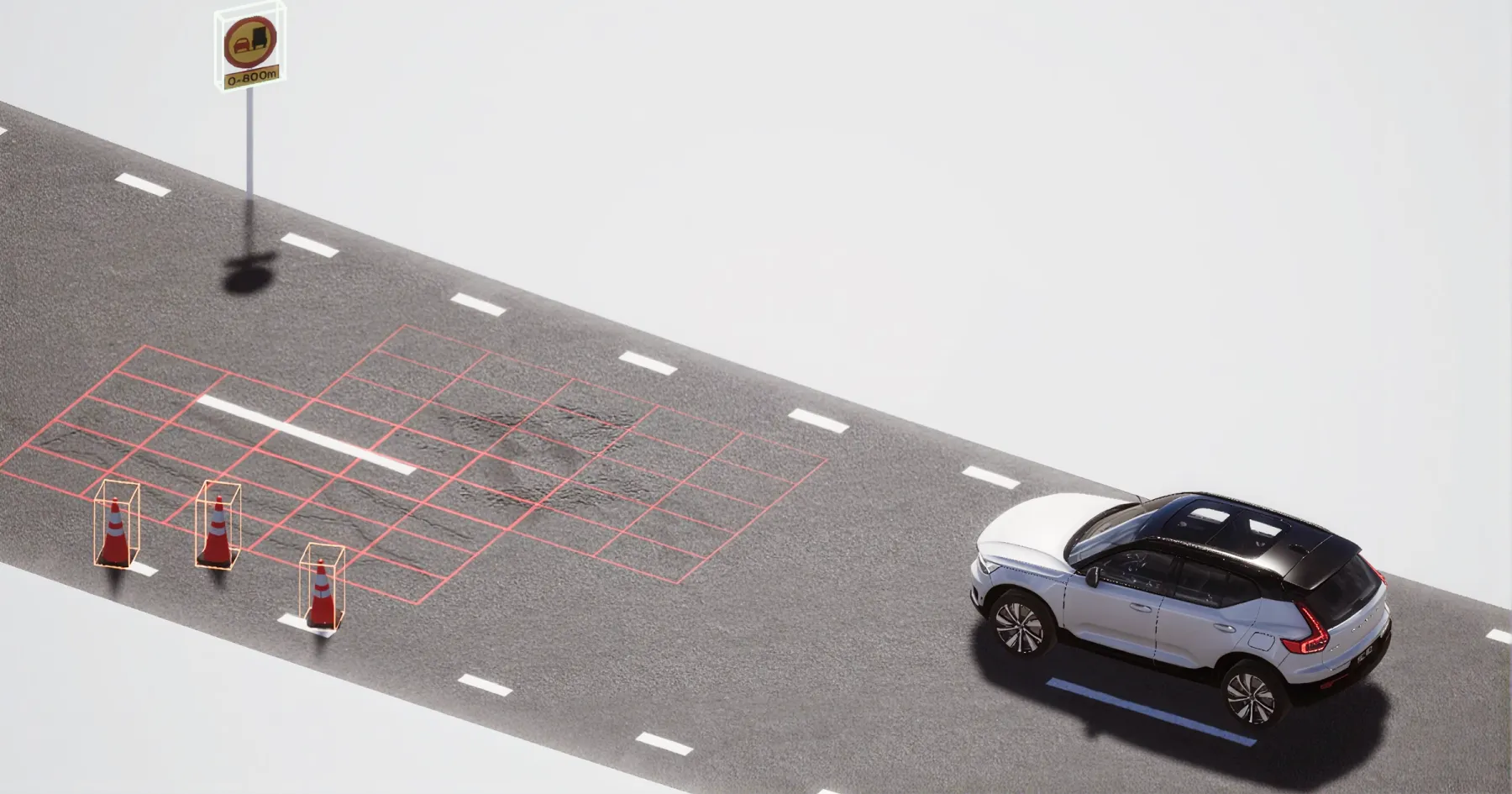
Volvo Cars vehicles continuously monitor road friction as part of their traction control and electronic stability systems, supporting vehicle safety and performance. Univrses aggregates and anonymises these measurements and matches them to the road network, so that readings from individual journeys show grip on specific stretches of road. The results are available through Univrses' API for use in road authorities' own systems, where they can help winter maintenance teams see where grip is reduced and decide where to act. The same information that helps keep drivers safe can now also help road authorities keep the roads safe.
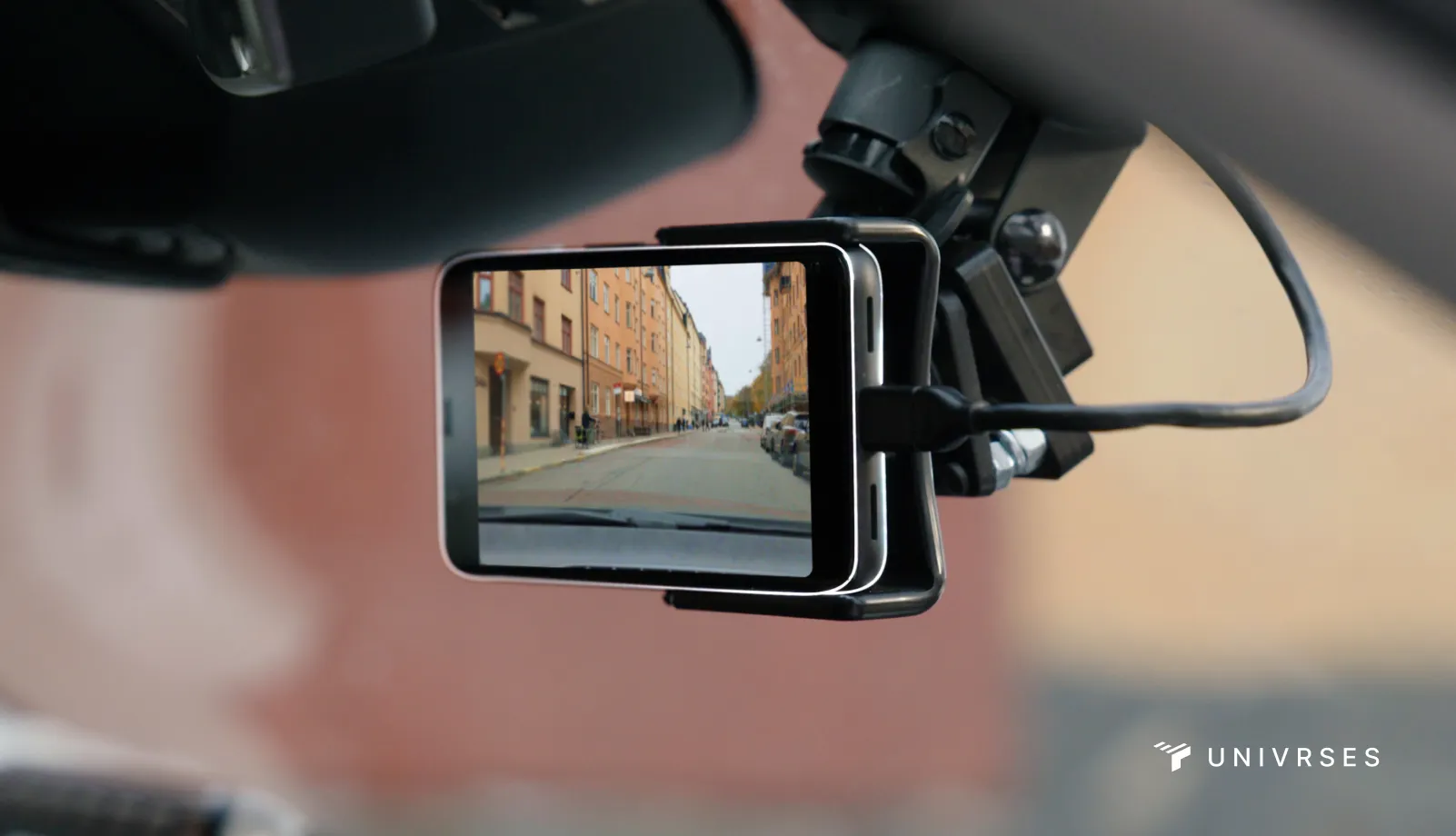
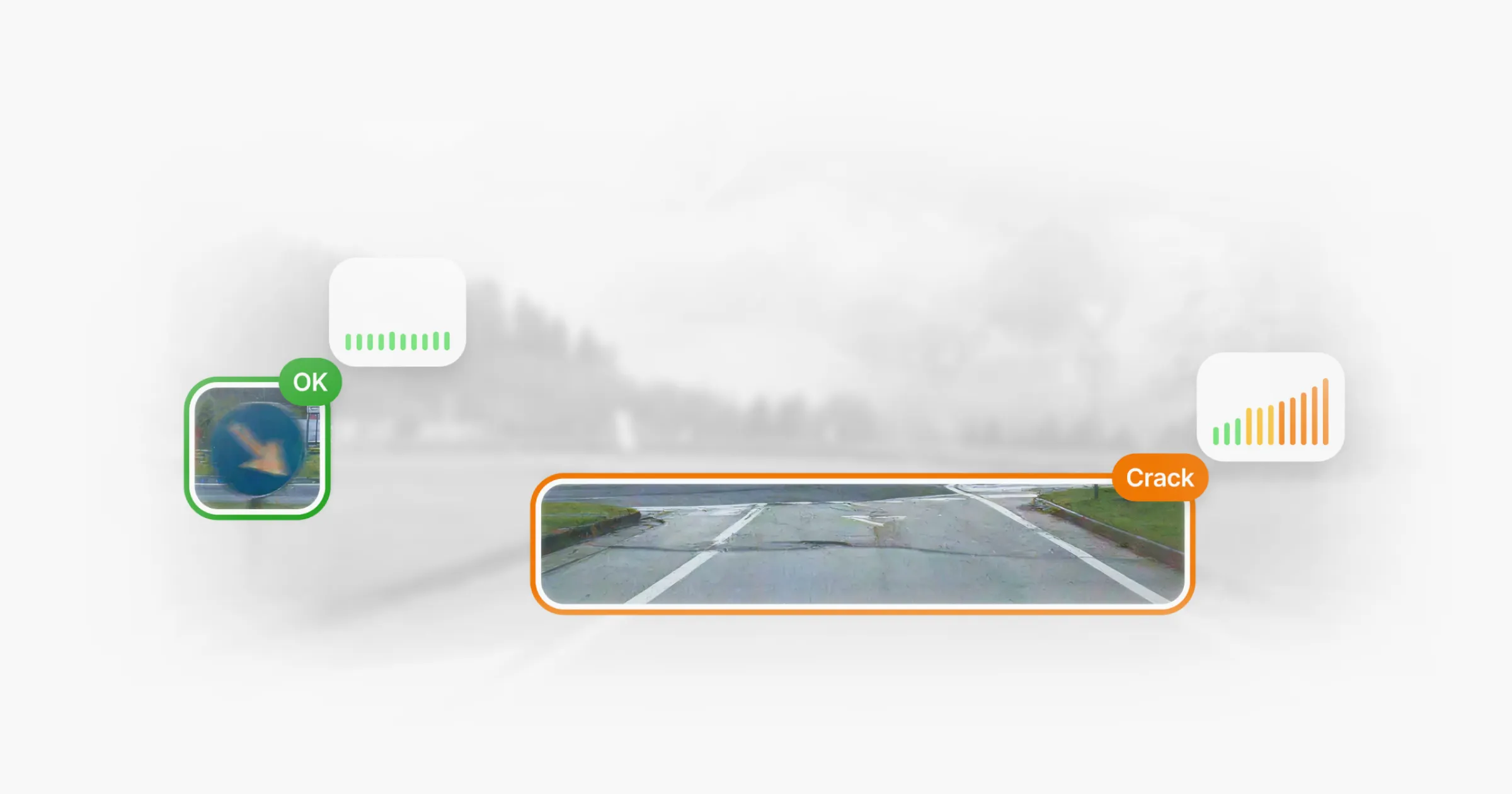
For image-based assessment, Univrses works with road maintenance contractor Van Doorn, whose knowledge of Dutch inspection methods and Rijkswaterstaat's maintenance workflows helps shape the assessments around road teams' needs. Van Doorn's vehicles carry cameras that capture the road during regular journeys. 3DAI™ automatically anonymises the images and analyses them to find damage and rate its severity. Each finding is linked to a location and a photo, allowing users to see the condition for themselves.
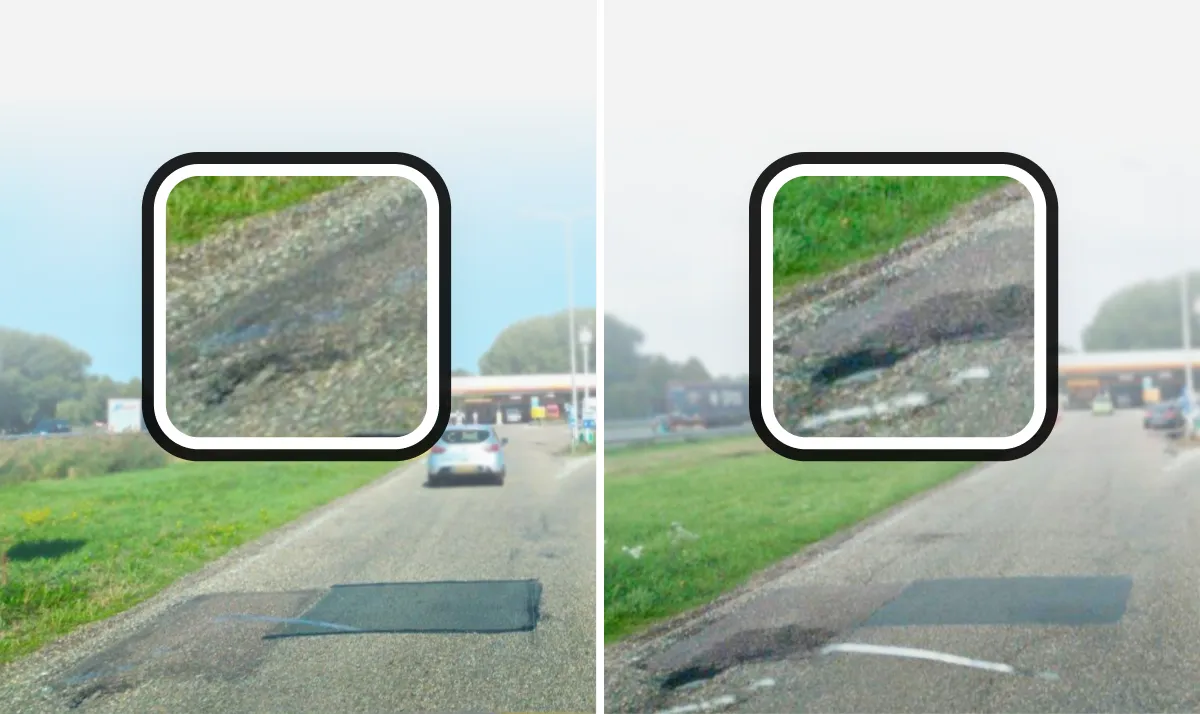
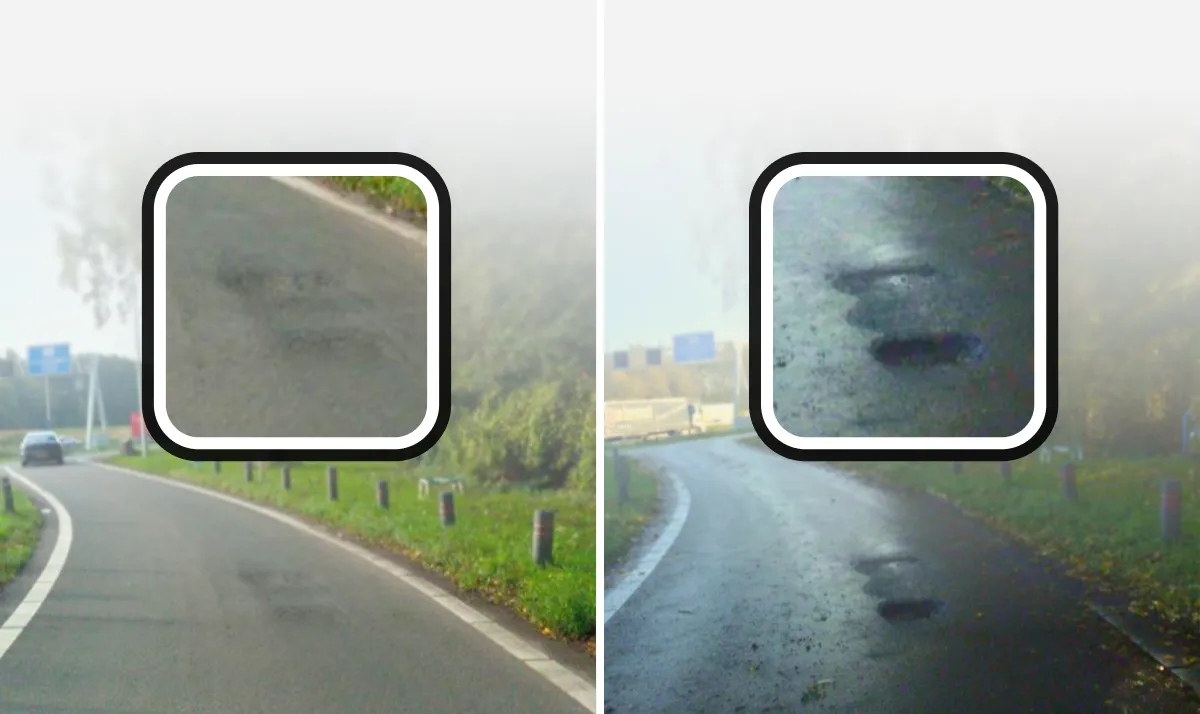
Through the 3DAI™ dashboard, users can return to earlier images of the same section and compare its condition over time. This allows road teams to review visible damage remotely, decide which repairs are needed and where to send maintenance crews.
"The real value of vehicle data comes when it informs decisions that can reduce costs, improve the use of resources and lower risks," says Jonathan Selbie, CEO of Univrses. "That is where we focus. As vehicles share more data, particularly from a wider range of onboard sensors, we can develop richer services and deeper insights for the people who maintain the roads."
Impact
Friction information is available through Univrses’ API within 10 minutes of measurement. For winter maintenance, that means timely information about reduced grip on road sections where connected Volvo cars have collected measurements.
Univrses also delivers weekly surface damage assessments. Between February and November 2026, approximately 3 million road images were collected across more than 25,000 kilometres of driving. This enables significantly more frequent monitoring than traditional methods: during the most recent four-week reporting period, 66% of covered road segments were surveyed at least twice, with nearly 14% surveyed more than six times, compared with the one or two inspections typically conducted annually using conventional methods.
Sample checks against human assessments showed that Univrses’ damage detection met the quality standards set by Rijkswaterstaat for both missed damage and incorrectly reported damage.
Rapid pothole growth in one month
Rapid pothole growth in two months
From retrofit to connected fleets
The work with Van Doorn not only delivers road assessments; it also provides a practical demonstration for vehicle manufacturers of how imagery from their vehicles could be used. If manufacturers, including Volvo Cars, make images from their built-in cameras available, Univrses can apply the same approach across a much larger fleet. For road authorities, that would bring both frequent and detailed updates on road conditions, enabling earlier damage detection and more targeted repairs to reduce maintenance costs and improve safety.
The longer-term opportunity is a national model that draws on multiple fleets, vehicle manufacturers and data providers. Combining complementary sources could give Dutch road authorities a more complete view of their networks, with coverage that can grow beyond one dedicated collection fleet or a single manufacturer. That view will expand to a range of use cases, including road unevenness, the condition of road markings and other roadside assets. Further safety applications will help identify hotspots, accidents and stationary vehicles, depending on the data and integrations available.
For authorities elsewhere, the deployment shows how Univrses can put existing vehicle data to work today and build on it as more sources become available. More frequent observations reduce authorities’ reliance on periodic manual inspections and help maintenance teams see where attention is needed sooner.
Next steps
Univrses plans to expand collection through more maintenance vehicles and work more closely with vehicle manufacturers, and is already reviewing datasets from other companies to see how they could complement the existing services.
The partnership with Pirelli could bring tyre-derived data into this work. Univrses has proposed evaluating whether data from Pirelli’s Cyber™ Tyre technology could add to the visual damage assessments and friction information in the Netherlands.
Alongside this development, the ambition is to bring the resulting information into wider use at Rijkswaterstaat and other Dutch road authorities, supporting their maintenance planning and response.
Explore 3DAI for your road network
Discover how 3DAI™ by Univrses can turn road imagery and connected-vehicle data into useful information for your network.
Continue reading



Deployed in 15+ countries together with national road authorities & organisations.