Trafikverket moved from annual road surveys to continuous monitoring across Sweden's network

Trafikverket, the Swedish Transport Administration, deployed 3DAI™ by Univrses on contractor vehicles to collect road condition data during their regular operations. The project brought AI road inspection into everyday maintenance work, with the aim of providing year-round monitoring and more frequent information to complement the agency’s scheduled road surveys.
For an authority responsible for approximately 104,000 km of state-owned roads, the goal was to identify damage earlier and direct maintenance resources where they were needed. Cameras on vehicles already travelling the network provided a way to collect that information as part of existing operations.
The Challenge
Trafikverket owns, builds, operates and maintains Sweden’s state-owned roads, helping ensure safe and efficient travel for a population of around 10 million. The network stretches from densely populated urban areas to remote rural regions, with maintenance needs shaped by traffic volumes, terrain and seasonal conditions, including Sweden’s harsh winters.
The agency had long been a pioneer in road management, using specialised vehicles to measure road conditions annually or every two years. These surveys captured detailed information about road profile, roughness, friction and damage, supported by manual checks.
The measurements provided valuable information, but their cost and frequency limited how closely Trafikverket could follow changes between surveys. Urgent defects could go undetected, while smaller problems could develop into more extensive and expensive repairs. Winter wear added to the pressure, shortening the life of roads when damage was not addressed in time.
Population growth and expanding urban areas increased the demand for more frequent and detailed road condition data. Trafikverket needed a way to complement its existing surveys, giving maintenance teams a more current view of the network and a better basis for deciding where and when to intervene.
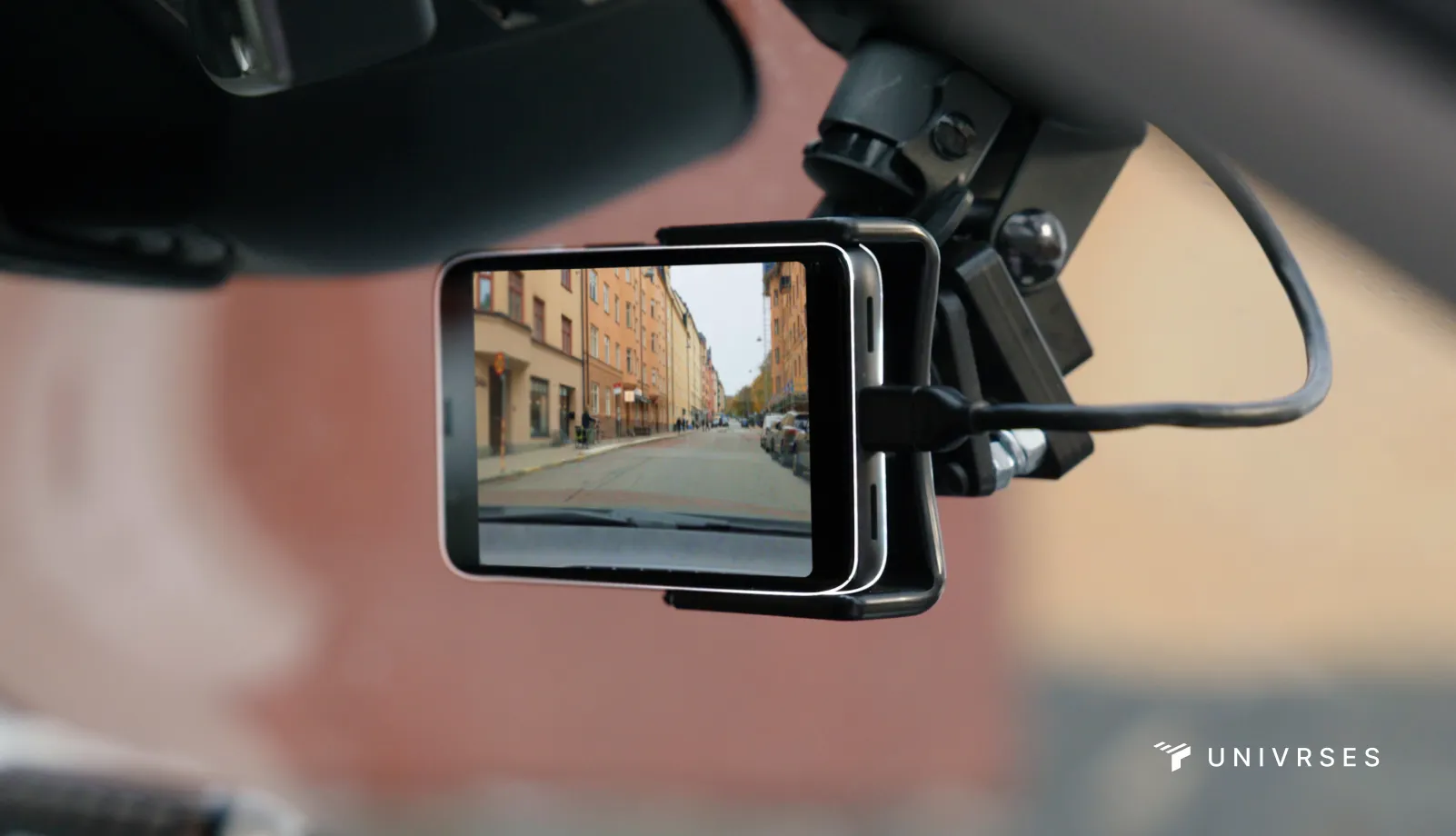
Collecting road data through existing fleets
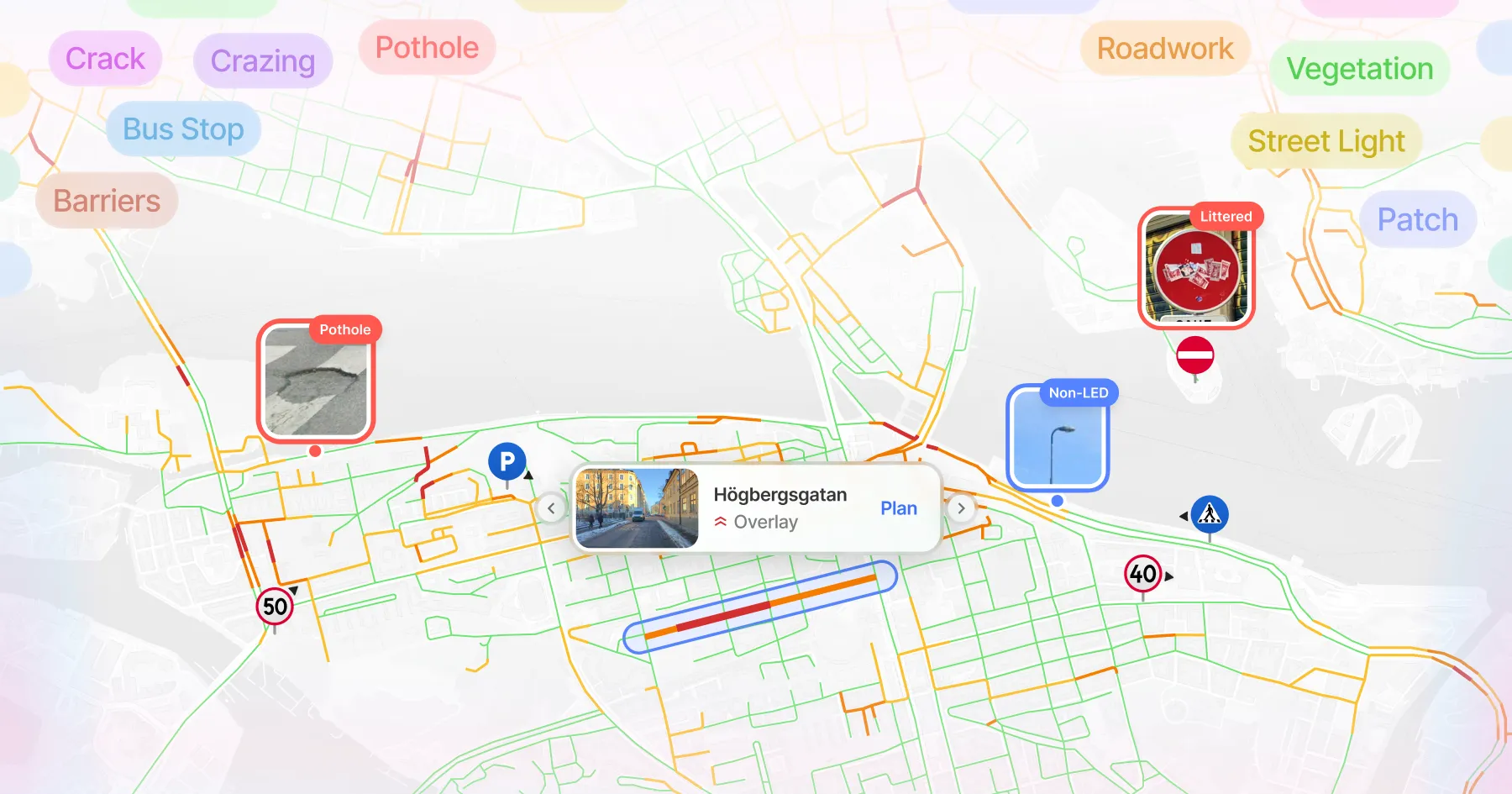
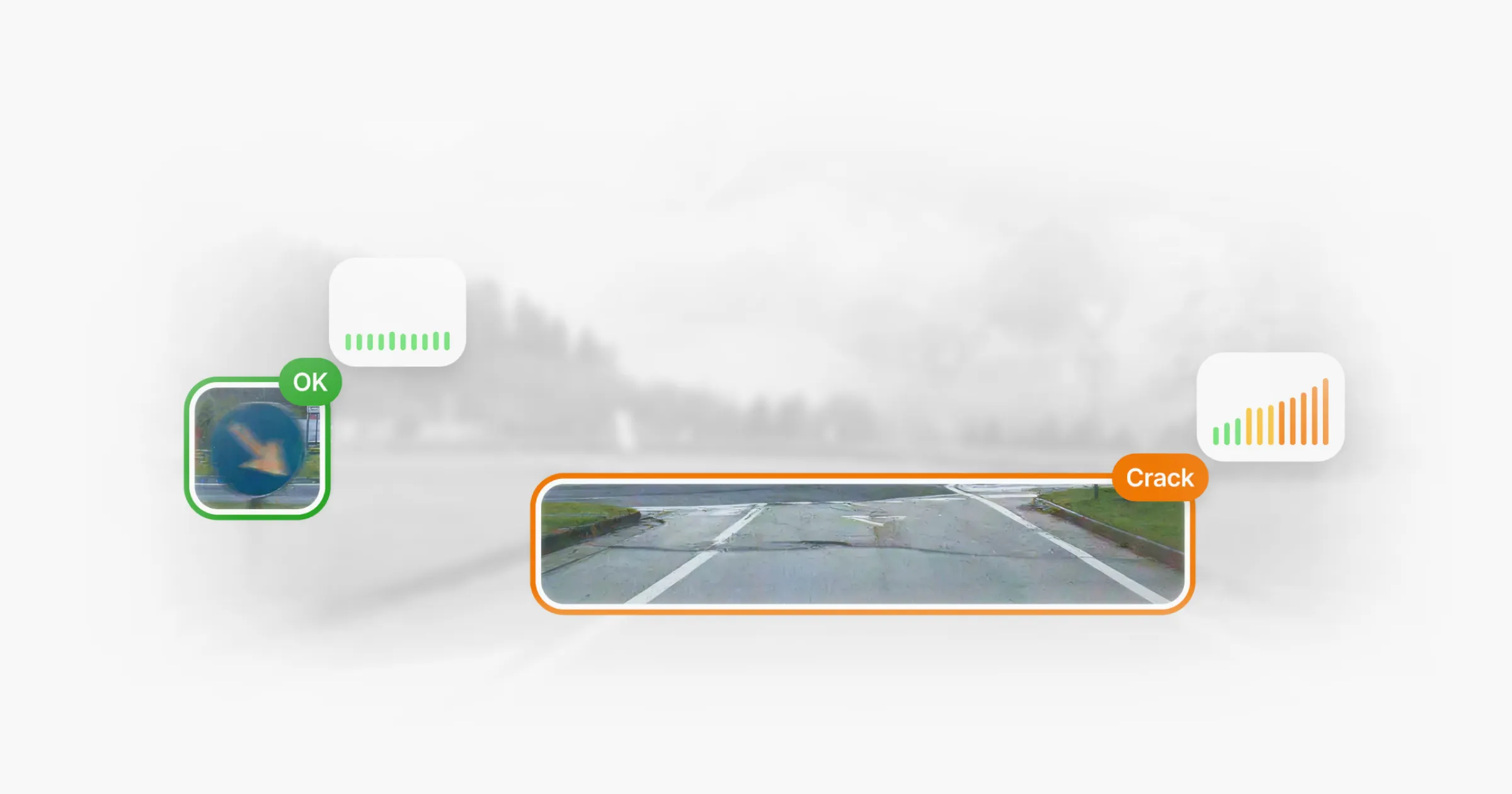
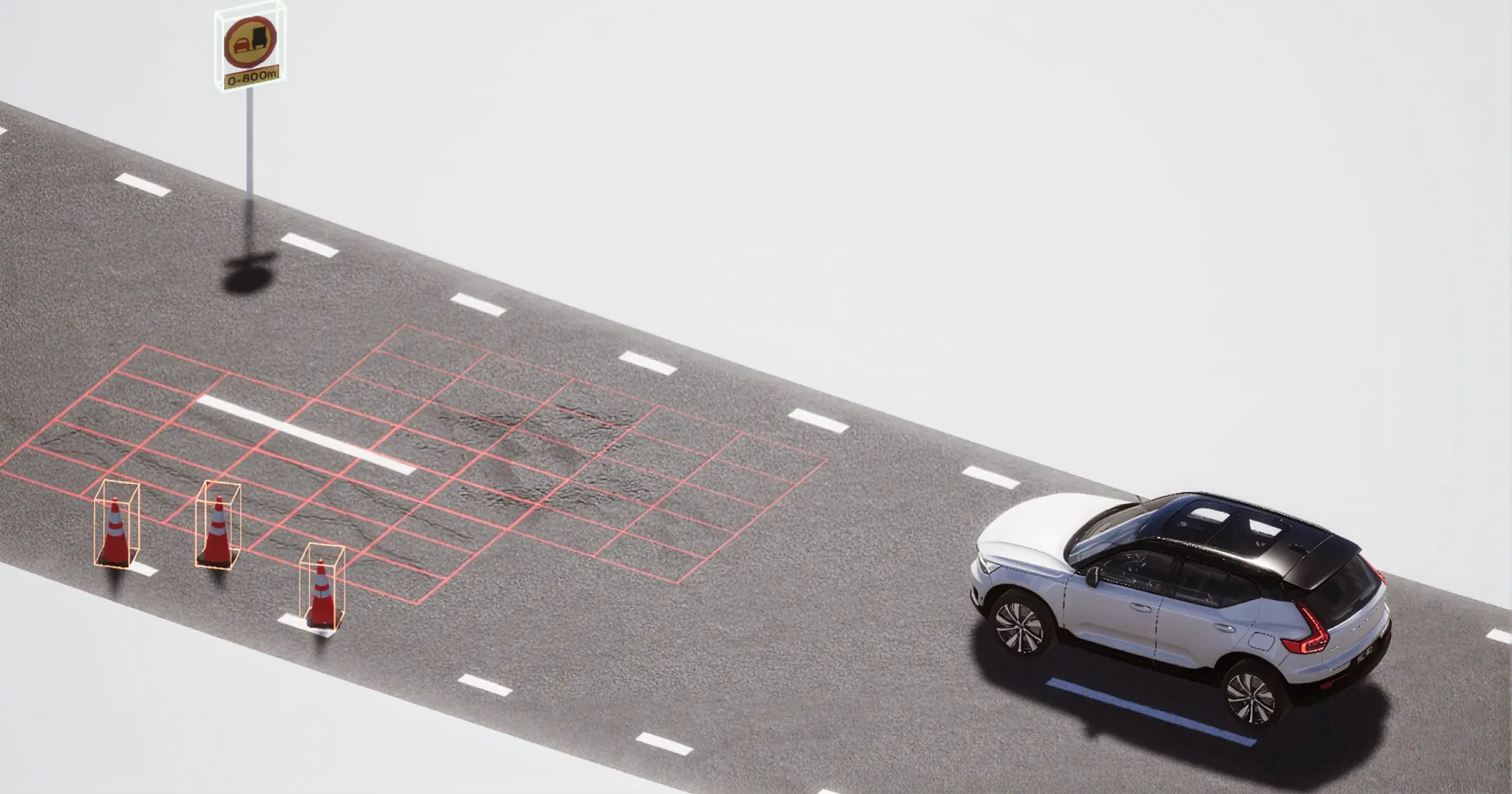
Trafikverket’s collaboration with Univrses formed part of a broader effort to maintain and make better use of existing infrastructure. The 3DAI™ deployment began with planning and testing, followed by installation in contractor vehicles used for road maintenance and manual inspections across Sweden. Cameras collected imagery during the vehicles’ regular routes, and the system processed it into road condition data, detecting cracks, potholes and other surface damage.
Collection was automated, requiring minimal interaction from vehicle operators and allowing them to continue their normal work. Trafikverket received access to the 3DAI™ dashboard, where its teams could use the resulting information to support road assessments and maintenance decisions.
Univrses also adapted the system to Trafikverket’s requirements for year-round monitoring, including road conditions affected by severe winter weather.
Privacy and security
Privacy was built into the data collection process. Vehicle operators had no access to the imagery or location data collected by the system. Faces and number plates were blurred to anonymise the images, and 3DAI™ was designed to meet GDPR requirements.
Building coverage across Sweden
Univrses worked with contractors including Svevia to collect data through their existing vehicle fleets. Their routes extended from busy urban roads to rural areas, providing a basis for expanding monitoring across the network.
The frequency of data updates for each road depended on how often equipped vehicles travelled it. The project anticipated regular updates, potentially as often as daily in urban areas with frequent vehicle movements.
“We often use Google Street View to check road damage. But one problem is that in certain areas the images are several years old and not accurate enough. 3DAI™ can solve this problem.”
- Road Engineer, Trafikverket
Potential annual savings of up to EUR 14 million
More frequent road condition data was expected to help Trafikverket identify damage earlier and intervene before smaller defects required more extensive repairs. Fredrik Lindström, National Coordinator for Paved Roads at Trafikverket, explained the expected change in an interview with Trafikredaktionen at Sveriges Radio:
“The major advantage is that we receive data much more frequently. Typically, we measure the condition of the roads once a year, but with this technology, we can receive data once a week or even daily on high-traffic roads.”
With more current information, Trafikverket would have a stronger basis for prioritising repairs and allocating maintenance resources and budgets. More targeted interventions could help limit deterioration and address maintenance debt, while automated monitoring was expected to reduce reliance on manual inspections.
In the same interview, Lindström estimated that using connected vehicle data to detect road damage could save Trafikverket SEK 20–160 million per year (up to approximately EUR 14 million).
More detailed monitoring could reveal damage that had previously gone undetected, potentially increasing repair costs initially. Over time, however, better information was expected to support more targeted interventions and lower overall maintenance costs.
“There is significant potential for efficiency in our operations, allowing us to make more informed decisions and execute repairs with better data”, Lindström added.

Longer-term ambitions
The project’s longer-term ambition was to achieve comprehensive data collection across Sweden’s road network by combining vehicles fitted with 3DAI™ equipment with those carrying manufacturer-integrated technology. Univrses was already collaborating with car manufacturers, providing a basis for this expansion.
Further monitoring options included fitting 3DAI™ to taxis, buses and waste collection vehicles to collect data along their routes. Beyond road surface condition, Trafikverket could use the system to monitor traffic signs, streetlights and barriers, although these assets were not the project’s primary focus.
Trafikverket also planned to explore predictive analysis to anticipate road deterioration, with the aim of intervening earlier to extend road life and reduce disruption.
More targeted maintenance also offered a route towards the agency’s sustainability goals. By addressing damage earlier and using resources more efficiently, Trafikverket aimed to reduce the need for extensive repairs and the environmental impact of maintenance, including associated emissions.
Building on Trafikverket’s history of innovation in road management, the project was intended to provide a model for other countries exploring AI and connected vehicle data for infrastructure maintenance.
Explore 3DAI™ for your road network
See how AI road inspection with 3DAI™ by Univrses can give your teams regularly updated road imagery and data to support maintenance decisions.
Continue reading





Deployed in 15+ countries together with national road authorities & organisations.