Helsingborg reduced its potholes by 70% in five months

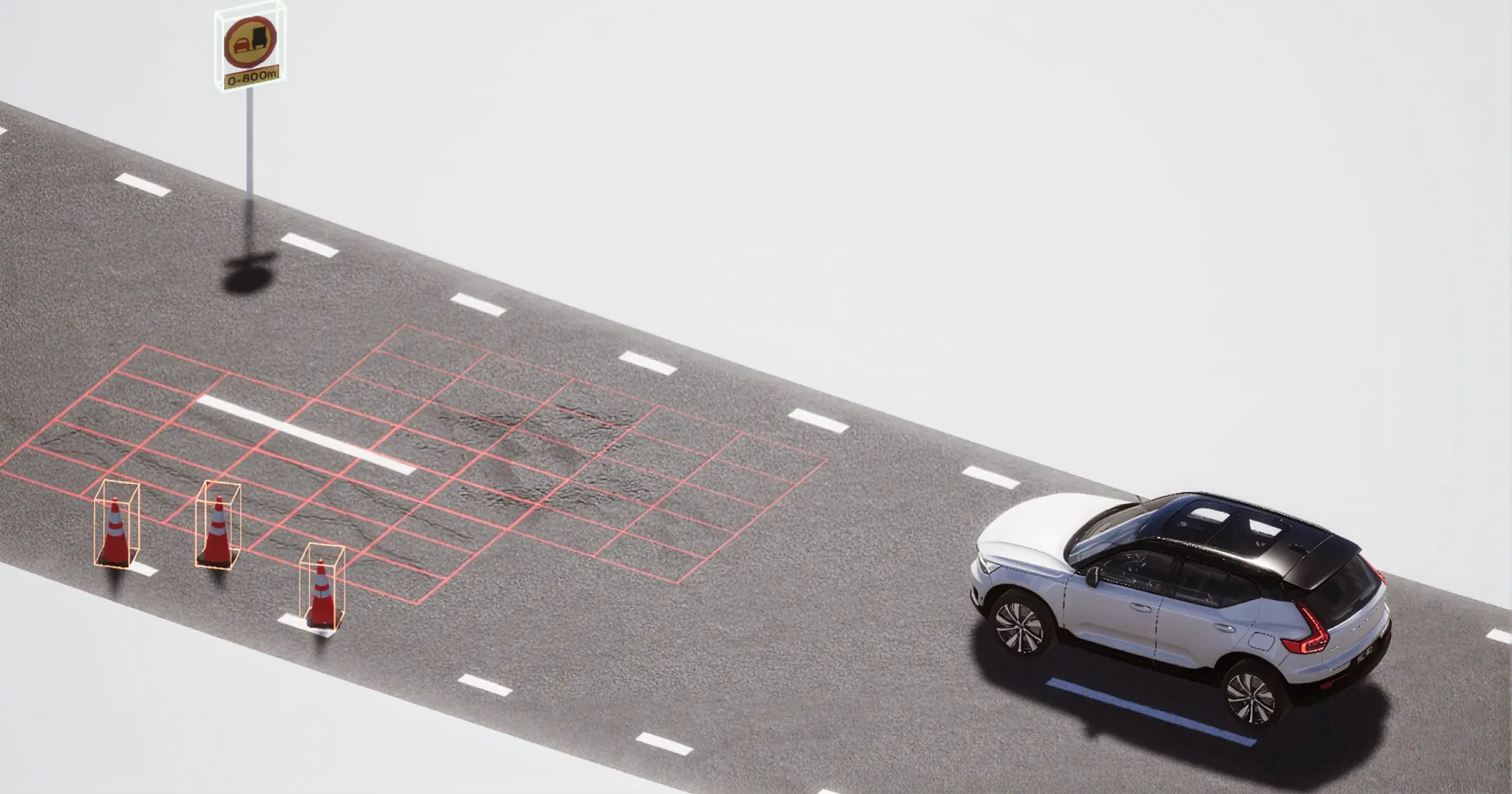
The City of Helsingborg used 3DAI™ by Univrses on waste collection vehicles to monitor road damage and traffic signs during their daily routes. With regularly updated road data, the municipality could identify maintenance needs and target repairs more effectively. Between April and September 2022, the number of potholes fell from 3,000 to 900.
The deployment also changed the work behind those repairs. AI road inspection reduced the need for manual surveys, freed staff for other tasks and helped the city cut costs by approximately EUR 80,000 in 2022.
The challenge
As a growing city, Helsingborg had to contend with ageing infrastructure, increasing traffic congestion and rising emissions. The municipality wanted to improve everyday services for its 150,000 residents while making better use of its resources.
For the teams responsible for road maintenance, one obstacle was the age of the information they worked with. Assessments often relied on data that was three to five years old, while manual road status checks took 2.5 working days each week. The city needed more current information to identify where attention was needed and act before damage became more costly to repair.
Helsingborg’s collaboration with Univrses began in 2020 with a demonstration of 3DAI™. Recognising the system’s potential to collect and monitor road and infrastructure data, the city developed a plan for deployment and further development.

Collecting road data during waste collection
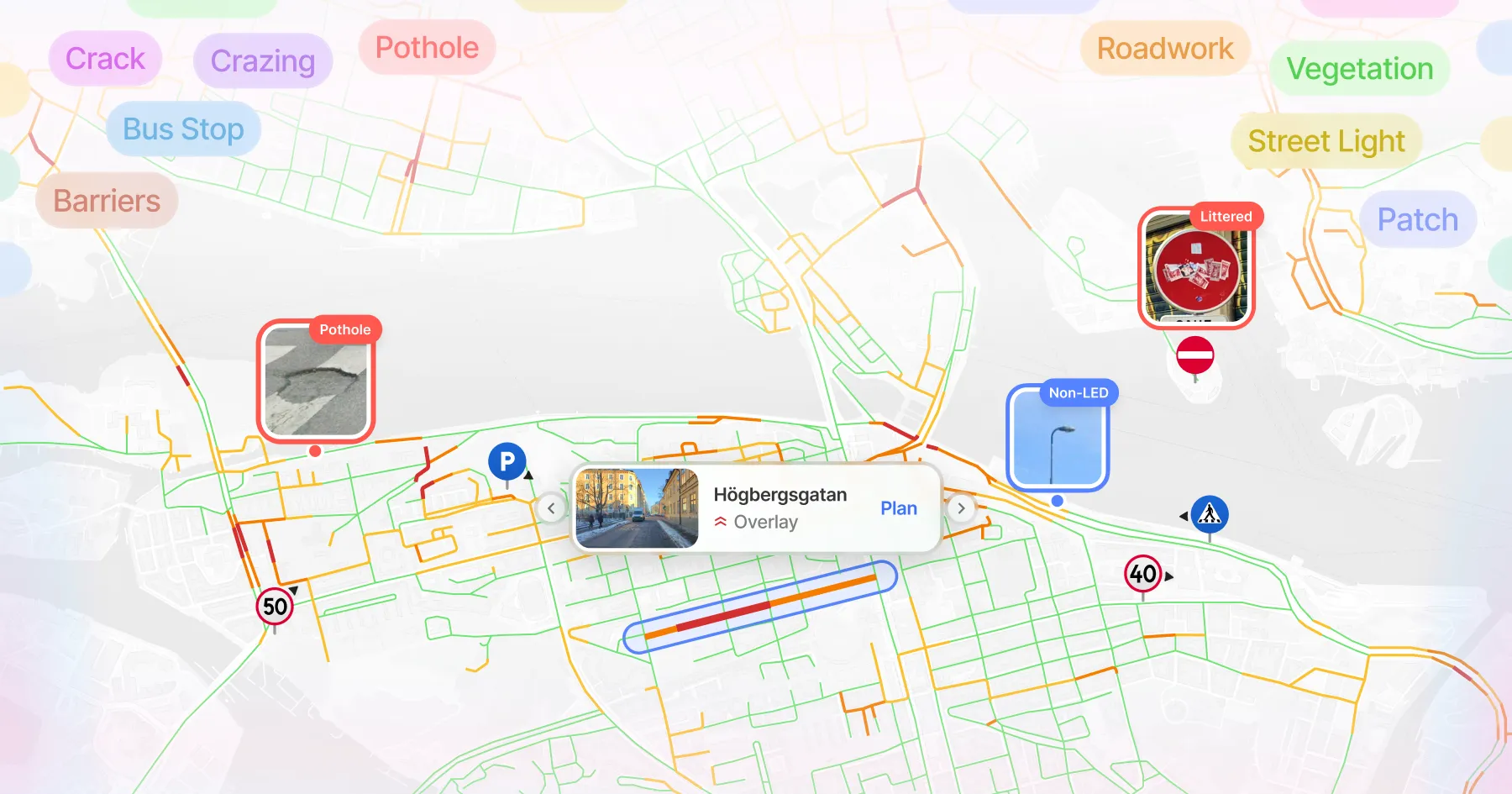
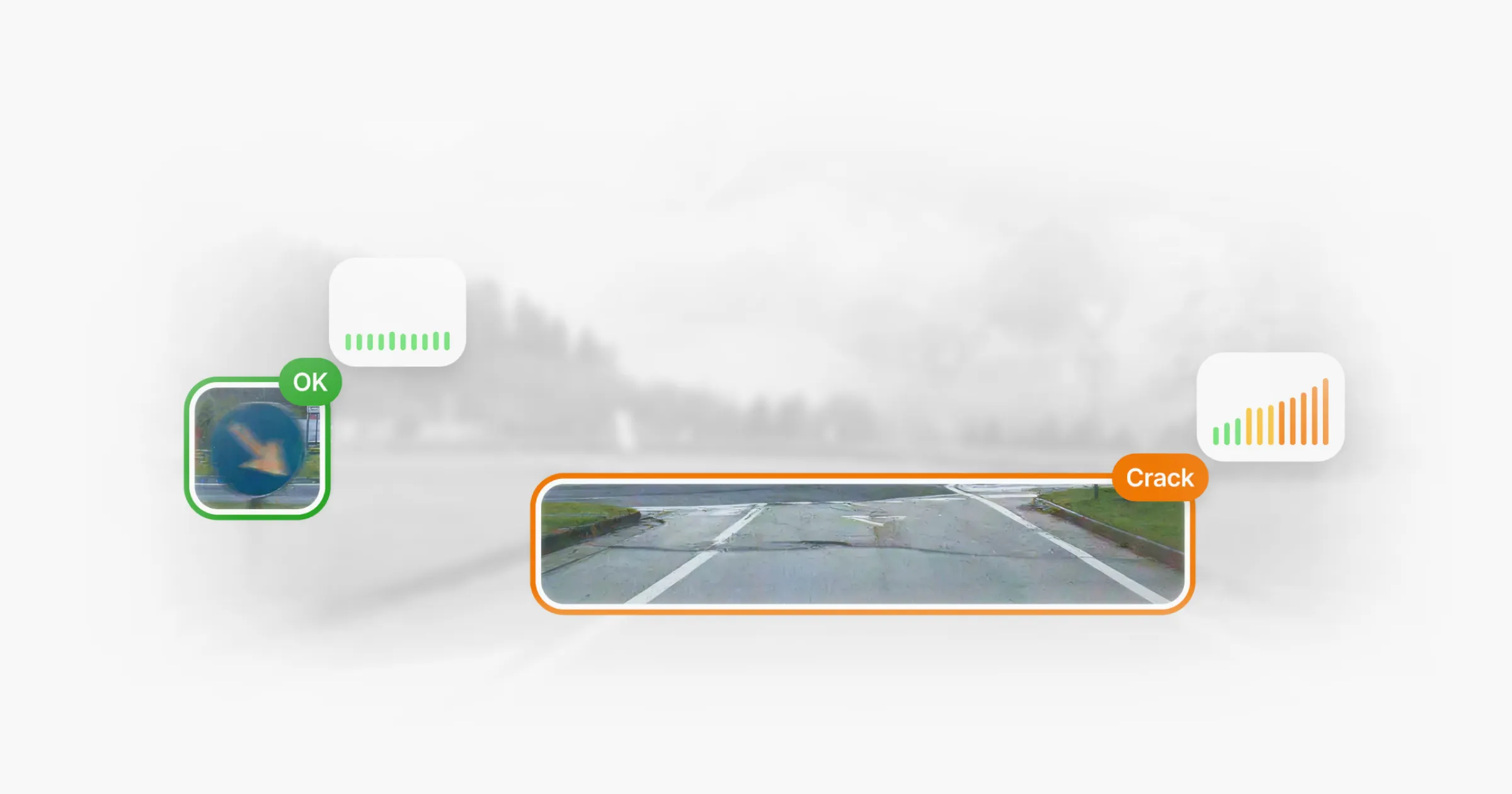
Cameras on waste collection vehicles provided by NSR (Nordvästra Skånes Renhållnings AB) collected road imagery during their daily routes. 3DAI™ processed this imagery into data on road damage and the location and condition of traffic signs.
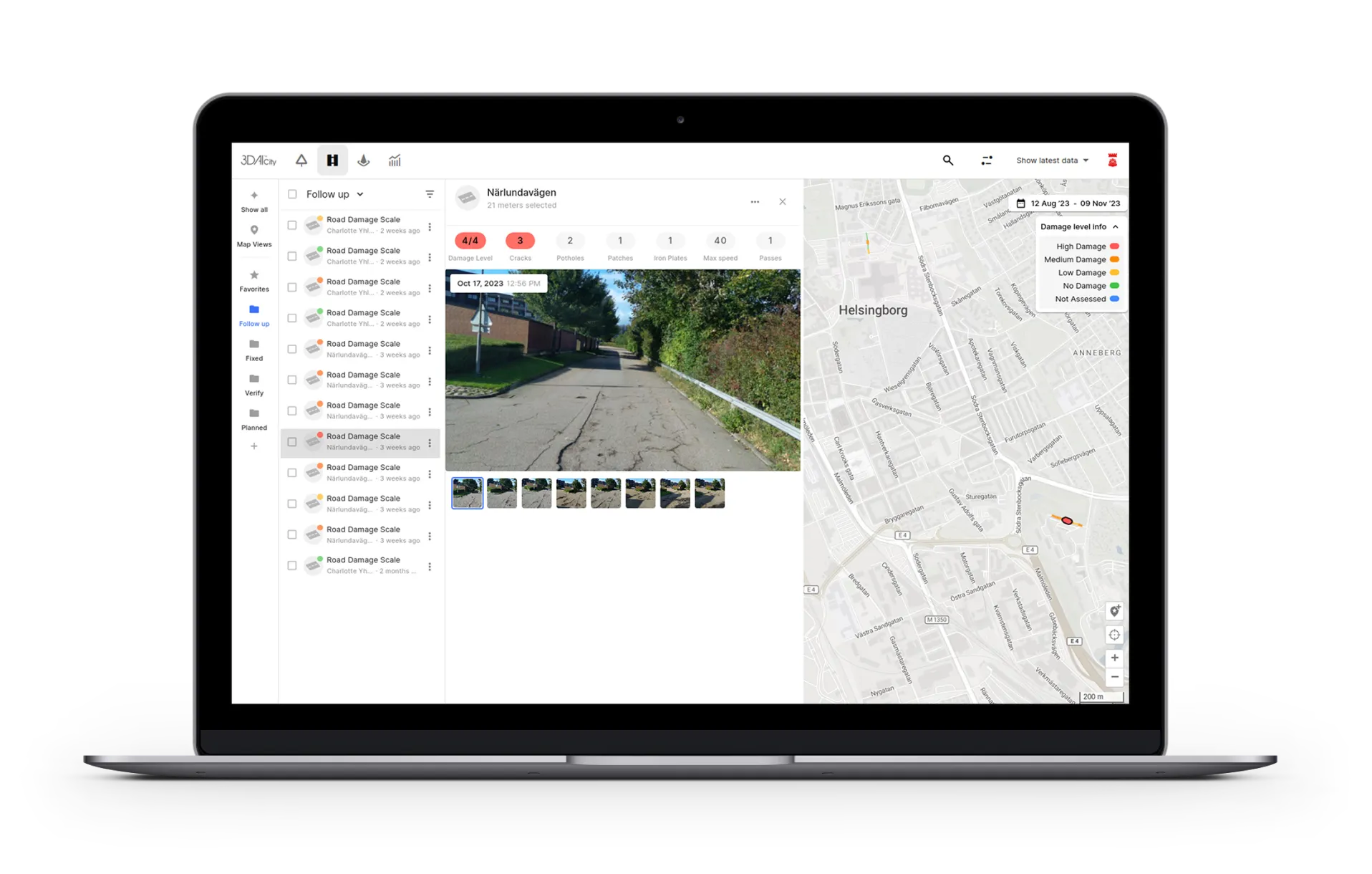
Municipal road operators accessed the information through Univrses’ 3DAI™ dashboard. Regular updates gave them a more current view of the network to use when assessing maintenance needs and planning work. Data collection became part of the waste collection rounds, reducing the need to send staff out specifically to check road conditions.
Andréas Hall, Development Engineer at the City of Helsingborg, explained how this supported earlier intervention:
– This data-driven approach enables us to implement simple and relatively inexpensive measures to enhance our road network proactively. It helps prevent major damages that are significantly more costly in terms of both time, effort, and money to repair.
Results in Helsingborg
From 3,000 potholes to 900
Using the road condition data, Helsingborg could identify and prioritise repair needs more accurately. This helped the maintenance team focus its work where it was needed, reducing the number of potholes from 3,000 in April to 900 in September 2022, a 70% reduction in five months.
“3DAI™ boosts our road maintenance, helping us achieve a smoother, safer, and more sustainable urban environment.”
Henrik Rosdahl, Road Engineer, City of Helsingborg
Less time spent checking road conditions
The time required for road status checks fell from 2.5 working days to one hour per week. Regularly updated information through 3DAI™ reduced the need for manual checks and allowed municipal teams to respond more promptly to infrastructure needs.
“The road network is like a living entity that is constantly changing. Accessing regular, up-to-date data about its status is vital to ensure its efficiency and safety. In the past, our assessments often relied on data that was 3–5 years old. Thanks to 3DAI™, we're now equipped with consistently updated information, ensuring more timely and effective decision-making.”
Andréas Hall, Development Engineer, City of Helsingborg
Lower costs and staff available for other work
Reducing manual surveys also changed how Helsingborg allocated its inspection staff. Up to 50% of the workforce previously engaged in manual infrastructure inspections was reassigned to other tasks,enabling staff to concentrate on more critical and strategic work.
More efficient inspections and resource allocation, together with lower logistical expenses, resulted in a cost reduction of approximately EUR 80,000 in 2022.
Addressing the maintenance backlog
The value of more targeted repairs extended beyond individual potholes. Under its previous approach, Helsingborg’s maintenance debt, the total cost of repairing all roads in the city, had been increasing.
Using 3DAI™ data to focus maintenance resources helped the city reverse that direction. The improvements achieved through targeted repairs outweighed overall deterioration across the network, reducing the maintenance debt. The city achieved these improvements with fewer resources and less time than under traditional methods.
This gave the municipality a stronger basis for managing its roads over the longer term. Earlier intervention helped prevent more extensive damage and costly repairs, supporting the city’s ambitions for accessible, safe roads and more efficient municipal services.

A pioneering approach to urban road maintenance
The collaboration brought together Univrses’ computer vision expertise, Helsingborg’s knowledge of its roads and NSR’s daily operations. Together, they made road data collection part of a service the city was already providing.
The project was a pioneering example of AI in urban road maintenance, both in Sweden and internationally. It showed how an existing vehicle fleet could give municipal teams a more current view of their roads and help them put that information to work.
Explore 3DAI™ for your road network
See how 3DAI™ by Univrses can help your team monitor road conditions and assess maintenance needs using data collected during everyday driving.
Continue reading






Deployed in 15+ countries together with national road authorities & organisations.