Revolutionising asset management
In Europe, more than 20,000 lives are lost on the roads annually, with an additional 2.5 million individuals sustaining life-altering injuries. Beyond the human tragedy, these incidents impose significant financial burdens on governments. In the United Kingdom alone, the economic cost exceeds £40 billion per year—equivalent to 1.5% of GDP—including estimates of the value of lost life-years.
Governments are increasingly recognising the urgent need to invest in critical road infrastructure. However, simply constructing new roads is not a viable solution, as it would be prohibitively expensive. Instead, the only economically sustainable approach is to prioritise the repair and maintenance of existing networks. In Sweden, the government has decided to increase road maintenance investments by 53%, allocating a total of 354 billion SEK for the period 2026–2037.
Similarly, in the UK, an additional £1.6 billion has been allocated to address potholes. Yet, these efforts fall short of addressing the full scope of the issue. The Netherlands faces a maintenance deficit estimated at €25 billion, while the UK requires a further £16 billion to clear its backlog of road repairs. A parliamentary committee report from January 17, 2025, went so far as to call the UKʼs road network a "national embarrassment," highlighting the scale of the challenge.
According to the European Union Road Federation, several factors contribute to the underfunding of road maintenance. One key challenge is the lack of reliable and up-to-date data available to decision-makers and road authorities, limiting their understanding of both the condition and economic value of road infrastructure. This knowledge gap results in suboptimal planning and insufficient investment. Additionally, there is a widespread underestimation of the economic impact of delayed maintenance, as authorities often fail to recognise how neglecting repairs leads to higher long-term costs.
Another critical factor is that political decision-making is often driven by short-term goals, whereas road maintenance requires a long-term strategy. With road infrastructure built to last for several decades, short-term policies often overlook the critical need for sustained investments in maintenance and improvements. Moreover, infrastructure investments are rarely seen as “vote winners,ˮ as the benefits of such projects often take years to materialise—well beyond the typical political mandate. As a result, infrastructure investments are deprioritised in favour of projects with more immediate, visible outcomes.
To maximise the value of every investment in road infrastructure, authorities need access to timely, relevant, and actionable data on the road environment. By collecting and analysing large-scale data, a more accurate understanding of road infrastructure emerges—encompassing both basic inventory and assessments of its condition, repair needs, and long-term maintenance requirements. By harnessing data-driven insights, governments and businesses can make more informed decisions, optimise resource allocation, and strategically plan the road networks of the future.
A major breakthrough in large-scale data collection is the use of connected and autonomous vehicles, which will act as dynamic “data hubs,ˮ continuously capturing information about road infrastructure as they operate.
By 2030, an estimated 400 million such vehicles will be in operation globally, equipped with advanced cameras and sensors that map roads and urban environments in real time. When processed, this data opens new possibilities for optimising road maintenance and urban planning. Authorities will be able to detect road damage, traffic patterns, and safety risks as they emerge, enabling more proactive interventions, better resource allocation, and improved road safety.

Trafikverketʼs AI-driven road condition monitoring
Trafikverket has launched a pioneering initiative to modernise road condition monitoring through AI-driven data collection and predictive maintenance. This project, developed in collaboration with Univrses, Nira Dynamics, and Mercedes-Benz, represents a shift towards continuous, data-driven infrastructure management, leading to more efficient resource use, lower costs and improved road safety in Sweden.
Traditional road inspections relied on annual and biennial manual assessments, often leading to delayed issue detection, increased repair costs, and reduced road lifespan. This initiative addresses these challenges by integrating three complementary AI-based technologies, enabling frequent and automated inspections across Swedenʼs 104,000 km road network.
- Nira Dynamics and Mercedes-Benz utilise data from production vehicles to assess road surface unevenness and wear.
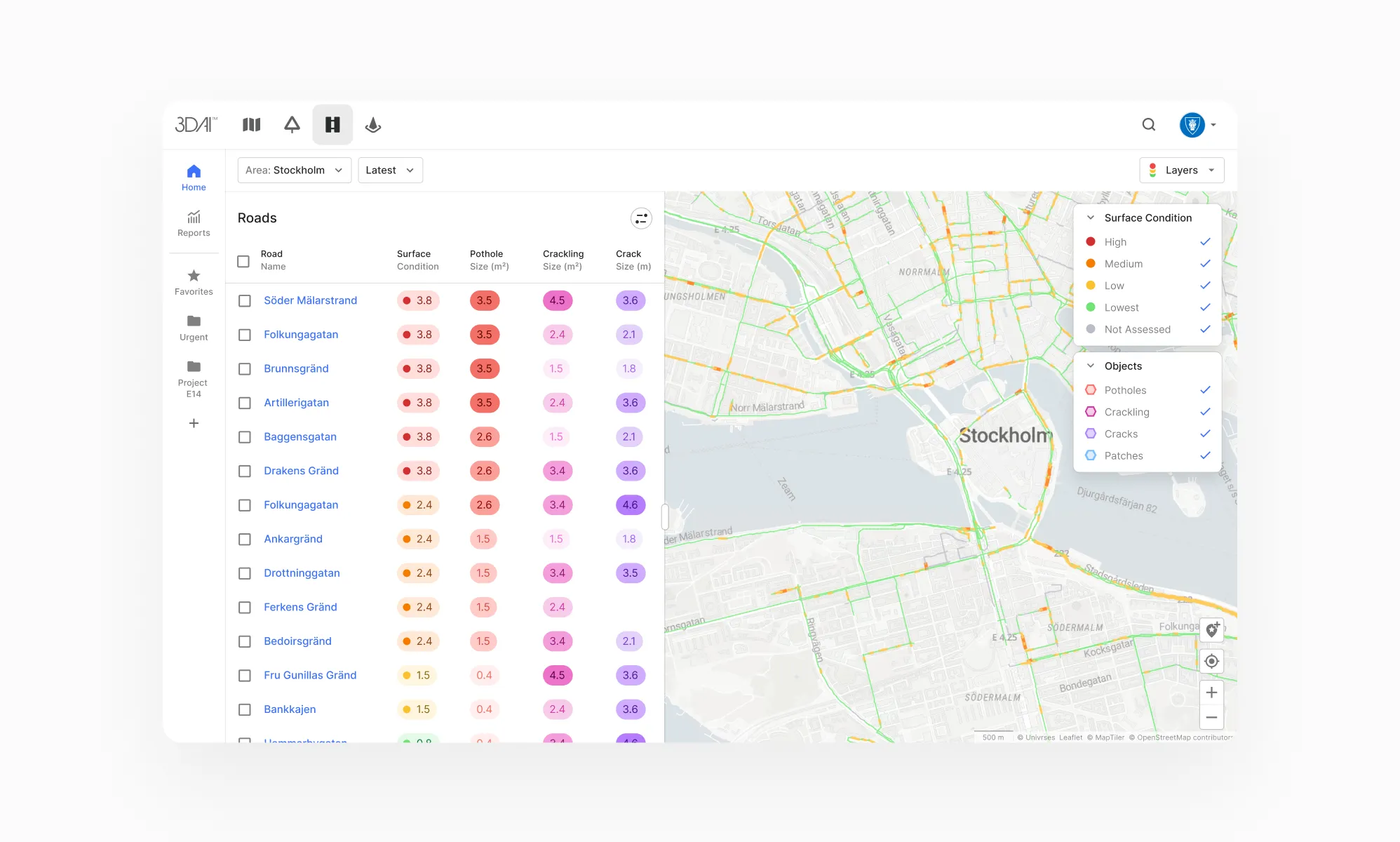
- Univrses' 3DAI™ technology leverages contractor fleets by retrofitting sensors and is the only solution that uses computer vision and AI to deliver detailed analysis of road infrastructure.
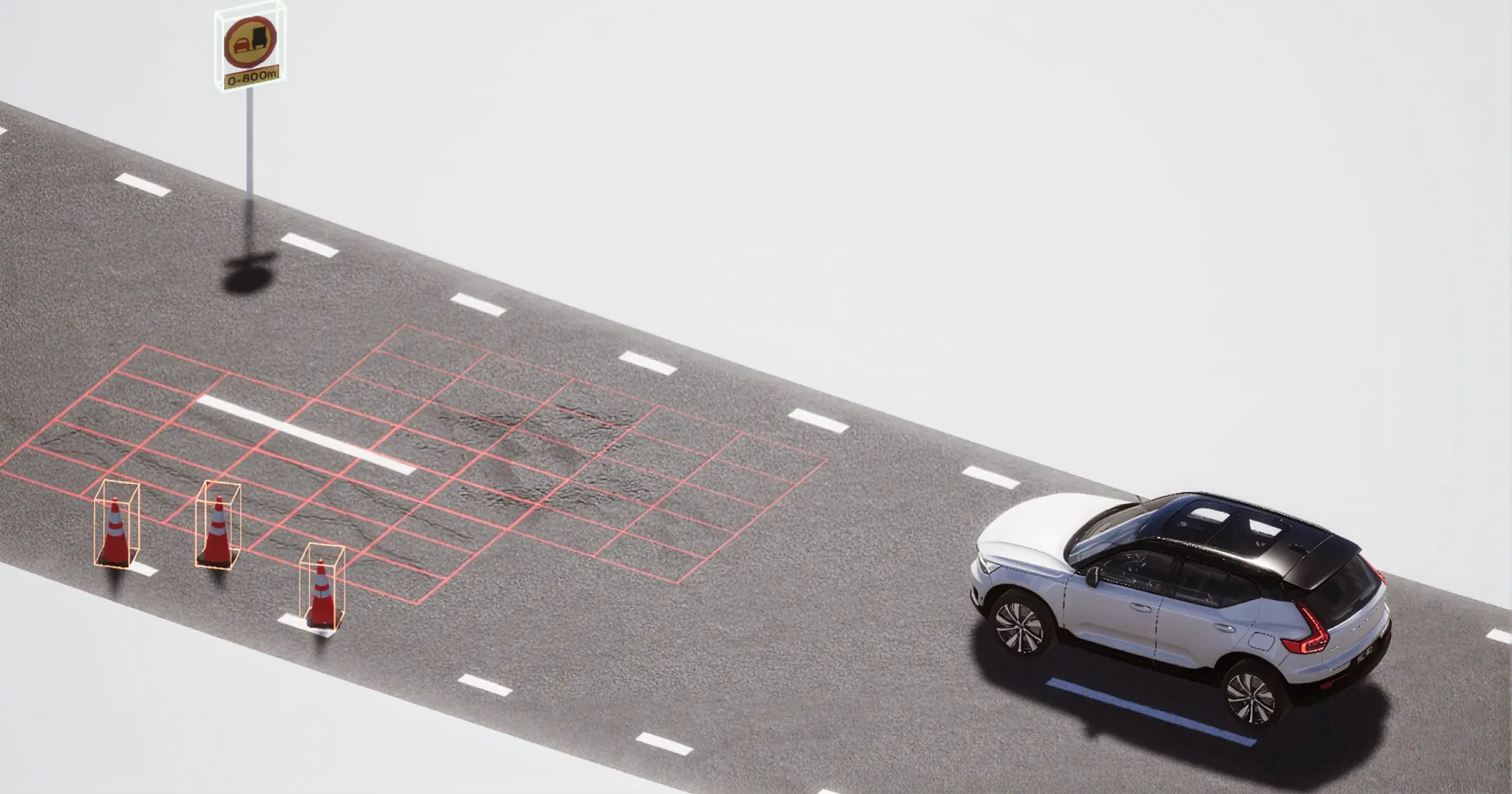
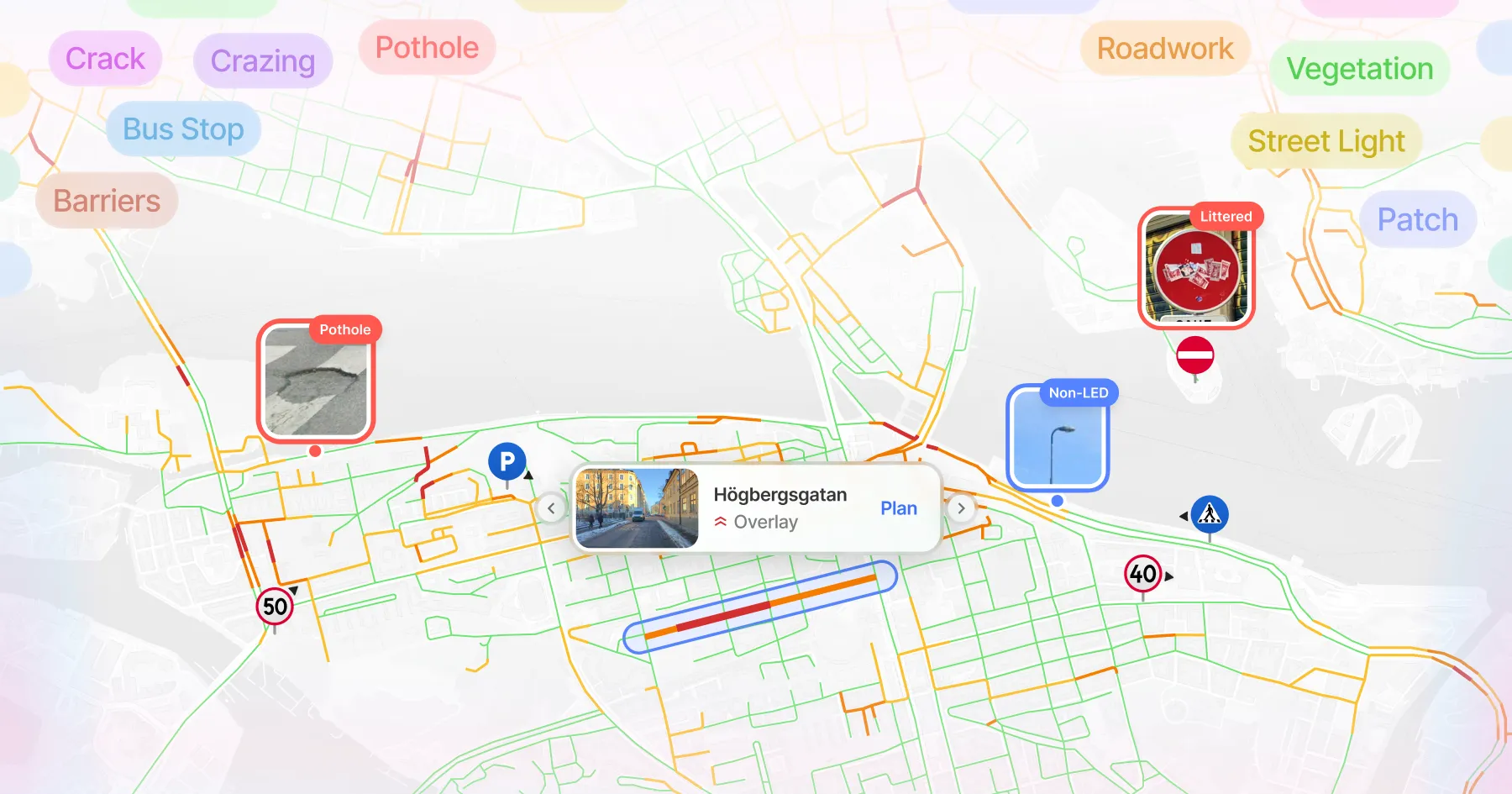
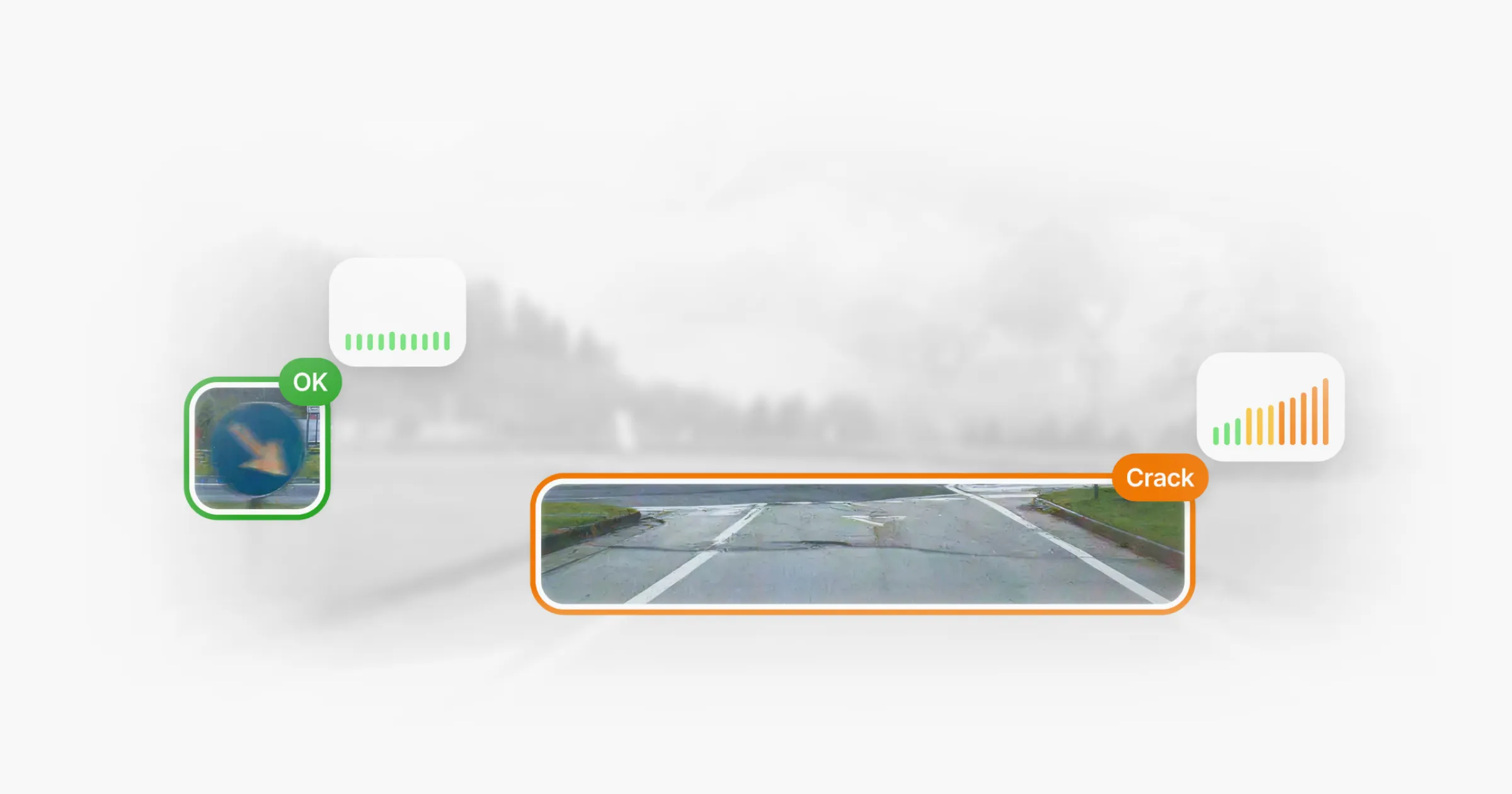
By leveraging advanced video analysis and deep learning, 3DAI™ identifies and classifies physical infrastructure damages, including potholes, cracks and damaged road signs as well as other road information such as worn-out lane markings and faulty streetlights. This method provides Trafikverket with accurate, frequently updated real-world data, enabling a more cost-effective response and safer roads.
A landmark project setting a european standard
Trafikverketʼs AI-driven strategy has positioned Sweden at the forefront of modern road maintenance. Governments and infrastructure agencies across Europe are closely following the project to understand how data-driven methods can enhance efficiency, reduce costs, and improve sustainability. Trafikverketʼs approach is now shaping best practices for integrating AI-driven infrastructure management at a national level.
By pioneering AI-powered road condition monitoring, Sweden is demonstrating how multi-source data—including computer vision from contractor fleets and sensor analytics from production cars—can revolutionise road maintenance. This initiative has the potential to reshape road policies across Europe, reinforcing Swedenʼs leadership in sustainable, data-driven infrastructure management.
About Univrses
Univrses is a leading computer vision and AI company specialising in software that provides autonomous systems with advanced perception capabilities. The company has collaborated with major automotive manufacturers to develop software components that are now deployed in production vehicles, including flagship models such as the Polestar 3 and Volvo EX90.
Leveraging its strong foothold in the automotive sector, Univrses has expanded into the trillion-dollar asset management market by harnessing data from regular passenger vehicles. Through its proprietary algorithms, the company transforms raw sensor data into actionable insights that are critical for efficient asset management.
This data enables a detailed, real-time understanding of road infrastructure, including road conditions, traffic signs, lane markings, and street lighting. The AI system can also be used to monitor and analyse ongoing projects, such as roadworks and construction sites. By leveraging these insights, cities and road authorities can make better decisions, allocate resources more efficiently, reduce CO₂ emissions, lower costs, and improve road safety.
With a well-established market presence, Univrses helps cities, road transport authorities, and contractors achieve significant annual cost savings—potentially hundreds of millions of euros per country. The companyʼs proprietary 3DAI™ solution has already been deployed by national road network authorities in six European countries, including Sweden, Denmark, Norway, the Netherlands, the UK, and Italy.
A new era for road maintenance
Take action on road data with 3DAI™
Continue reading







Deployed in 15+ countries together with national road authorities & organisations.