Tauragė, Lithuania became the first city to use 3DAI™ for bus stop monitoring

Univrses has applied its 3DAI™ system to bus stops for the first time. In partnership with the City of Tauragė, Lithuania, and supported by EIT Urban Mobility’s RAPTOR programme, the project introduces automated monitoring to streamline inspections, reduce workloads, and improve passenger safety.
The Challenge
Tauragė is a small city of around 20,000 people in western Lithuania. The municipality has invested in an electric bus fleet and is part of the EU’s Cities Mission, which brings together 100 European cities committed to reaching climate neutrality by 2030.The city operates a bus network with more than 250 bus stops, ranging from simple poles on the curb to older brick shelters and newer glass-and-metal designs. While most are in fair condition, smaller problems — from twisted signs to missing timetables — can easily go unnoticed. To spot them, Tauragė relied on passenger reports and staff going out to check each stop, taking time away from other tasks. Across hundreds of stops, even minor issues become difficult to track and plan for, and response times suffer as a result.
For passengers, the impact of poor bus stop conditions is immediate. Missing signs, broken timetables, or damaged shelters reduce accessibility — especially for elderly people and those with disabilities. These issues erode confidence in the system. When stops feel neglected, people are less likely to choose public transport, and ridership eventually declines. Over time, this weakens the city’s wider goals of sustainable, reliable, and inclusive mobility.
“With limited resources, we couldn’t be everywhere at once. To keep standards high, we needed smarter ways to support our maintenance teams — and ultimately improve conditions for passengers.”
— Simas Gaidelionis, Development, Investment and Asset Management dep. Specialist, Tauragė
The Solution: AI-powered monitoring
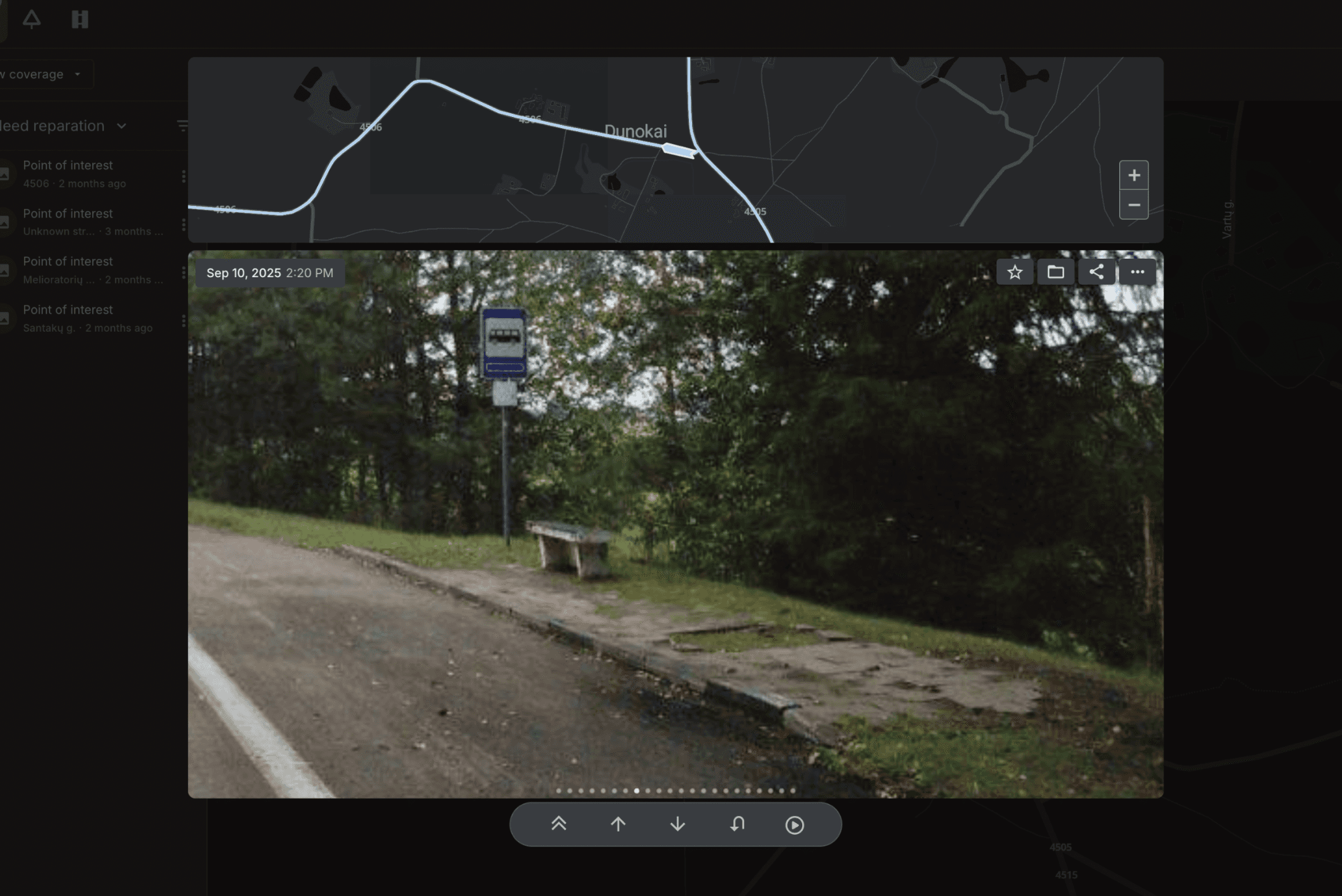
The collaboration between Univrses and Tauragė began through EIT Urban Mobility’s RAPTOR programme, where the city defined its challenges. Univrses initiated a pilot deployment of 3DAI™, an AI-powered system already in use across Europe to monitor roads and other infrastructure assets. In Tauragė, it was applied for the first time to bus stop monitoring.
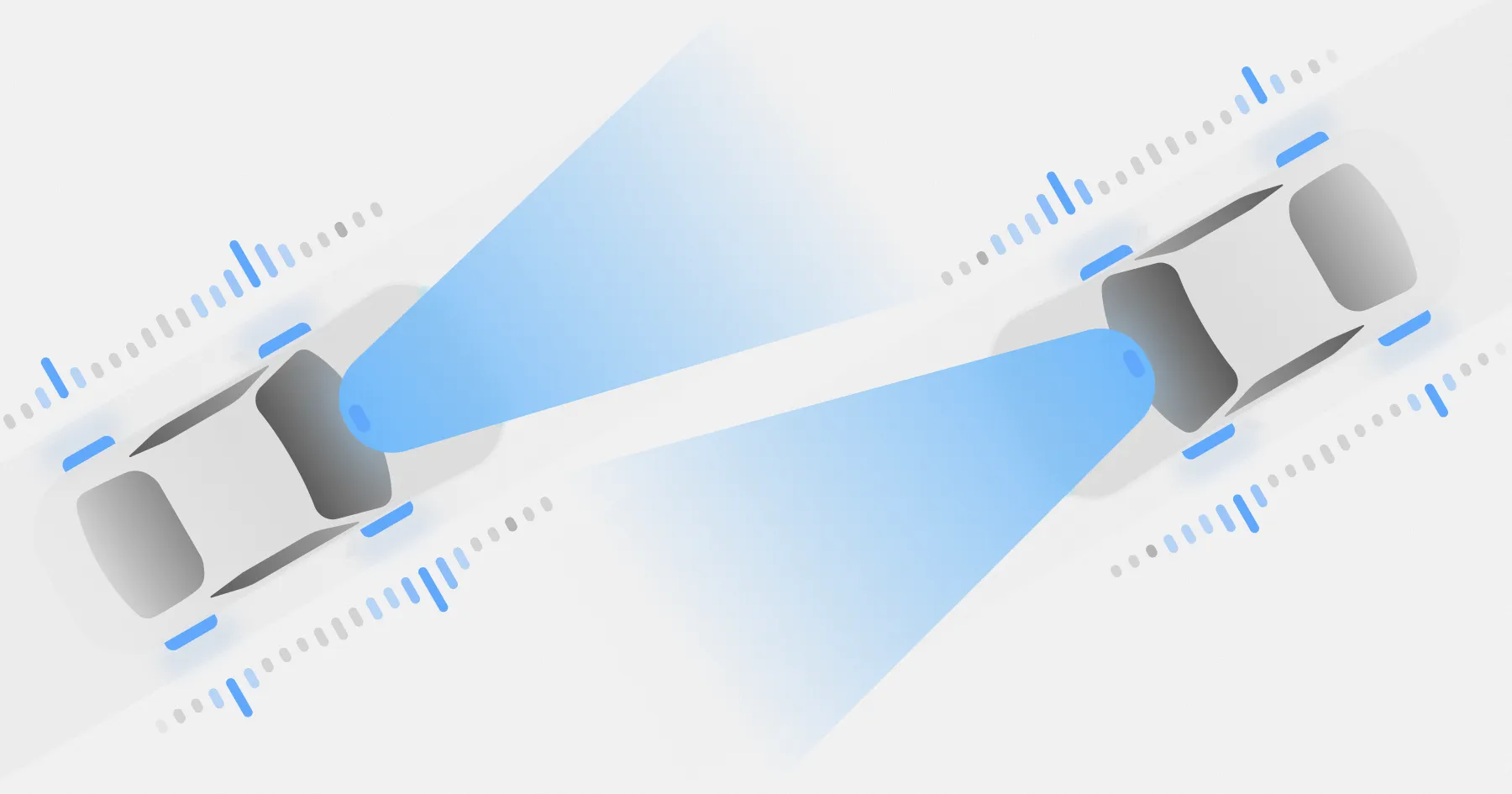
The deployment began in July 2025 with devices installed on two city buses and the dashboard introduced to the operations team. Around ten staff members were trained to use the system, ensuring they could interpret the outputs and integrate them into daily routines.
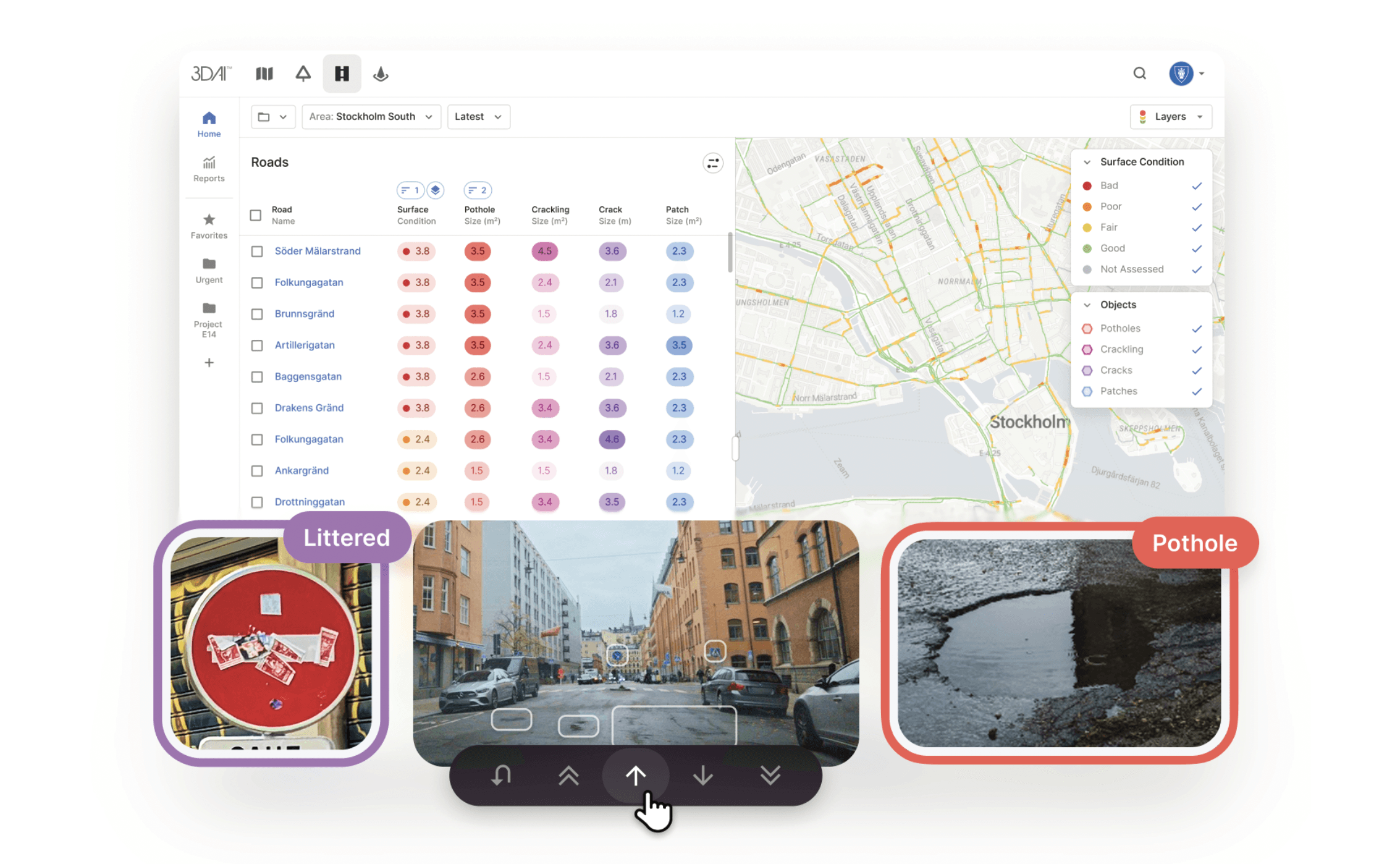
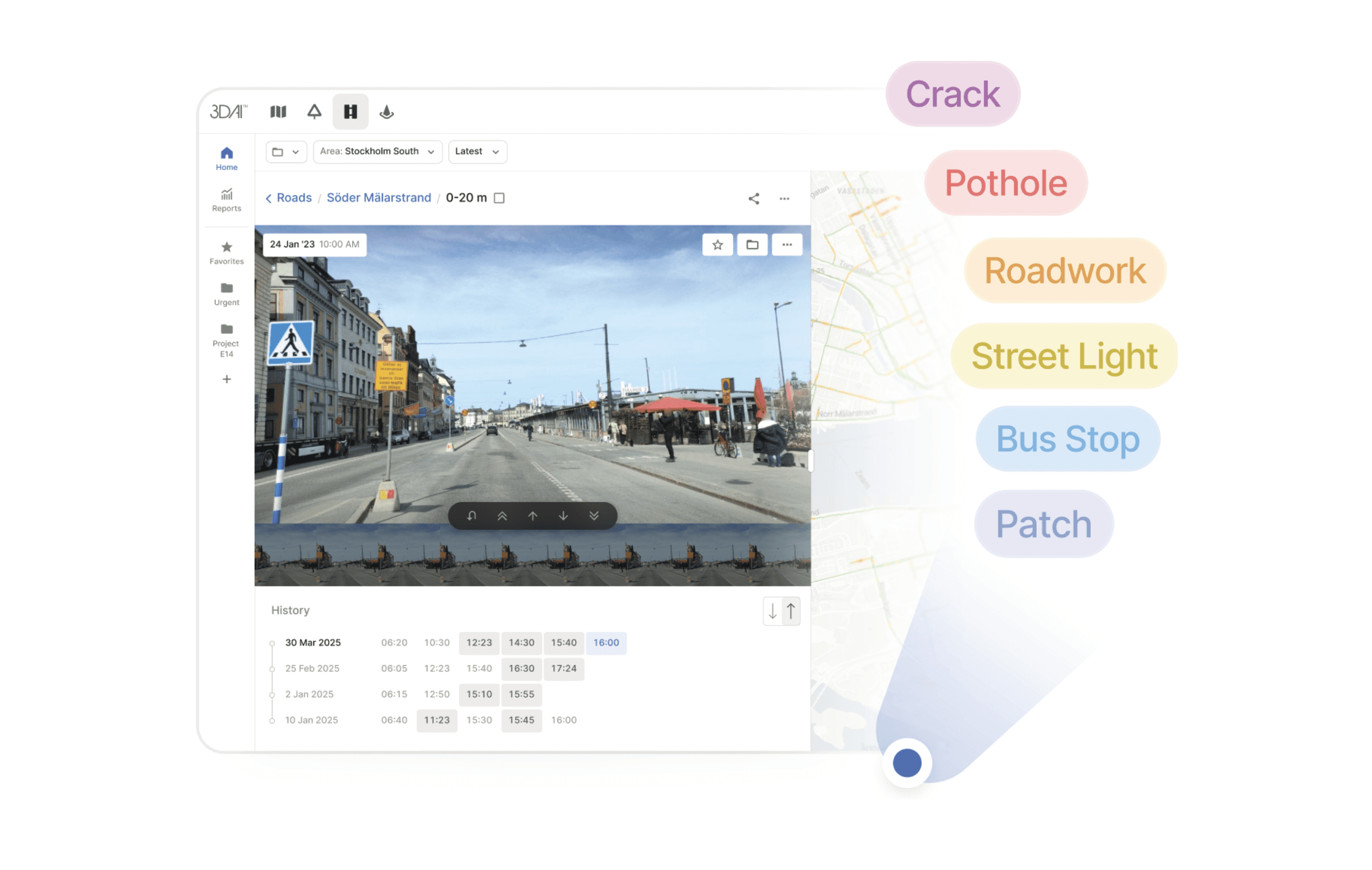
As these buses ran their regular routes, the system captured imagery of stops across the city. Once captured, the key features — such as signs, timetables, shelters, and benches — could be classified and potential issues flagged. The insights were delivered through a web-based dashboard, giving maintenance staff the information they needed to act more quickly — without carrying out routine manual inspections.
Within the first week, more than 1,000 km of data had been collected and compared against the city’s existing bus stop records. Review sessions were then held every two weeks with Univrses and city staff to evaluate detections, refine accuracy, and align outputs with local maintenance priorities.
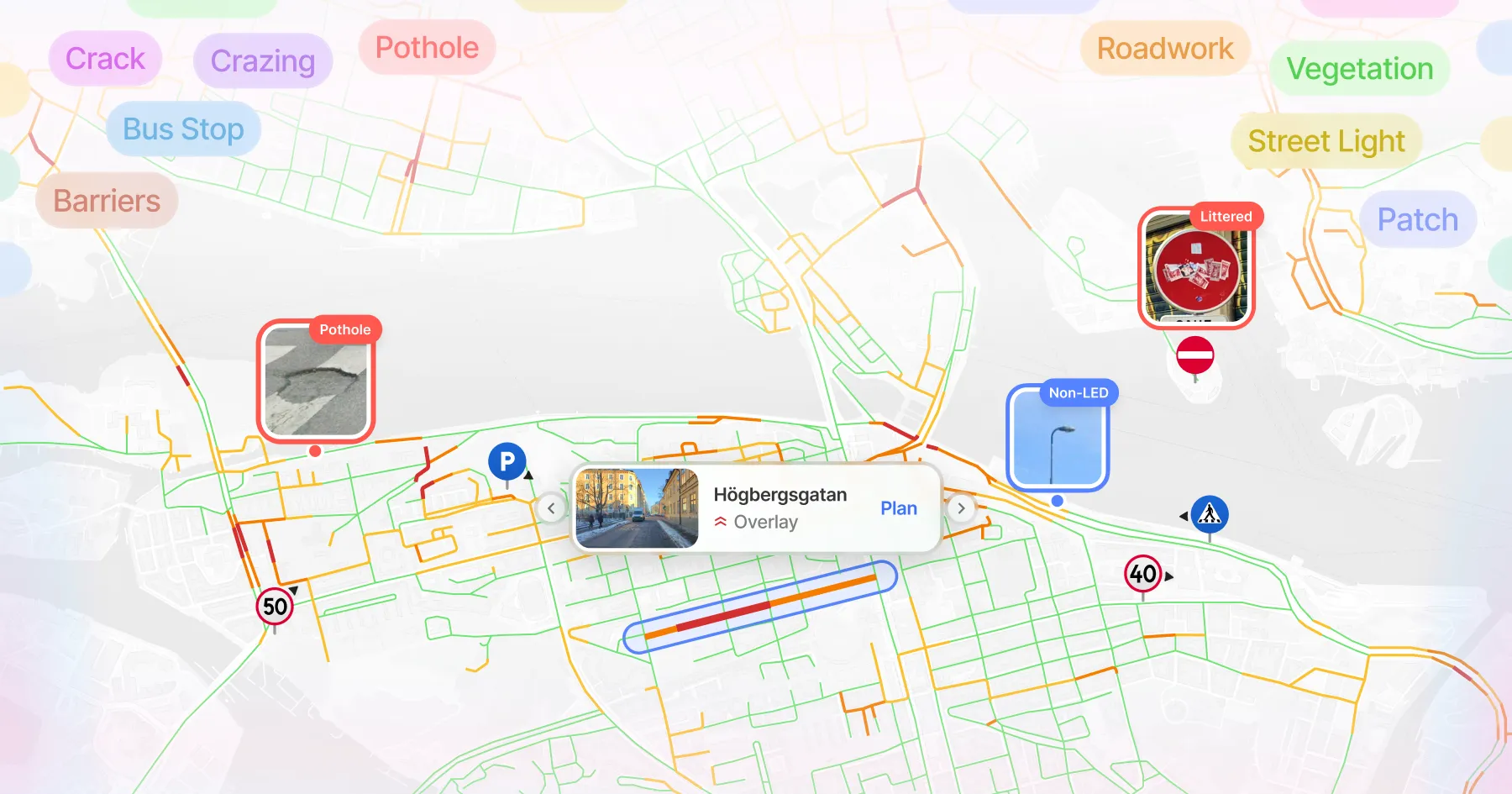
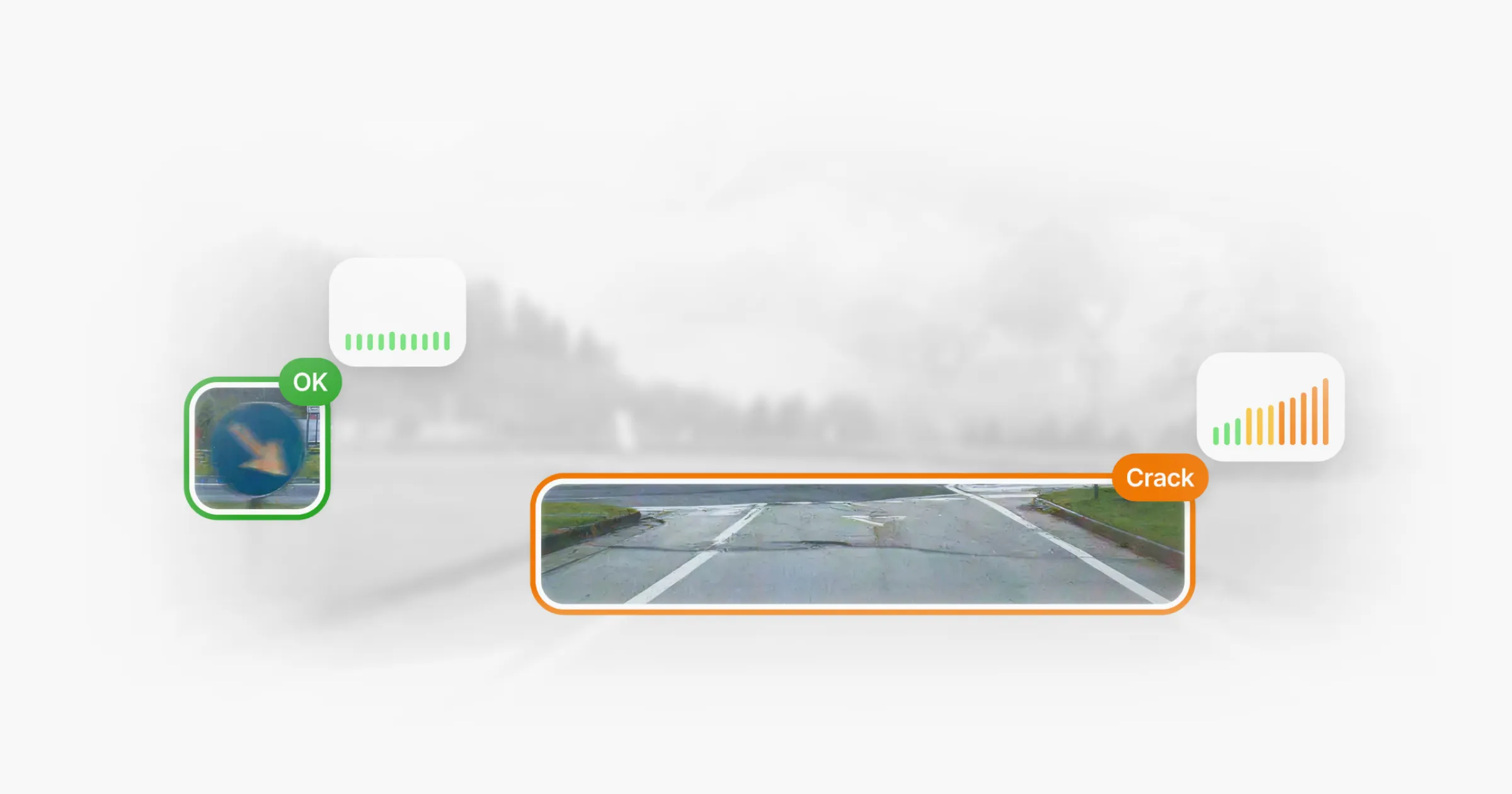
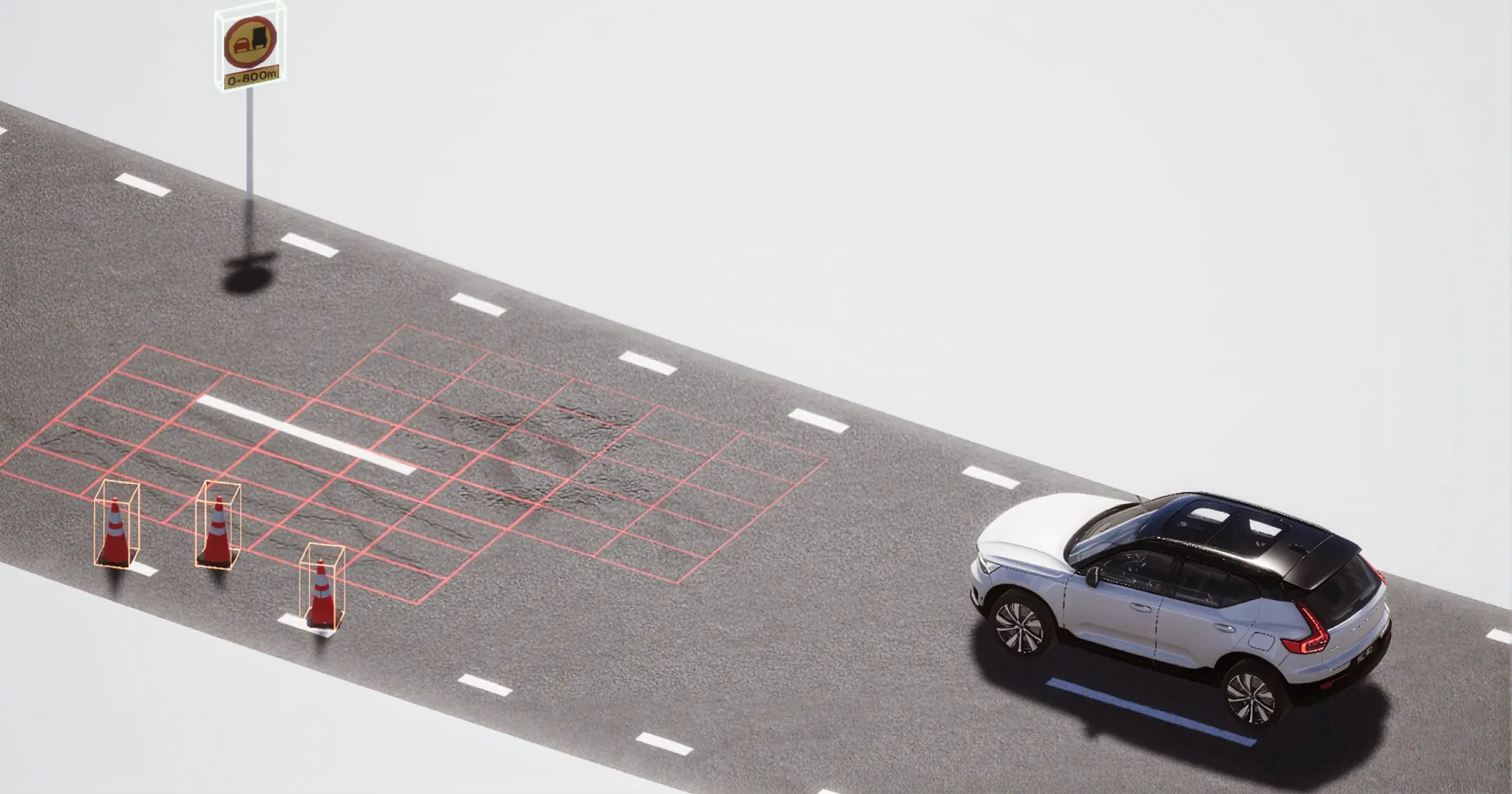
The deployment also brings value beyond bus stops. By analysing camera imagery through different 3DAI™ modules, the system was able to register road surface condition, the state and position of road signs, and even environmental factors such as snow accumulation. All insights feed into the same dashboard and API, giving Tauragė access to multiple data streams from a single setup — and a broader view of its transport infrastructure.
Projected Impact
The project has already shown that data can be collected seamlessly during daily bus operations. It has also given the municipality digital tools that not only track the condition of bus stops but also open the door to wider infrastructure insights. In doing so, the project lays the foundation for a more systematic approach to maintenance.
By the end of the project in November 2025, Tauragė aims to achieve a 30% reduction in manual inspections and a 25% improvement in repair response times — and is already well on the way to achieving these targets.
Looking further ahead, Univrses outlined the potential benefits of scaling the system across Tauragė’s entire bus fleet, enabling ongoing coverage of all bus stops.
The projections included:
- 5–10% increase in ridership, generating an estimated €250,000–400,000 in additional fare revenue annually.
- Up to 90% reduction in inspection costs in the long term, freeing resources for other priorities.
- 50% faster repairs compared to current practice.
- 1,300–2,200 metric tons of CO₂ reductions per year in a city of this size, driven by greater public transport use and fewer private car journeys.
- 15–20% increase in public transport use among passengers with disabilities, thanks to improved accessibility of stops.
Whilst these projections remain to be validated in practice, early indications suggest that results are in line with what was predicted. Together, they illustrate the scale of benefits that AI-driven monitoring could deliver if deployed at city scale and over longer timeframes.
Next Steps
The 3DAI™ system is already in use across multiple European countries to monitor road conditions, streetlights, traffic signs and more. The Tauragė project extends this capability to bus stops, showing how the same AI backbone can support a wider range of public transport assets.
The next logical step for this deployment is Vilnius, where bus stops face higher levels of vandalism and wear. This environment allows for broader testing of damage detection for shelters, signs, and timetables — expanding the system’s value while building on the lessons from Tauragė. Future applications include detecting broken glass, graffiti, and full trash bins. These issues are more common in larger cities and represent an important part of keeping public transport environments safe and welcoming.
In the medium term, and beyond Lithuania, this bus stop capability can easily be scaled to municipalities of all sizes. By creating a continuously refreshed intelligence layer for infrastructure, authorities can replace fragmented surveys and manual checks with data-driven insight. This makes it possible to plan maintenance more efficiently, improve accessibility, and support climate goals.
This marks one of the first times that a computer vision-based system has been used for bus stop monitoring. It positions Tauragė as an early adopter of digital infrastructure management in public transport, and demonstrates how smaller municipalities can set an example for larger cities and national authorities to follow.
”The Tauragė project is a great example of how flexible the 3DAI™ system is. We went from never analysing bus stops to supporting a city’s maintenance work in just a few weeks. It shows how this technology can scale across asset types, and how quickly it can start delivering real value.”
— Jonathan Selbie, CEO of Univrses
About Univrses
Univrses is a computer vision and AI company working at the intersection of automotive and infrastructure. The company has developed perception software for leading car manufacturers, with components now deployed in production vehicles such as the Polestar 3 and Volvo EX90. Building on this expertise, Univrses has expanded into asset management with its proprietary 3DAI™ technology, which transforms video data from ordinary vehicles into actionable insights on roads and other infrastructure. Today, 3DAI™ is used by national road authorities and municipalities in multiple European countries to improve safety, cut costs, and support sustainability goals.

Understand your city's infrastructure
Want to explore how AI can transform infrastructure monitoring in your city?
Continue reading





Deployed in 15+ countries together with national road authorities & organisations.