Endless backlog: Why road maintenance falls behind — and how AI can turn it around

Europeʼs roads are wearing out faster than they can be repaired. Potholes and cracks multiply quicker than crews can fill them, and every year the backlog seems to get bigger. What might look like a local inconvenience is in fact a systemic issue — one that increases road accident risk, accelerates emissions, and drains billions from the public purse.
The consequences are serious, yet the way most road networks are maintained has barely changed. Damage is left to escalate until emergency fixes are unavoidable — a pattern that keeps risks high and costs rising. In this article, we explore how poor road quality impacts safety, the environment, and the economy. We explain why outdated approaches keep authorities stuck in reactive cycles — and how continuous, AI-powered monitoring can enable a shift to proactive, preventative asset management.

The impacts of poor road quality
The scale of the maintenance backlog is best understood through its consequences. Deteriorating roads affect the safety of those who use them, the emissions vehicles produce, and the costs that spread from drivers' wallets to national budgets. These are the dimensions where poor road quality leaves its mark — and why breaking the cycle matters.
Safety Impact
When road accidents are reported, attention often goes to driver behaviour, weather, or the vehicle's condition. But the state of the road itself is a critical, yet often overlooked, factor.
According to the European Commission, an estimated 19,800 people were killed on EU roads in 2024. This is a 3% decline from the year before. Progress — certainly — but it still leaves Europe a far cry from its 2030 safety targets. In Great Britain, government figures show that 1,633 people died in road accidents — a 1% increase — and a further 27,900 were seriously injured.
The connection between poor road conditions and crash risk is well established. A 2025 analysis by the National Bureau of Economic Research found that a one-standard-deviation increase in pavement roughness is linked to roughly a 3–4% increase in accident rates. Crashes have many causes — from driver behaviour to weather and vehicle design — but the role of infrastructure is often overlooked. Yet despite this evidence, it remains absent from many safety strategies — a gap that leaves a major cause of accidents unaddressed.

Environmental Impact
Poor road quality harms the environment in two distinct ways.
First, it makes vehicles consume more fuel. When a surface deteriorates, rolling resistance goes up — especially for heavier vehicles — and engines need more energy to maintain the same speed. Research from MIT shows that rough urban roads can raise fuel consumption by up to 15%, with emissions rising in direct proportion. Road quality is therefore not just a comfort issue, but a significant and often overlooked driver of excess CO₂.
Second, poor roads increase non-exhaust emissions (NEEs): the microscopic particles generated by tyres, brakes, and road wear. A 2025 study commissioned by EIT Urban Mobility, Transport for London, and the Greater London Authority found that these particles are now the leading source of traffic-related air pollution in major European cities like London and Milan — carrying microplastics and heavy metals that can enter lungs, soil, and water systems.
Further reading — For more on how rough roads accelerate non-exhaust emissions, read our article: Cracks in the system: How rough roads accelerate particle pollution
Cost Impact
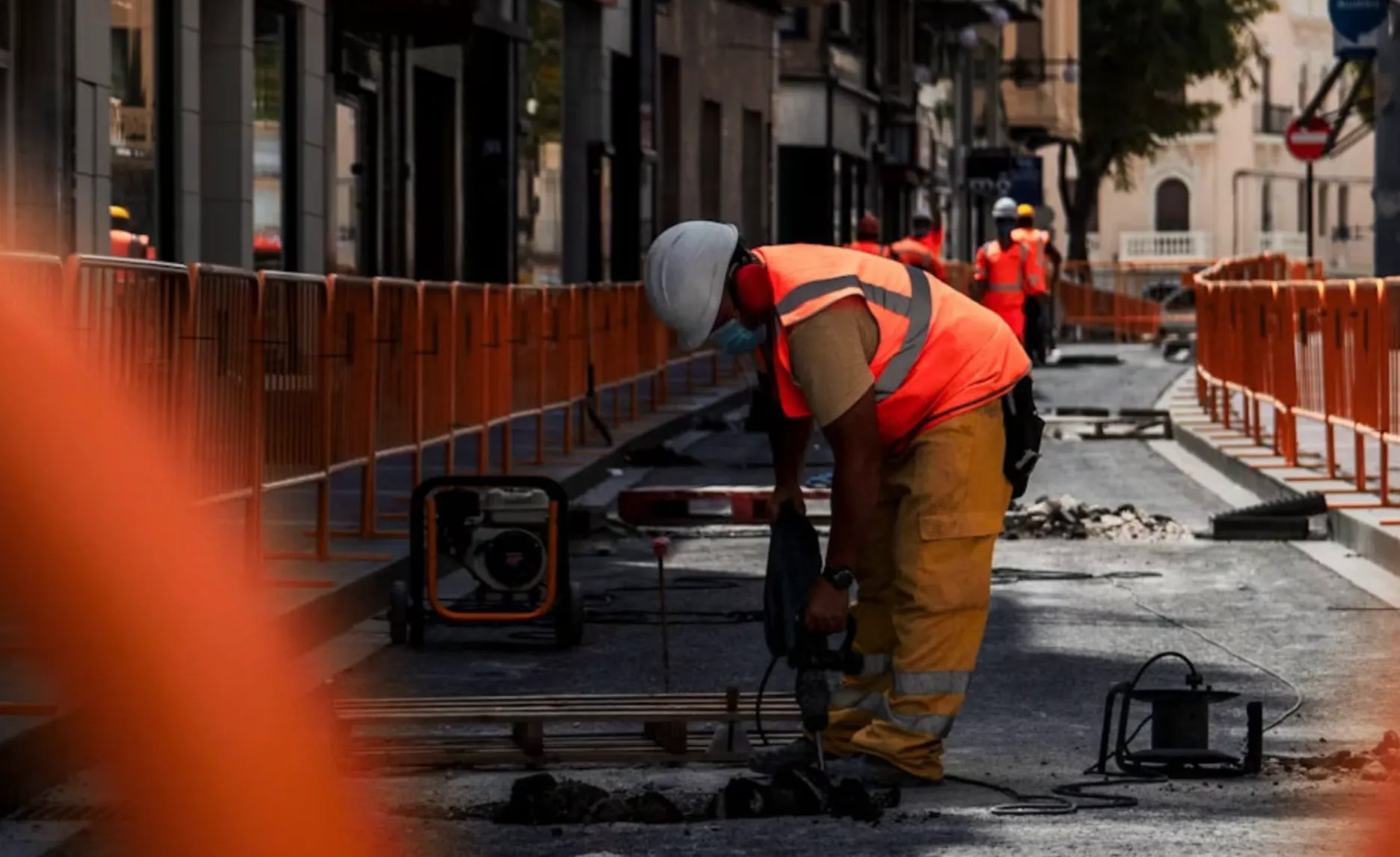
Poor road conditions carry a steep price tag for drivers and governments alike. For motorists, the hit is immediate and personal. The RAC estimates that repairing damage from potholes and other surface defects costs UK drivers an average of £460 per incident, covering everything from burst tyres to bent wheels and broken suspension.
For road authorities, the financial burden is larger and more complex. According to the 2025 ALARM survey, local authorities in England and Wales filled 1.9 million potholes last year at a cost of £137.4 million. The report notes that, despite the fact that a pothole has been filled every 18 seconds over the past decade, overall network condition continues to decline. The one-time "catch up" cost to restore local roads to target condition is close to £17 billion. And with roads resurfaced on average only once every 93 years (!), the backlog is growing faster than it can be cleared.
The costs ripple further still. Damaged surfaces slow freight deliveries and increase fuel consumption, raising operating costs for businesses. The strain extends to the insurance sector as well. Admiral reports that pothole-related claims have risen by 62% in just two years, driving up costs that ultimately feed into both private premiums and public-sector risk pools. Over time, these hidden costs quietly drain public funds as well as private wallets.
Why the problem persists
If the costs, safety risks, and environmental toll of poor roads are so clear, why does the problem remain?
A big part of the answer lies in how roads are still monitored today. Most authorities rely on infrequent, manual inspections — either by survey vehicles or visual checks on the ground. Between these scheduled assessments, much of the network goes unmonitored. This creates two problems: firstly, defects on less-travelled routes may be missed entirely, leaving hazards on the road and environmental impacts unchecked. Secondly, when damage is only recorded after long gaps between inspections, it usually requires more expensive repairs than if it had been caught earlier.
Budget structures reinforce the cycle. Annual or multi-year plans often prioritise "worst-first" repairs — patching the most visibly deteriorated sections — while roads that look fine are left to quietly degrade until they also demand emergency work.
Political pressures add another layer. Potholes and surface defects are highly visible to the public, and quick fixes are an easy way to show responsiveness. But these short-term wins rarely solve the underlying deterioration, meaning the same problems reappear — sometimes within months.
The result is a system that is reactive by design: incomplete data, higher costs, and hazards that stay on the road longer than necessary.

A smarter way forward
While road maintenance has long been dominated by reactive fixes, other asset-heavy industries have already shown that there's a better way. In energy and manufacturing, preventative maintenance is now the standard: issues are identified early, repairs are scheduled at the optimal time, and assets last longer.
Road networks can follow the same path. With continuous monitoring, authorities can track changes in surface condition and other assets across their entire networks and use the data to act before defects become dangerous and more costly, targeting resources where they'll have the greatest impact.
This isn't just a technological upgrade — it's a shift in mindset. By moving away from reactive maintenance, roads can be managed with the same focus on safety, sustainability, and long-term value that other modern industries now take for granted. Decisions and budgets can be grounded in live evidence, funding tied to measurable outcomes, and contractors held accountable for the condition of the roads they maintain.
Proactive maintenance also carries a climate payoff. Smoother surfaces mean lower fuel use and less tyre wear, cutting emissions at scale. That makes road quality not just an engineering concern, but a lever that can strengthen climate strategies alongside cleaner fuels and greener vehicles.
Real-time road intelligence with 3DAI™
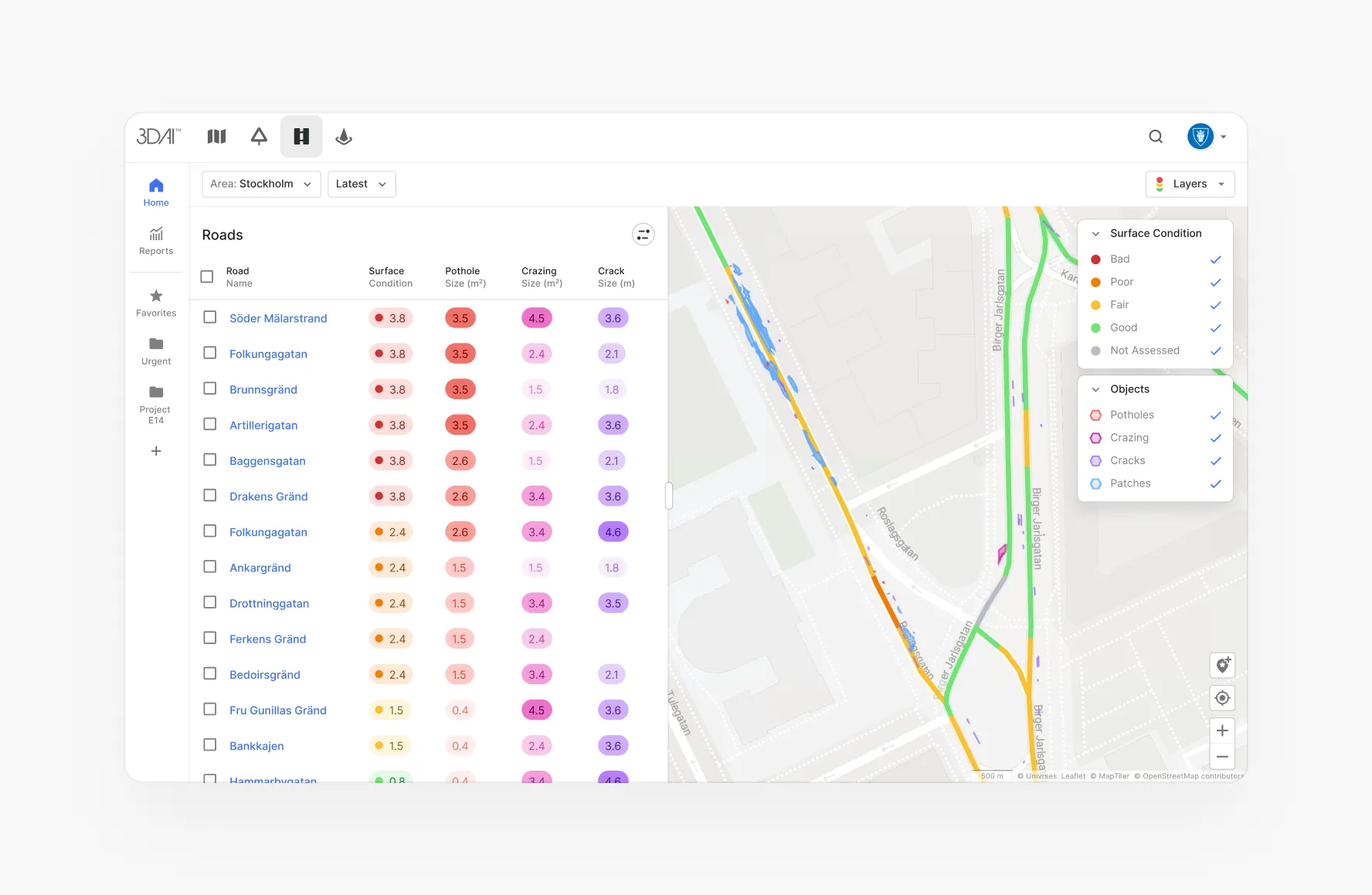
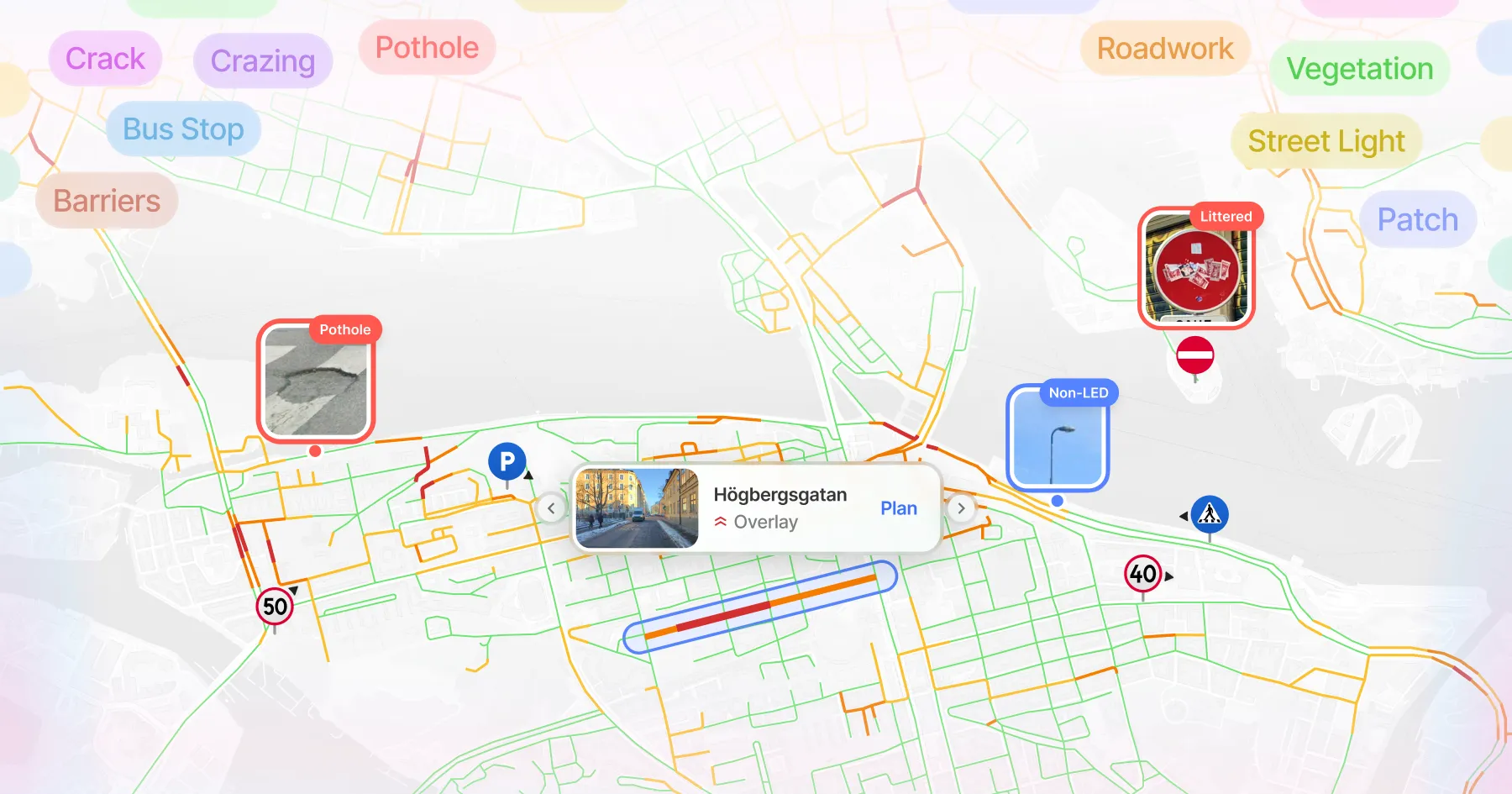
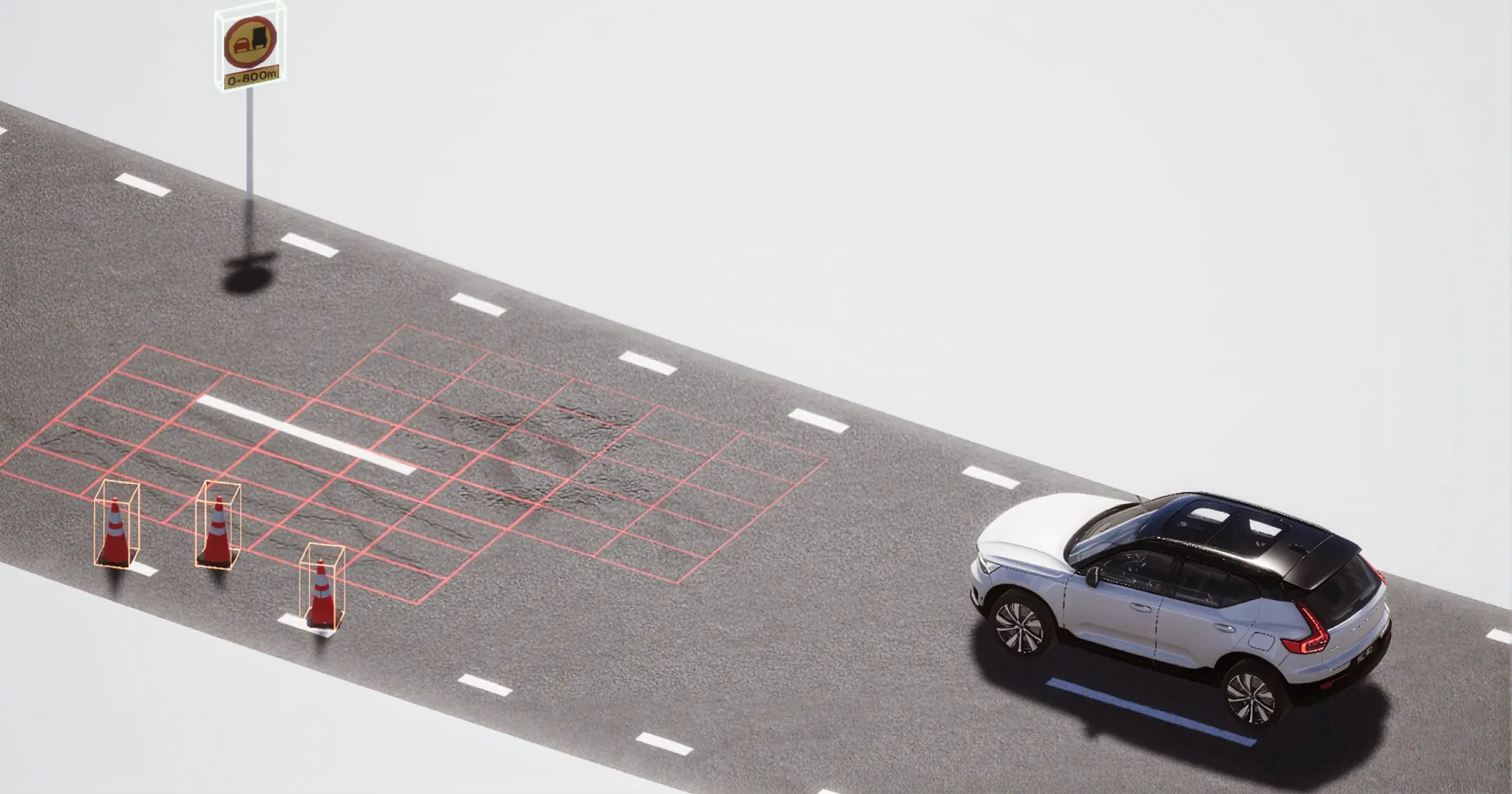
Univrses' AI-powered monitoring system, 3DAI™, provides the continuous visibility that traditional road surveys can't. Mounted on ordinary vehicles, it uses computer vision to scan surfaces in real time — detecting cracks, potholes, and wear as they appear. The results are structured into geo-referenced datasets that give authorities an up-to-date view of their entire network.
With this stream of objective data, transport authorities can:
- Spot risks and deterioration trends early.
- Prioritise repairs based on safety, sustainability, and cost.
- Track how maintenance interventions perform over time.
By shifting from infrequent surveys to continuous, data-driven insight, authorities can move from reactive fixes to proactive asset management — improving safety, reducing costs, and extending the lifespan of road assets.
How 3DAI™ works
- Smartphone-based scanning. Vehicles equipped with 3DAI™ continuously scan road surfaces using smartphone cameras and motion sensors.
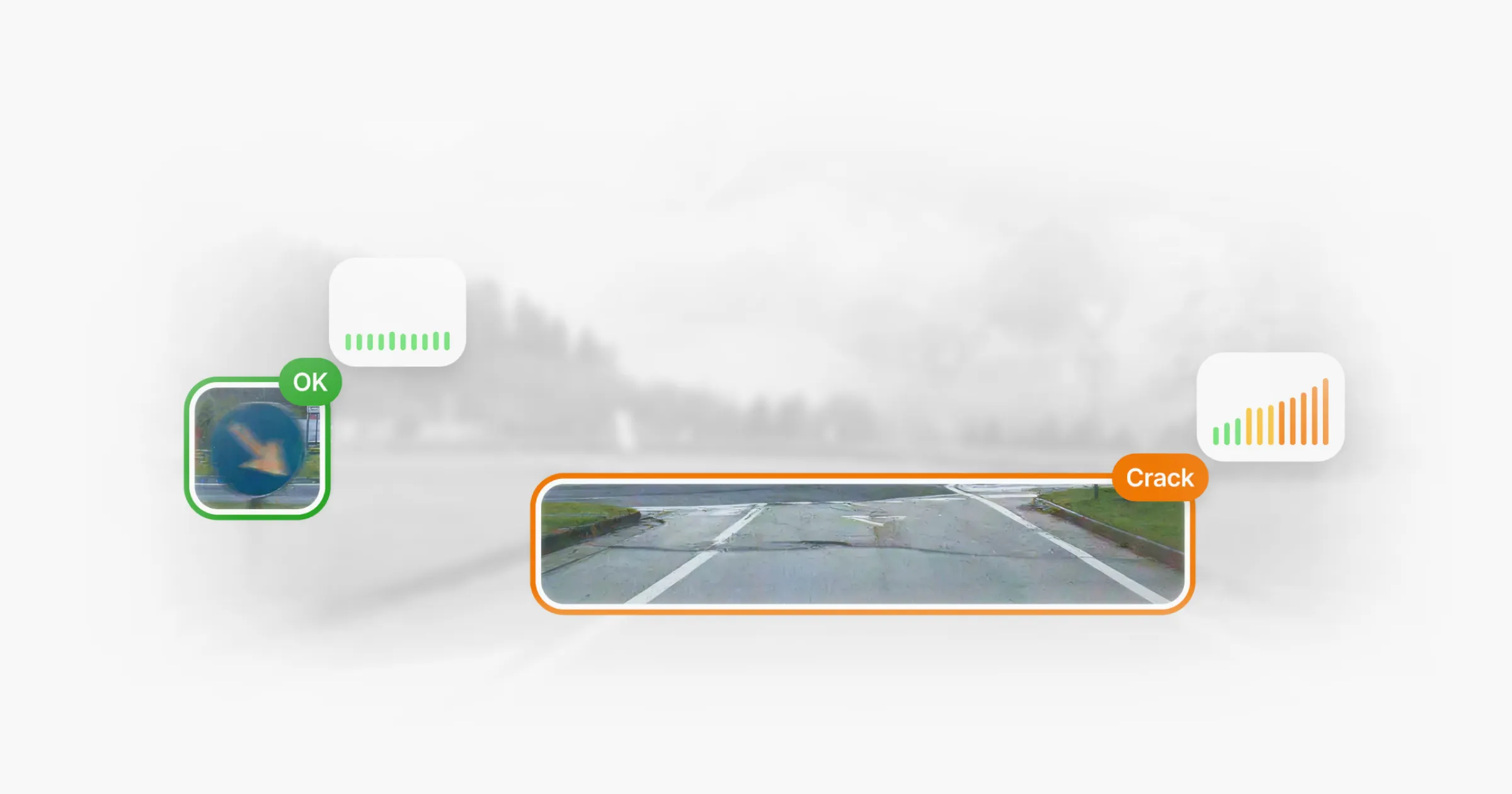
- AI-powered detection. Computer vision algorithms identify cracks, potholes, surface wear and other defects — automatically and in real time.
- Edge processing. Key data is processed on the device, keeping file sizes small and enabling immediate filtering of useful insights.
- Cloud refinement. Detections are uploaded and structured in the cloud, where they're validated and organised for action.
- Geo-positioned mapping. Every issue is mapped to its exact GPS location, enabling precise localisation within road inventories.
- Trend analysis. Over time, 3DAI™ tracks deterioration rates — supporting proactive maintenance and better budgeting.
From reactive fixes to proactive management
The benefits of this shift are already measurable. In 2024 alone, 3DAI™ scanned nearly 950,000 kilometres of roads across six countries and processed more than 94 million images, giving authorities a continuous, network-wide view of their assets.
In Helsingborg, Sweden, the impact has been clear. By moving to data-driven maintenance, the city cut inspection time from 2.5 days per week to about an hour. The municipality estimates it has already avoided at least €17 million in emergency repair costs, with a projected return on investment of 200% over five years and a payback period of less than two.
At the national level, the Swedish Transport Administration (Trafikverket) expects similar efficiency gains. Instead of receiving condition data once a year, high-traffic roads could be monitored weekly or even daily, enabling more targeted interventions. The agency estimates the approach could save up to €14 million annually.
These results demonstrate the value of shifting from occasional snapshots to continuous, system-wide intelligence. Applied at scale, the same approach could help entire countries break out of the reactive trap and move towards a model where every road is monitored and maintained proactively.
Further reading — Read our case study to learn more about how Helsingborg improved its asset management with 3DAI™: Helsingborg Case Study
The hidden costs — and hidden gains
The true cost of poor roads is far greater than the repair bill. Every pothole left unaddressed wastes fuel, accelerates tyre and vehicle wear, and increases the risk of accidents. Insurance claims rise, premiums follow, and governments spend more public money responding to preventable damage. What looks like a local inconvenience compounds into a broad drag on economies, adding pressure to household budgets, logistics networks, and public finances.
The reverse is also true. Smarter, preventative maintenance doesn't just save road authorities money — it reduces fuel use, cuts non-exhaust particle pollution, lowers accident risk, and eases the load on everything from insurance systems to healthcare costs. With tools like 3DAI™, authorities can tip the balance: by catching problems earlier and allocating resources more effectively, they can turn hidden losses into lasting gains. The benefits multiply across sectors, just as the losses once did — for drivers, for businesses, and for society at large.
In that sense, the value of these tools goes beyond maintenance. Using them, roads can shift from being a chronic liability to becoming an asset that underpins safety, lower emissions, and long-term prosperity. And because those improvements are visible, they also strengthen public trust. Citizens see not only that defects are fixed, but that networks as a whole are steadily improving — giving them the confidence they need in mobility infrastructure to support their lives, their work, and their future for a long time to come.

About Univrses
Univrses is a leading computer vision and AI company specialising in software that provides autonomous systems with advanced perception capabilities. The company has collaborated with major automotive manufacturers to develop software components that are now deployed in production vehicles, including flagship models such as the Polestar 3 and Volvo EX90.
Leveraging its strong foothold in the automotive sector, Univrses has expanded into the trillion-dollar asset management market by harnessing data from regular passenger vehicles. Through its proprietary algorithms, the company transforms raw sensor data into actionable insights that are critical for efficient asset management.
This data enables a detailed, real-time understanding of road infrastructure, including road conditions, traffic signs, lane markings, and street lighting. The system can also be used to monitor and analyse ongoing projects, such as roadworks and construction sites. By leveraging these insights, cities and road authorities can make better decisions, allocate resources more efficiently, reduce CO₂ emissions, lower costs, and improve road safety.
With a well-established market presence, Univrses helps cities, road transport authorities, and contractors achieve significant annual cost savings — potentially hundreds of millions of euros per country. The company's proprietary 3DAI™ solution has already been deployed by national road network authorities in six European countries, including Sweden, Denmark, Norway, the Netherlands, the UK, and Italy.
A new era for asset management
Take action on road assets with 3DAI™
Continue reading






Deployed in 15+ countries together with national road authorities & organisations.