Stockholm mapped the condition of 70% of its road network in a single month

The City of Stockholm is using a pioneering new approach, based on AI, to transform how its roads are managed. Univrses' road asset management system, 3DAI™, is setting new standards for efficient, sustainable infrastructure management, reflecting the city’s commitment to enhancing urban resilience and quality of life for its residents.
The Challenge
As Stockholm's urban landscape expands, so does the strain on its road maintenance resources. The current approach, which includes emergency actions to keep the road network safe and resurfacing the roads that are in the worst condition, has started to show its limitations. The city allocates approximately 55 MSEK annually for maintenance of the 1500 km road network. Typically, this money allows them to carry out maintenance on approximately 100 km of road, which is only 7% of the network.
However, the network needs a significantly higher investment; the city’s engineers estimate that they need to resurface close to 9% of its network (or 130 km) each year to keep maintenance debt under control. Given the cost of maintaining roads is approximately 550 SEK per square meter, this requirement translates to an annual investment need of 70 MSEK, revealing a substantial funding gap. The current situation highlights the critical need for a road maintenance approach that is both more sustainable and financially viable.
"This partnership leverages the 3DAI™ tech to address Stockholm’s road maintenance needs and anticipate future challenges, enabling proactive tailored responses. It’s the first initiative of its kind in Sweden."
- Jonathan Selbie, CEO at Univrses
Teaming up with Univrses
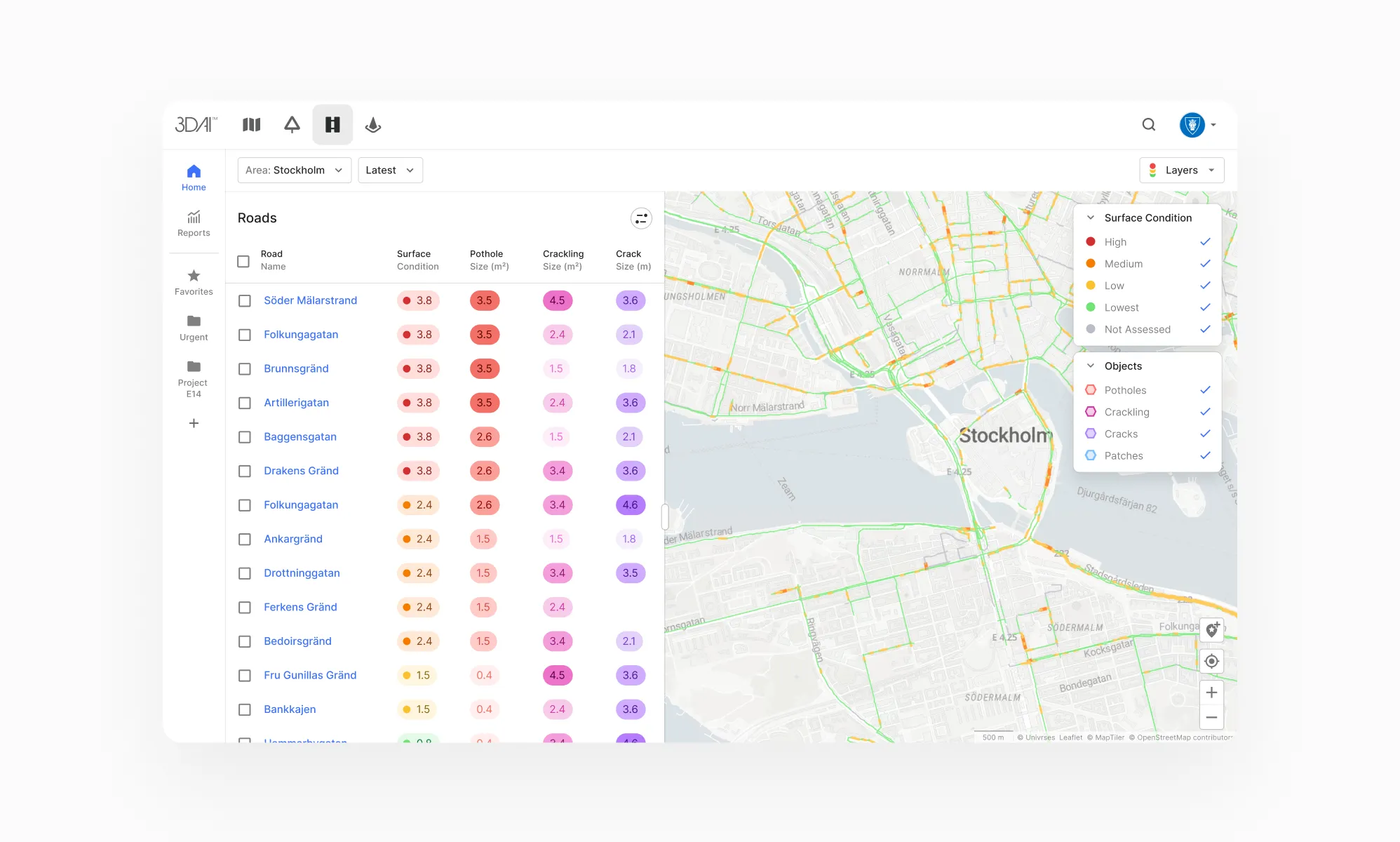
Univrses’ 3DAI™ is an AI-powered system that has the capacity to collect and analyze data on road conditions regularly (many times per day) and efficiently (data, once collected, is available for review in a few hours). The system can generate critical insights for prioritizing maintenance tasks.
The primary objective of this initiative was to enhance the city's infrastructure management across several
key areas:
Enhanced efficiency
Transitioning to AI-enabled, proactive maintenance enables early detection of potential road issues, allowing road managers to anticipate damage before it becomes serious. This approach facilitates early interventions which greatly reduce the likelihood of minor issues escalating into major ones and are significantly cheaper to repair.
Safety
Data from 3DAI™ can be used to identify road conditions that are dangerous; that can cause accidents and damage to vehicles. This enables improved prioritization of repairs based on urgency and impact - and ensures available resources are deployed such as to have the highest impact on road safety.
Durability
Utilizing data from 3DAI™ enables timely repair of issues which prevent long-term degradation. This extends the useful life of the road. Since road replacement is extremely expensive, extending the useful life of road assets can generate large annual savings for cities and road transport authorities.
Operational savings
Adopting 3DAI™ enables a streamlined road maintenance process. By accurately identifying which roads need attention and the type of intervention required, issues can be collected by type, area or response allowing Stockholm to plan their activities more effectively. This reduces costs whilst maintaining high-quality infrastructure.
Environmental responsibility
The data-driven approach enables targeted and timely repairs instead of extensive and frequent interventions. This minimizes the environmental footprint of maintenance activities, such as emissions from machinery and the use of raw materials, thereby supporting Stockholm's commitment to sustainability and reducing the city's overall environmental impact.

The deployment of 3DAI™
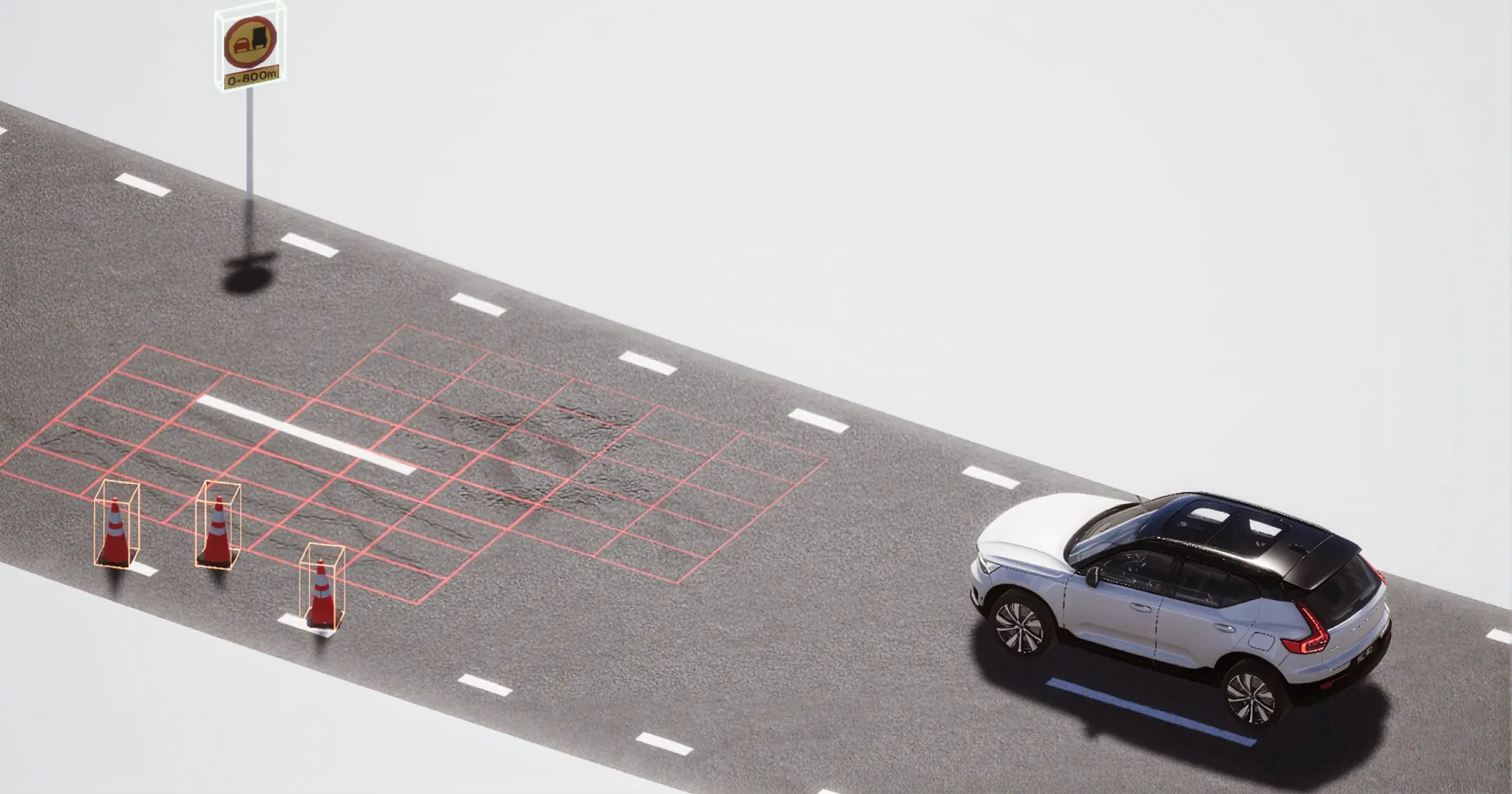
In 2023, 3DAI™ was deployed in two strategically chosen areas of Stockholm: Norrmalm and Skärholmen/Liljeholmen. These locations represent the full range of road types and conditions within Stockholm ensuring the novel approaches adopted, once validated, could be scaled across the city. Cameras equipped with the 3DAI™ software were installed in 20 Taxi Stockholm taxis and 2 municipal vehicles, transforming these vehicles into data “harvesters”. While driving around the city's road network, they collected real-time data on road wear and damage, effectively turning everyday traffic into a dynamic, city-wide network for monitoring road conditions and providing a continuous stream of data from which actionable insights can be derived.
Data collection
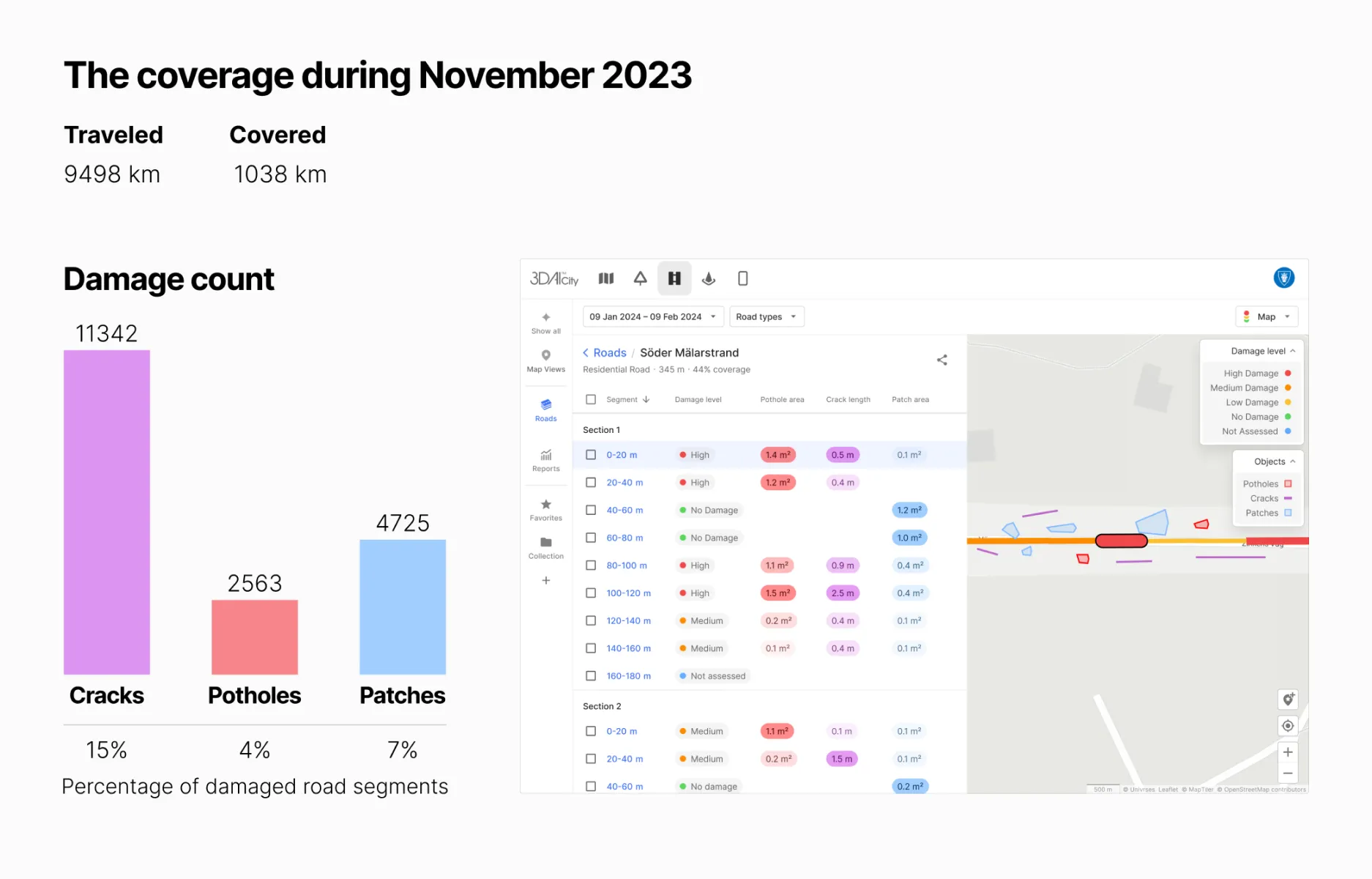
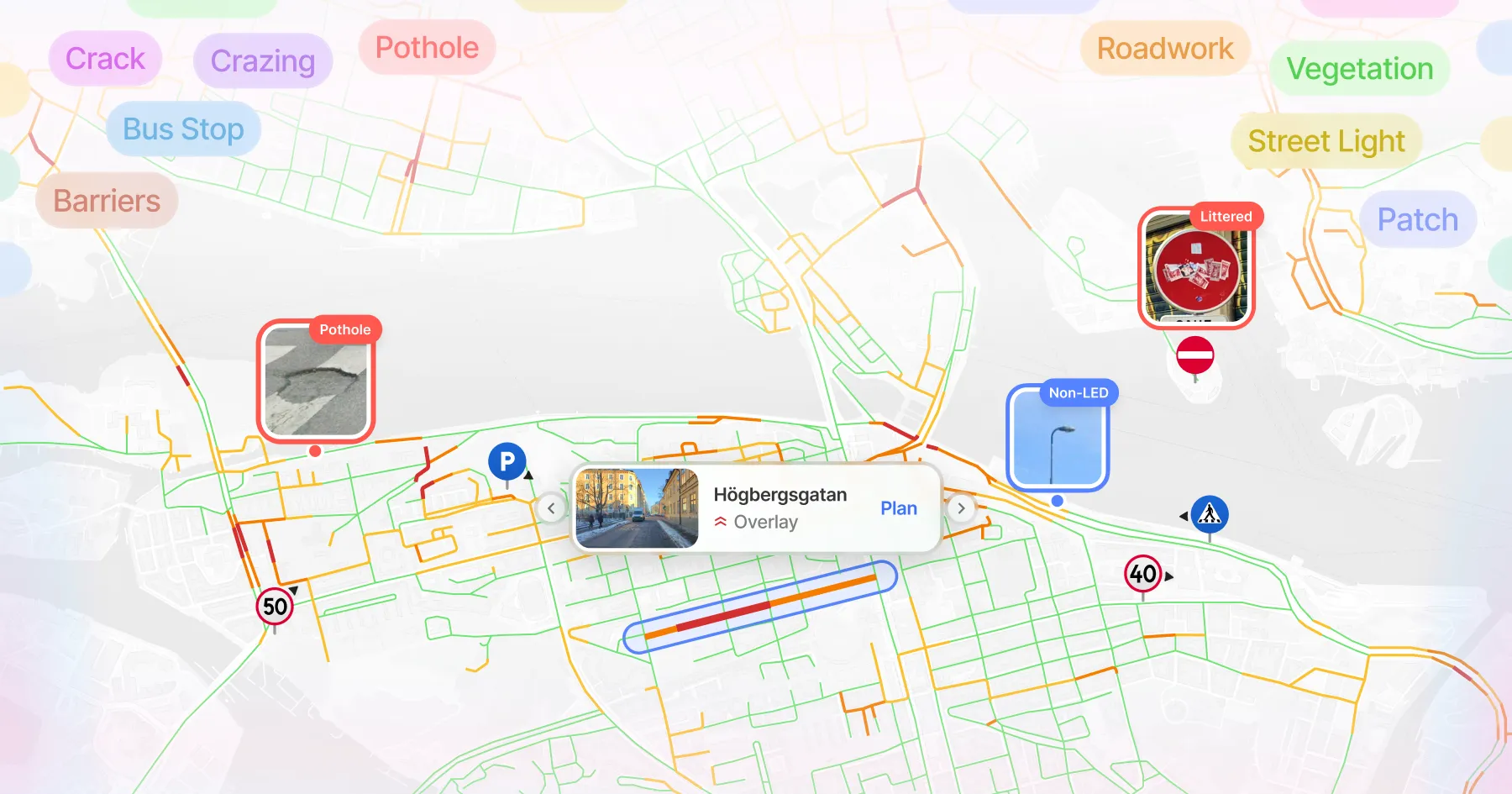
In late 2023, the data-gathering fleet traveled a cumulative distance of 9498 km across Stockholm, actively collecting data on 1038 unique kilometers of road, which represents approximately 70% of Stockholm's road network. Univrses’ team of road maintenance specialists conducted a detailed analysis on the road network in Norrmalm and Liljeholmen, covering an estimated 400 km. This examination allowed the team to identify various road conditions such as cracks, potholes, patches, and iron plates. The findings were categorized based on the frequency of occurrences. The majority of the road segments analyzed showed minimal damage, enabling precise identification of those that did require maintenance.
Impact
Based on this in-depth analysis, Univrses’ team proposed targeted maintenance strategies to Stockholm’s road maintenance decision-makers allowing them to prioritize and time interventions for optimal impact. The 3DAI™ data facilitated a strategic approach to road maintenance, not only pinpointing immediate repair needs but also advising on budgeting and planning for future maintenance activities.
A Road Maintenance Specialist at Univrses, comments:
- Thanks to the visionary approach of the team in Stockholm, we’ve been able to tailor the capabilities of 3DAI™' to meet the city's unique infrastructure challenges. We’ve seen a transformation in how data informs not just immediate safety needs but also strategic long-term maintenance planning. Helping Stockholm fully leverage this new approach to data collection and utilization has been a fantastic experience. I'm eager to share our successes and learnings with others, demonstrating how this tech can make a real difference in cities worldwide.
AI-driven asset management
The insights gathered from 3DAI™ have been key in advancing Stockholm's approach to road maintenance. Equipped with comprehensive data on road conditions that is regularly updated, the city is now able to deploy a range of maintenance methods, from traditional resurfacing to innovative preservation strategies. This marks a shift towards a more proactive, efficient, and sustainable approach to maintaining the urban road network in the Swedish capital.
Proactive resource allocation
Data from 3DAI™ was used to identify roads in urgent need of repair as well as those where preventative maintenance would have maximum impact. The city then adopted a proactive data-driven strategy to resource allocation, deploying targeted maintenance activities based on specific needs. For example, the city was able to prioritize road repairs based on the severity of deterioration and subsequent impact on road safety.
Other 3DAI™ clients have used a similar approach. Typically, clients see a significant reduction in logistical expense - up to 100 kEUR for a city of 100,000 people and a 50% reduction of manual inspection tasks. This allows skilled road engineers to focus their time on more strategic tasks for maximum impact. Moreover, this approach has contributed to a dramatic reduction in potholes in several cities. One Swedish municipality saw a decrease in potholes from 3,000 to 900, in just six months, directly improving road safety and user comfort. These outcomes illustrate the potential for Stockholm to achieve similar efficiency gains, cost savings, and enhancements in road quality.
Road preservation program
The city initiated a comprehensive road preservation program, set to be implemented across Stockholm in 2024, based on 3DAI™ data. This initiative aims to proactively maintain roads that are beginning to show signs of wear, thereby preventing more significant damage down the line. By concentrating early interventions on roads that are still in good condition, especially those that are highly trafficked, the program is designed to be a more effective use of the city’s resources.
The 3DAI™ deployment in Stockholm indicates a potential for a 50% reduction in pothole repair costs over the next few years, showcasing the cost-effectiveness of proactive versus reactive maintenance strategies. Additionally, the road preservation program is projected to double the lifespan of the city’s main roads, effectively halving both maintenance costs and environmental impact. This aligns with Stockholm's sustainability goals, underscoring the significant environmental benefits of adopting sustainable maintenance practices.
Detection and management of cracks and joints
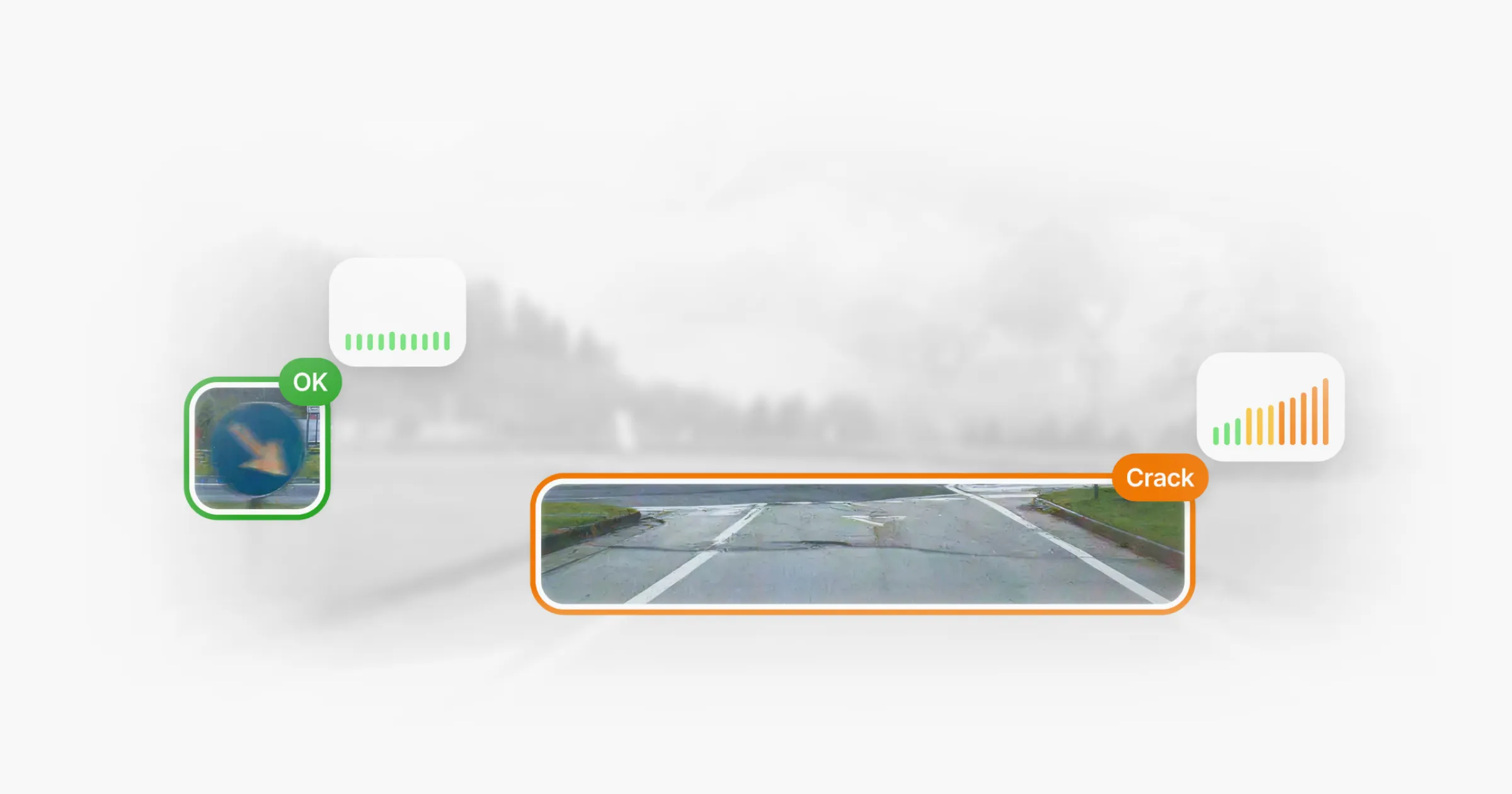
The city was able to take advantage of a key feature of 3DAI™ - the capability to identify cracks and joints in road surfaces. This function allowed road managers in Stockholm to measure the extent of these issues on their road network for the first time. Early detection and management of cracks and joints have the potential to significantly improve a road's longevity, possibly extending its life by up to five years and achieving 30% in maintenance cost savings. Previously, these issues received less focus due to the lack of monitoring methods, compared to more visible problems like potholes. However, with a better understanding and the ability to monitor these conditions, additional funding is being allocated to address these maintenance needs.
Micro surfacing
Micro surfacing is a cost-effective maintenance strategy, especially suitable for suburban roads with lighter traffic. This approach involves applying a thin protective layer to the road surface, which could potentially extend its lifespan by up to ten years. Utilizing insights from the 3DAI™ system, Stockholm has significantly enhanced their ability to identify which roads are most suitable for this treatment. This targeted approach has led to the selection of specific areas for a smaller scale-pilot aimed at evaluating micro surfacing’s effectiveness. Should the pilot prove successful, it is anticipated that broader adoption could allow the city to manage triple the road area for the same cost as traditional resurfacing.
Reflecting on the impact of the 3DAI™ system, a road engineer at The City of Stockholm, shared:
- The implementation of the 3DAI™ technology has been a game-changer in how we approach road maintenance. The system has enabled unprecedented levels of insight into the health of the city’s roads which we can now use to inform our maintenance strategies. From enhancing safety to optimizing our maintenance budget, the insights provided by Univrses’ system have been instrumental in paving the way for more efficient, effective, and sustainable urban infrastructure management.
"The implementation of the 3DAI™ technology has been a game-changer in how we approach road maintenance"
- Road engineer at The City of Stockholm
The Roads Ahead
The deployment of 3DAI™ and its immediate impact on Stockholm’s road maintenance strategies is in line with Stockholm’s long-term vision of harnessing AI's potential for urban infrastructure management.
Looking ahead, Stockholm envisions a future where data-driven decision-making and AI integration become the backbone of not only road maintenance but also other critical urban infrastructure challenges.
3DAI™ has proven that this vision can become a reality by demonstrating the efficacy of such technologies in making cities more resilient, efficient, and sustainable. The next step is to expand into more city use cases including but not limited to:
Urban planning and development
The detailed data gathered by 3DAI™ could inform broader urban planning efforts, supporting the design of more sustainable, efficient, and livable urban environments.
Sustainability initiatives
Stockholm may explore the use of AI to monitor and manage the environmental impact of infrastructure projects more effectively, supporting the city’s ambitious sustainability goals.
Enhanced public services
Insights from the 3DAI™ system could improve the planning and delivery of public services of various types, from facilitating safer bike lanes and optimizing waste collection routes to enhancing parking usage and reducing emergency service response times.
A new era in urban management
The partnership between The City of Stockholm and Univrses has showcased the transformative power of artificial intelligence, demonstrating how strategic integration of AI technologies like 3DAI™ can lead to more sustainable and efficient urban environments. Beyond the immediate improvements in road maintenance and management, this initiative represents a forward-thinking approach to urban planning. It highlights the critical role of data-driven decision-making in managing the complexities of modern cities. By harnessing the capabilities of artificial intelligence to analyze and act on real-time data, The City of Stockholm is not just reacting to infrastructure challenges but is proactively shaping a future where they can adapt and thrive amid changing urban demands.
Lastly, the success of this collaboration serves as a blueprint for cities around the globe to act for smarter, more adaptive urban futures. It's a testament to the potential of cross-sectoral partnerships where public entities and tech companies work together to address the challenges of urbanization, and set a solid foundation for the next generation of cities.
Get in touch
Intrigued by the potential of 3DAI™ technology and how it can transform urban infrastructure maintenance? Reach out to demo@univrses.com to schedule a demonstration or to learn more about Univrses’ innovative projects.
Continue reading






Deployed in 15+ countries together with national road authorities & organisations.