Crepe nel sistema: come le strade dissestate accelerano l'inquinamento, e cosa può fare l'IA per rimediare
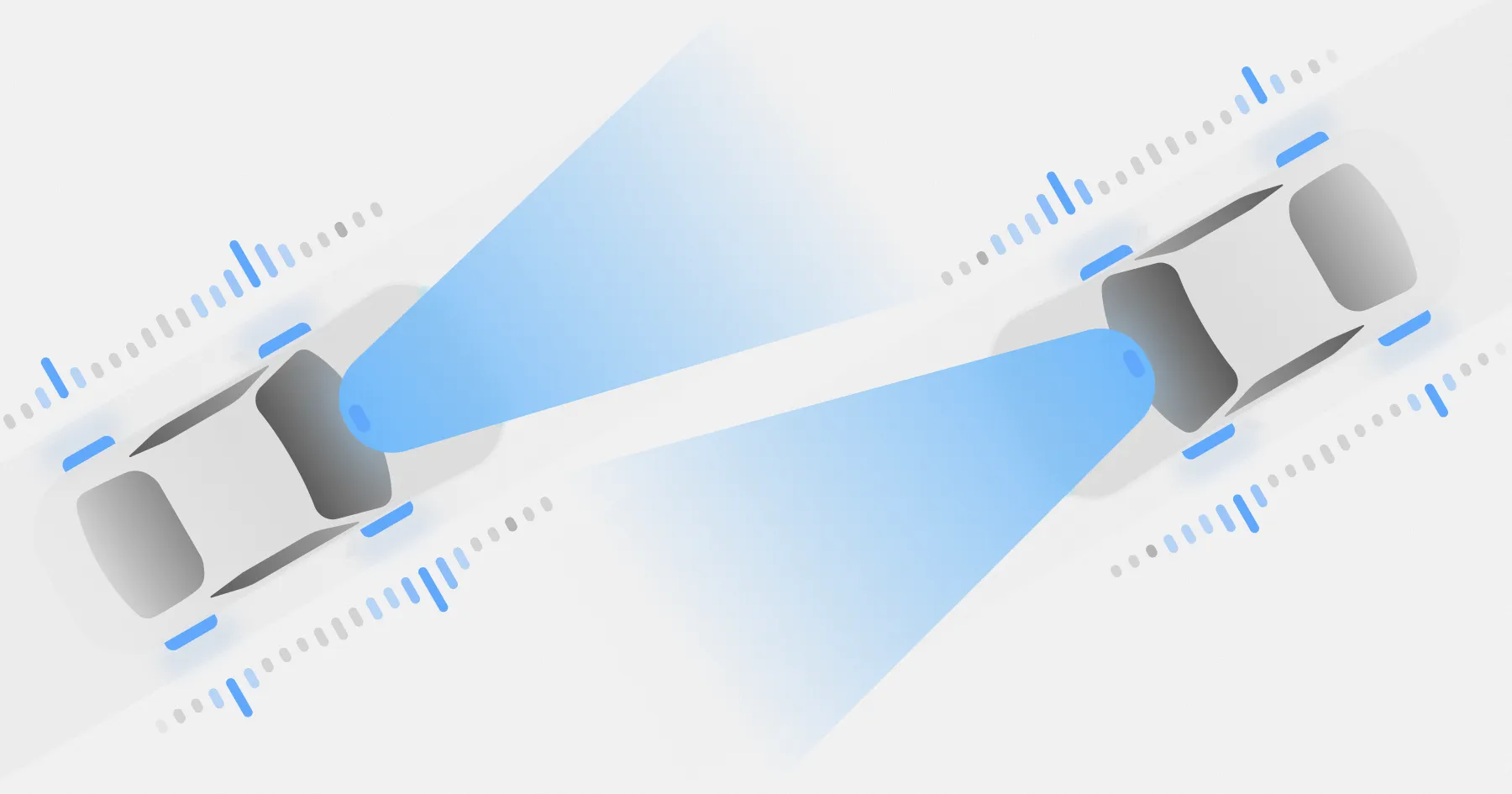
Le emissioni dei veicoli sono in calo in tutta Europa: un segnale promettente per gli ambiziosi obiettivi climatici dell'UE. In particolare, le emissioni allo scarico sono diminuite grazie a motori più puliti, una migliore efficienza dei consumi, una pianificazione della mobilità più intelligente e la rapida adozione dei veicoli elettrici. Tuttavia, a uno sguardo più attento, il quadro appare meno chiaro.
Sebbene le emissioni legate alla combustione stiano diminuendo, l'inquinamento atmosferico causato dal traffico non è scomparso: proviene semplicemente da fonti diverse. Le emissioni non allo scarico (NEE) — minuscole particelle aerodisperse prodotte dall'usura degli pneumatici, dall'abrasione dei freni e dal deterioramento del manto stradale — rappresentano oggi la maggior parte del particolato legato al traffico in molte città. E peggiore è la strada, maggiore è l'inquinamento. Questo articolo esplora il legame spesso trascurato tra qualità stradale e qualità dell'aria, e come il monitoraggio delle infrastrutture in tempo reale basato sull'intelligenza artificiale possa aiutare a colmare questa lacuna.
Il problema delle emissioni invisibili
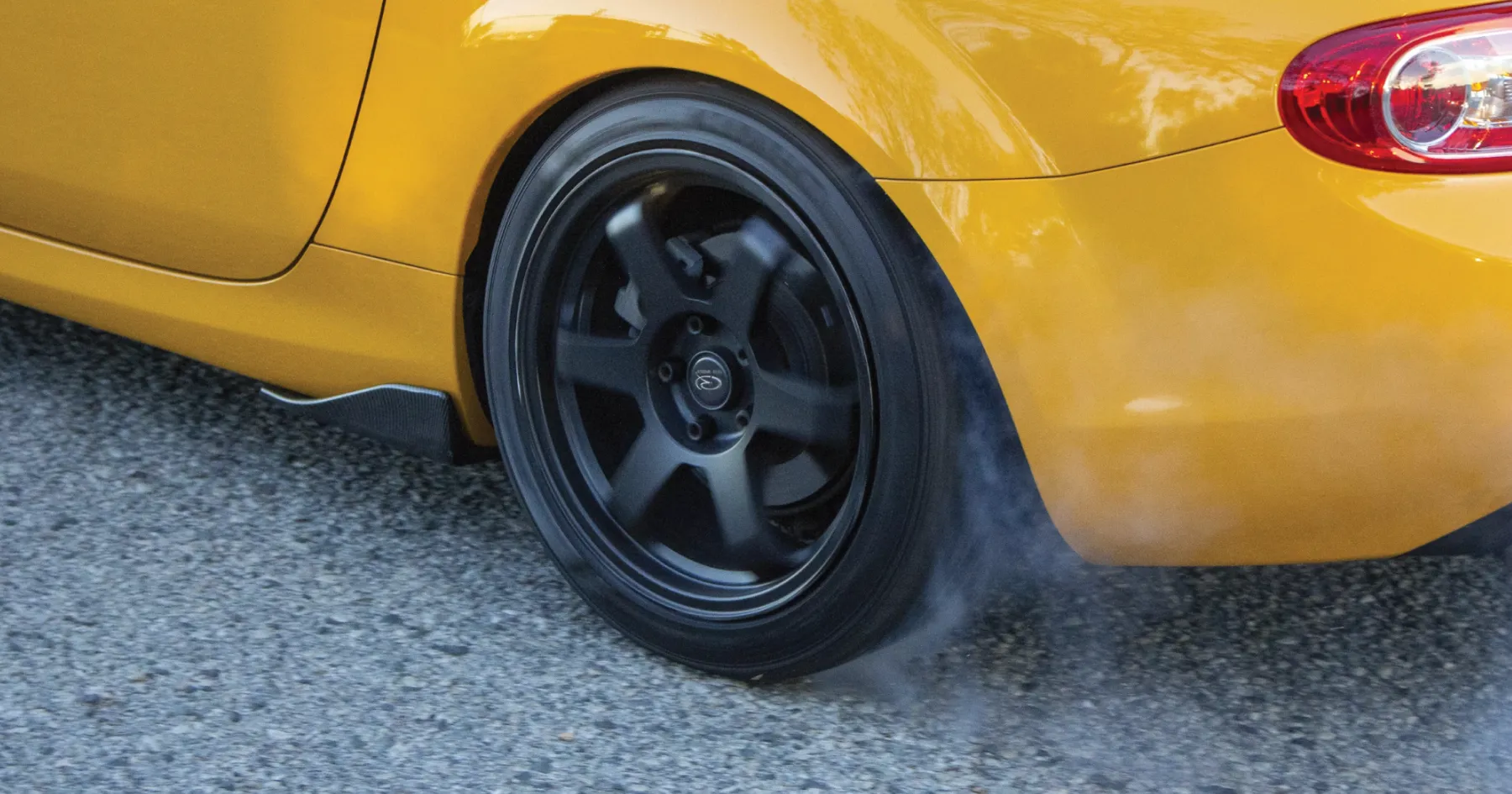
Le NEE derivano dall'usura dei freni, degli pneumatici, dal degrado del manto stradale e dalla risospensione delle polveri al passaggio dei veicoli. Queste emissioni contribuiscono al particolato — un mix di particelle solide e liquide sospese nell'aria — che può penetrare nei polmoni e nel flusso sanguigno. Secondo l'Organizzazione Mondiale della Sanità, l'esposizione aumenta il rischio di asma, malattie cardiovascolari, cancro ai polmoni, ictus e morte prematura.
Un rapporto dell'OCSE del 2020 afferma che il particolato proveniente dalle autovetture è destinato ad aumentare del 53% entro il 2030 a causa dell'incremento dei volumi di traffico. Lo studio del 2025 di EIT Urban Mobility conferma la tendenza: in città come Londra e Milano, le fonti non allo scarico rappresentano già fino all'88% del particolato legato al traffico. Una volta rilasciate, queste particelle non inquinano solo l'aria. Trasportano microplastiche, metalli pesanti e additivi chimici che si depositano nel suolo e nell'acqua, alterando gli ecosistemi. Secondo l'Agenzia per la Protezione dell'Ambiente degli Stati Uniti, il particolato può acidificare laghi e torrenti, alterare l'equilibrio dei nutrienti e danneggiare colture e foreste.
In sintesi, la fonte principale dell'inquinamento da traffico si sta spostando dalle emissioni allo scarico a quelle create dall'attrito tra le superfici a contatto. Pneumatici, freni e strade usurate stanno diventando le maggiori fonti di inquinamento da particolato di oggi.
Perché l'elettrificazione non basta
L'elettrificazione sta trasformando la mobilità, riducendo le emissioni di CO₂ e aiutando i paesi a raggiungere i propri obiettivi climatici. Ma quando si parla di NEE, non è una soluzione miracolosa.
I veicoli elettrici sono solitamente più pesanti di quelli a combustione, spesso del 20% o più a causa del peso delle batterie. Questa massa aggiuntiva aumenta sia l'usura degli pneumatici che l'abrasione stradale, specialmente su superfici già degradate. Quindi, se da un lato i veicoli elettrici sono ottimi per ridurre l'inquinamento allo scarico, dall'altro contribuiscono — e in alcuni casi peggiorano — l'inquinamento da particolato. Questo problema sta iniziando a ricevere attenzione da parte dei decisori politici. Il prossimo standard Euro 7 includerà, per la prima volta, limiti all'usura di freni e pneumatici. Tuttavia, tali normative si applicano solo ai veicoli nuovi, non ai milioni di mezzi già in circolazione. Inoltre, non affrontano le condizioni delle strade stesse, nonostante siano una parte importante del problema.
Come le cattive condizioni stradali accelerano le emissioni
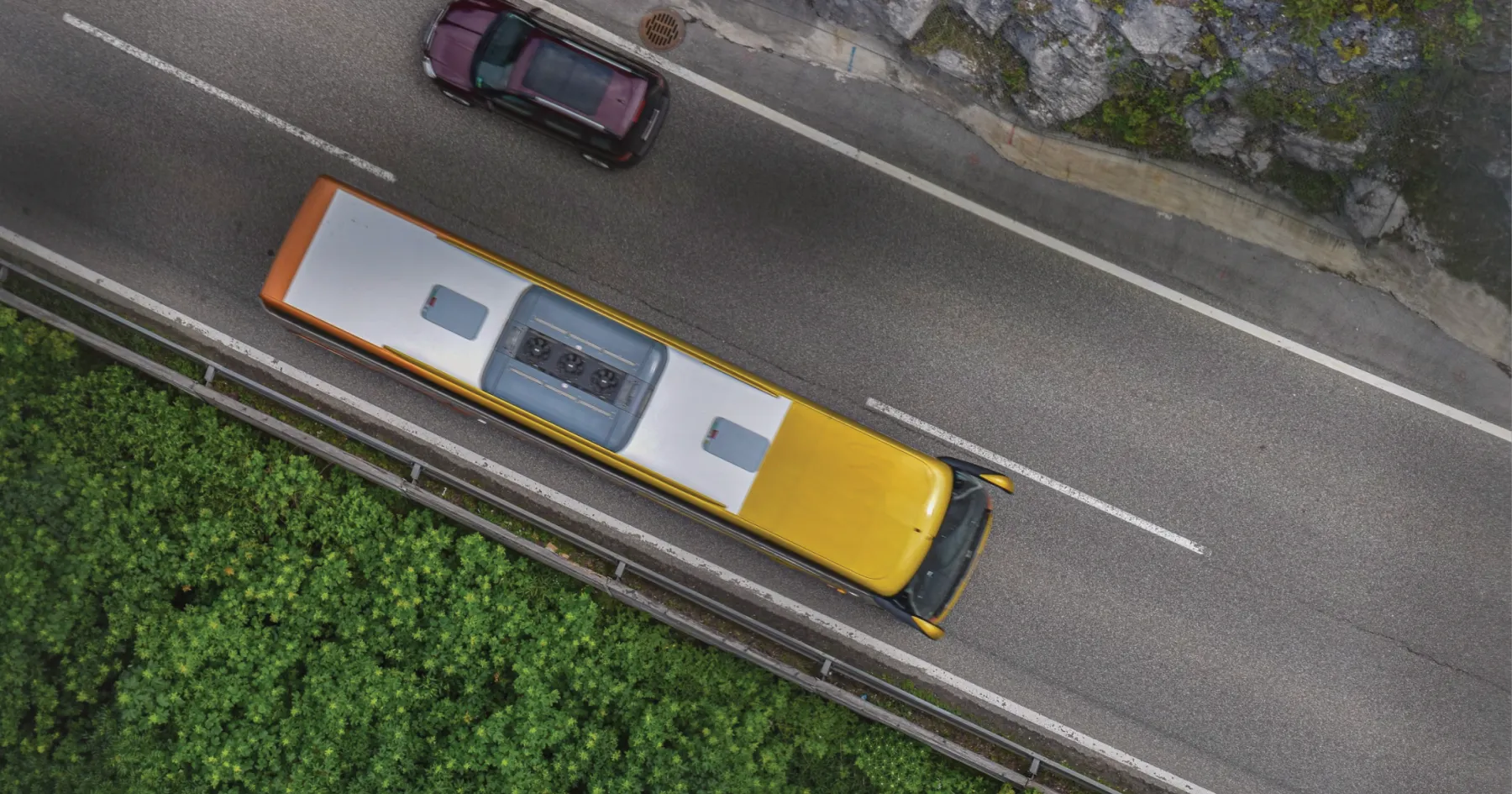
Buche, crepe e superfici stradali irregolari intensificano ogni forma di inquinamento non allo scarico. Ecco come accade sulla strada:
- L'usura degli pneumatici aumenta quando l'attrito e l'abrasione crescono su superfici irregolari o danneggiate, causando un'usura — e di conseguenza emissioni — significativamente maggiore rispetto alla guida su asfalto liscio.
- L'usura del manto stradale accelera, contribuendo alla formazione di detriti che i veicoli sollevano, disperdendo particelle nell'aria.
- Le sospensioni del veicolo vengono sollecitate, aumentando il carico verticale sugli pneumatici, il che accelera l'usura e incrementa le emissioni.
- Lo stile di guida cambia, poiché i conducenti frenano, accelerano o sterzano bruscamente per evitare danni, sottoponendo pneumatici e freni a uno stress meccanico più aggressivo e aumentando così le emissioni.
Secondo l'OCSE, i veicoli che percorrono strade in cattivo stato possono emettere fino al 30% in più di particolato da pneumatici e manto stradale rispetto a quelli che viaggiano su asfalto liscio. E l'effetto è ancora peggiore in condizioni di pioggia.
Si crea così un circolo vizioso: le superfici degradate aumentano l'usura degli pneumatici, che a sua volta accelera il deterioramento del manto. Questo fa lievitare le emissioni e, se non affrontato, il problema degenera rapidamente.
Sebbene il legame tra qualità stradale ed emissioni non allo scarico (NEE) sia sempre più evidente, molte città ed enti locali mancano ancora di dati aggiornati su quali superfici si stiano deteriorando e con quale rapidità. Ciò rende difficile intervenire tempestivamente prima che i danni peggiorino e le emissioni aumentino. E anche quando i dati sono disponibili, l'inquinamento non allo scarico viene raramente preso in considerazione nelle decisioni su dove e quando intervenire. Di conseguenza, il costo ambientale delle strade dissestate continua a essere trascurato.
Fortunatamente, una nuova generazione di strumenti sta colmando queste lacune.
Intelligence stradale in tempo reale
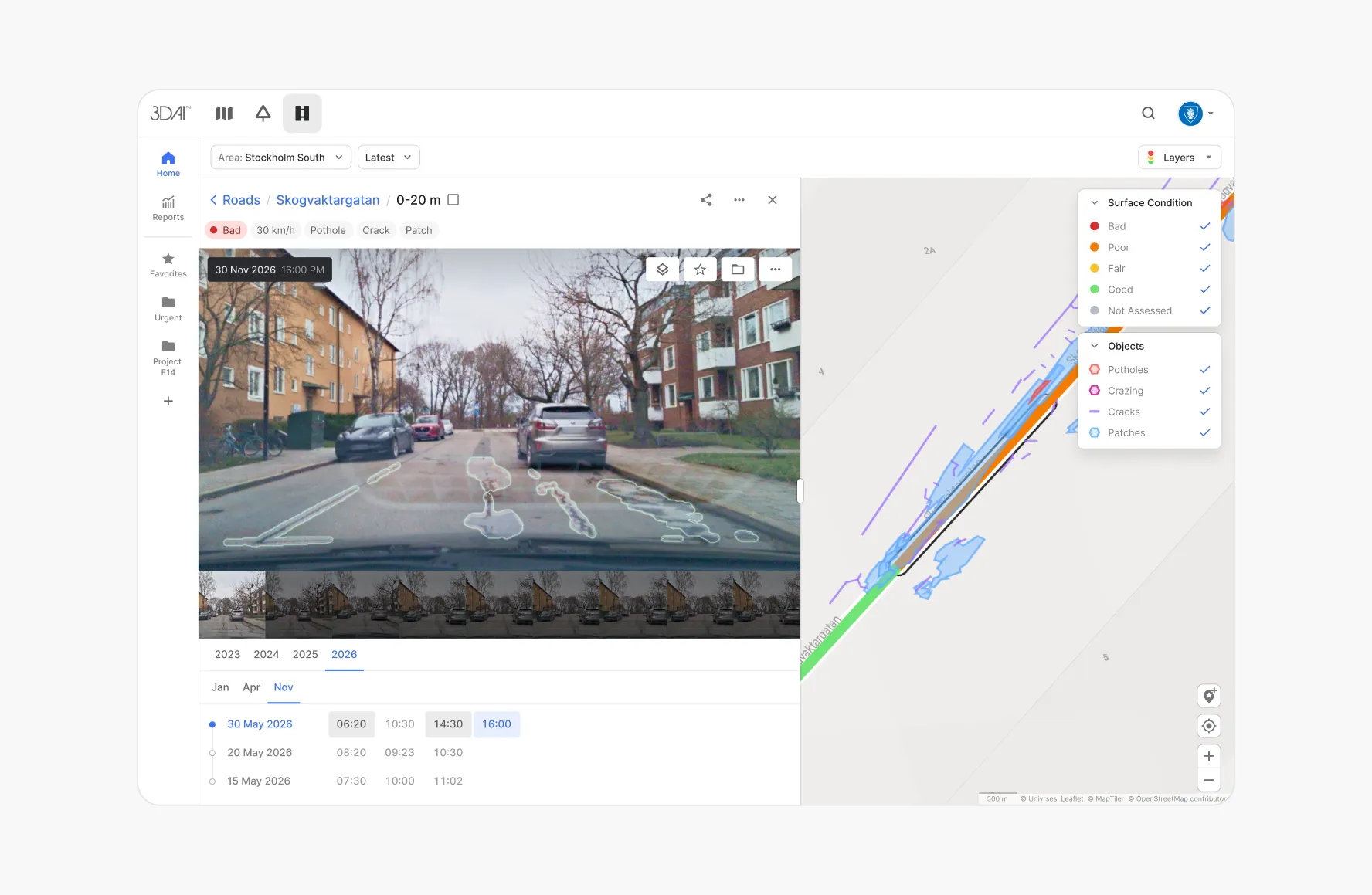
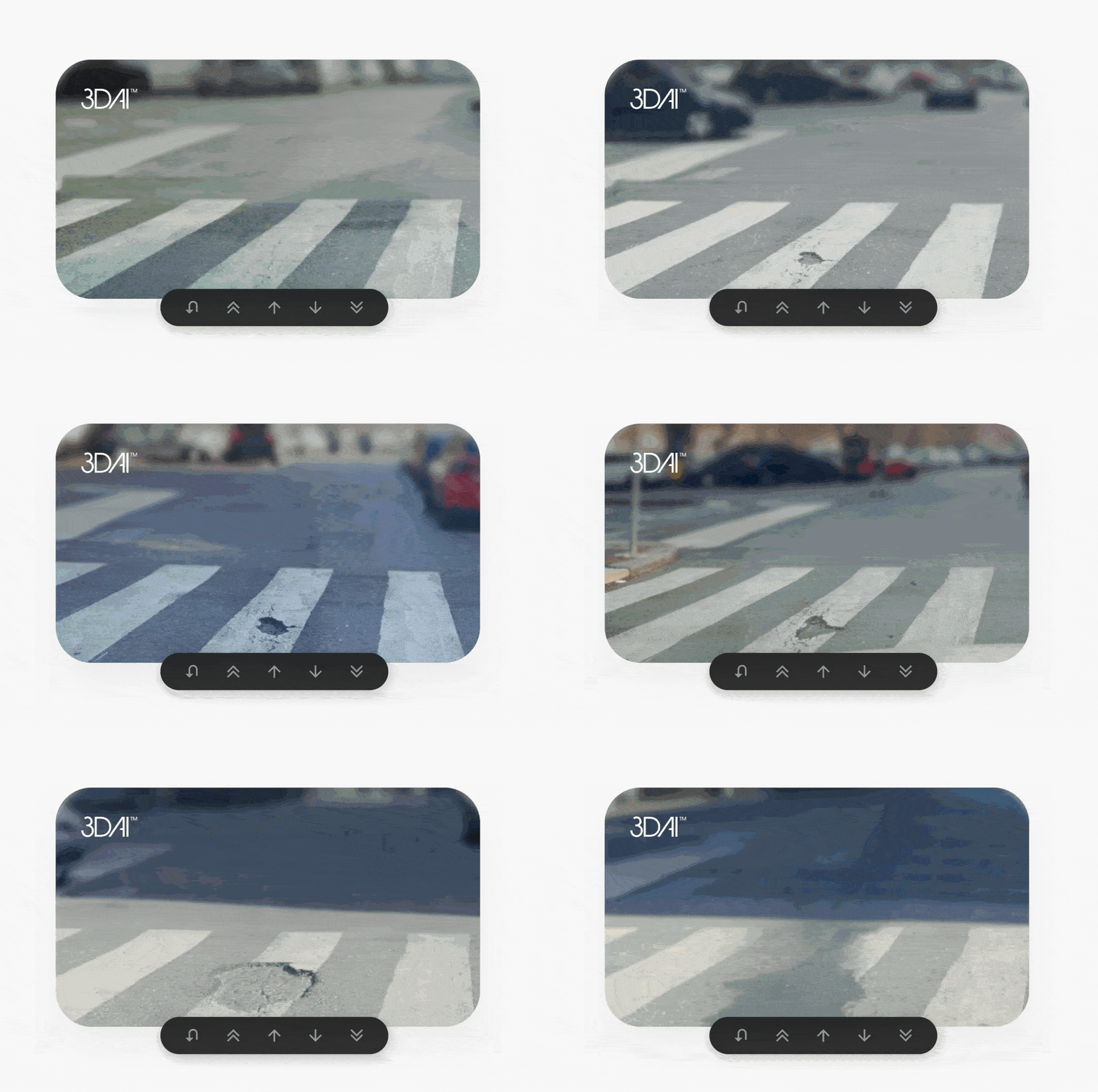
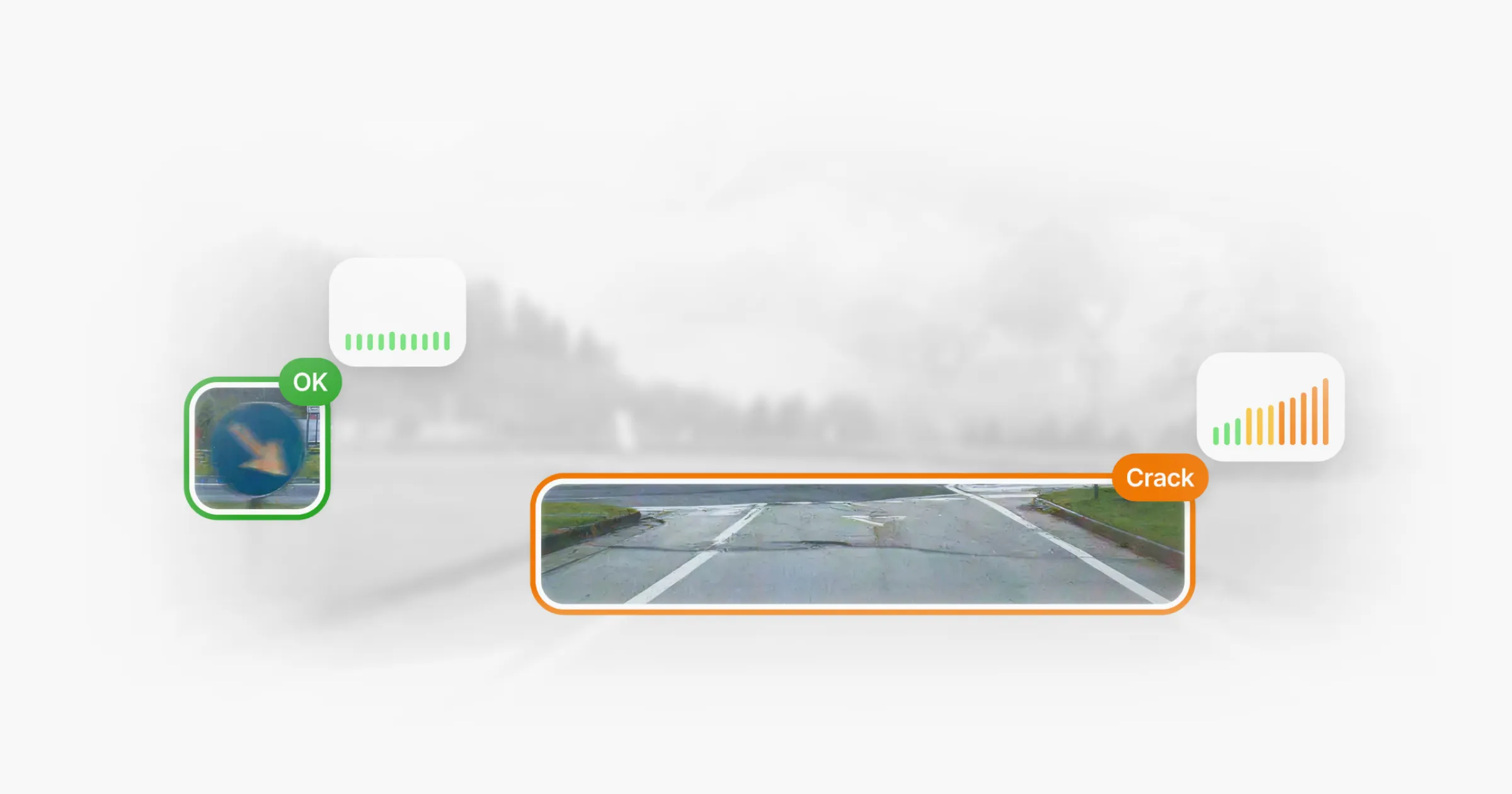
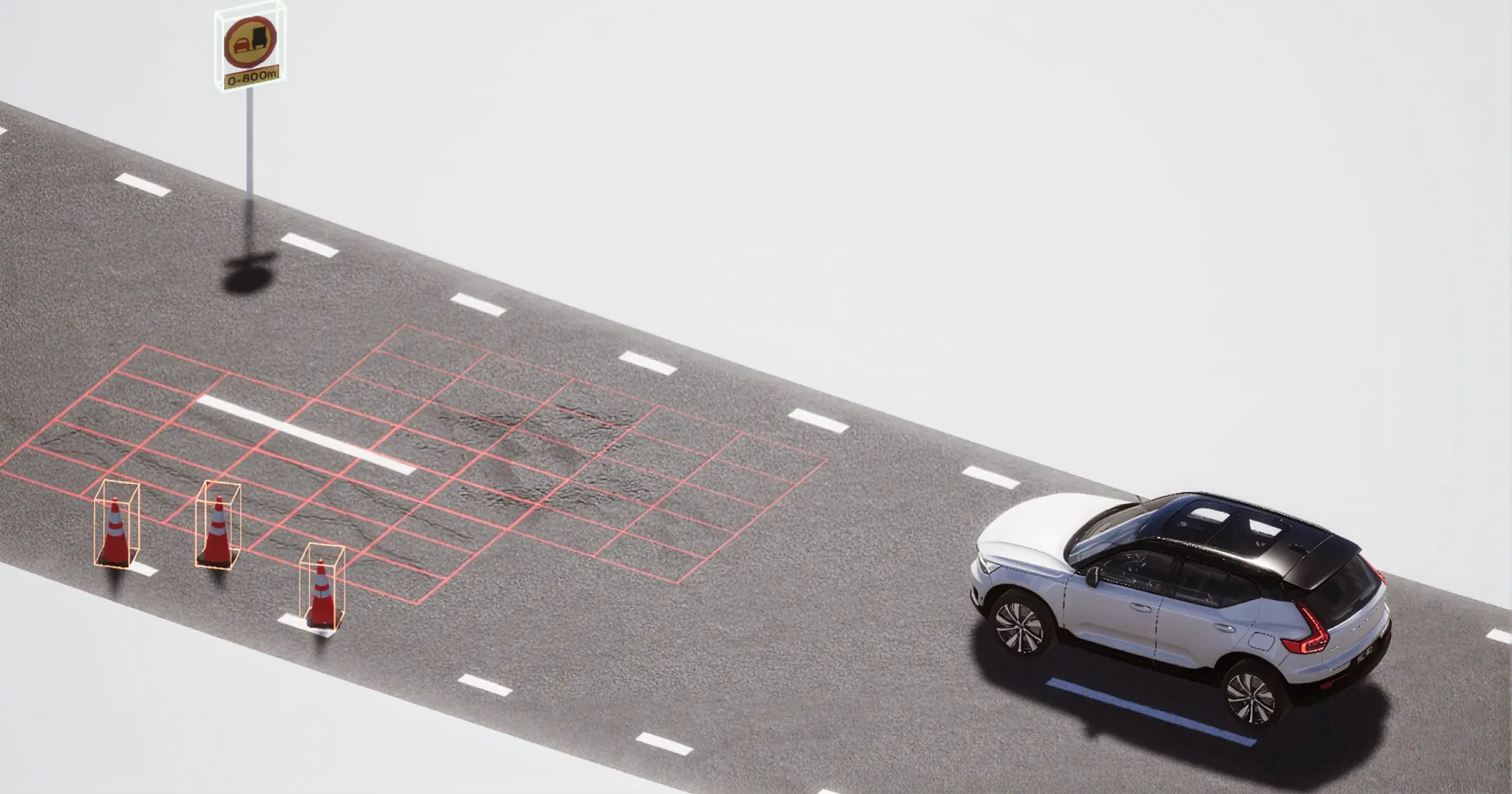
Il sistema di monitoraggio basato sull'intelligenza artificiale di Univrses, 3DAI™, offre una visibilità in tempo reale che le tradizionali indagini stradali non possono garantire. Installato su veicoli standard, utilizza la visione artificiale e l'apprendimento automatico per scansionare continuamente le superfici stradali, identificando crepe, buche e segni di usura non appena si presentano.
Grazie a questo flusso di dati strutturati e geolocalizzati, le autorità competenti possono:
- Individuare tempestivamente punti critici e tendenze di deterioramento
- Considerare l'impatto ambientale, oltre alla sicurezza, nel dare priorità ai lavori di rifacimento
- Monitorare come gli interventi di manutenzione influiscono sulle emissioni nel tempo
Passando da sporadici rilievi stradali a insight continui basati sui dati, è possibile abbandonare gli interventi reattivi a favore di una manutenzione mirata e proattiva, risparmiando risorse, migliorando le infrastrutture e riducendo l'inquinamento alla fonte.
Come funziona 3DAI™
1. Scansione tramite smartphone. I veicoli dotati di 3DAI™ scansionano costantemente il manto stradale utilizzando le fotocamere e i sensori di movimento degli smartphone.
2. Rilevamento basato sull'IA. Gli algoritmi di visione artificiale identificano crepe, buche, usura superficiale e altri difetti, automaticamente e in tempo reale.
3. Elaborazione edge. I dati chiave vengono elaborati direttamente sul dispositivo, mantenendo le dimensioni dei file ridotte e consentendo un filtraggio immediato delle informazioni utili.
4. Raffinamento in cloud. I rilevamenti vengono caricati e strutturati nel cloud, dove vengono convalidati e organizzati per facilitare l'intervento.
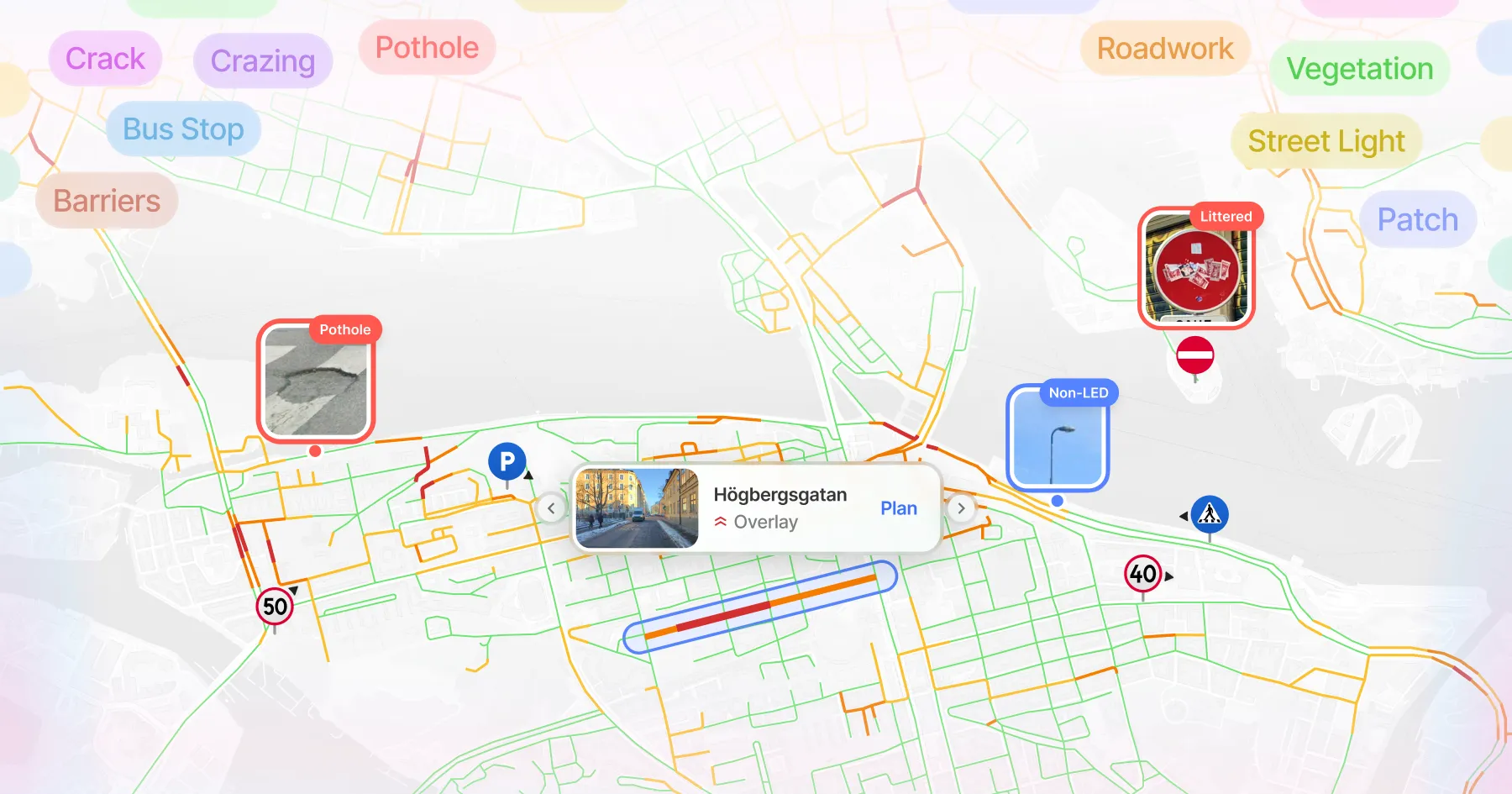
5. Mappatura geolocalizzata. Ogni problema viene associato alla sua esatta posizione GPS, consentendo una localizzazione precisa all'interno dell'inventario stradale.
6. Analisi dei trend. Nel tempo, 3DAI™ monitora i tassi di deterioramento, supportando una manutenzione proattiva e una migliore pianificazione del budget.
Comprovato sul campo
3DAI™ non è solo un'idea promettente: sta già aiutando le autorità ad agire prima e in modo più intelligente. Interventi più rapidi significano meno degrado superficiale e minori emissioni dovute all'usura degli pneumatici e ai detriti. Sta già portando risultati misurabili in tutta Europa:
- Solo nel 2024, 3DAI™ ha scansionato quasi 950.000 km di strade in sei paesi e ha elaborato oltre 94 milioni di immagini — aiutando le autorità a monitorare le proprie infrastrutture e a migliorare la pianificazione della manutenzione.
- A Helsingborg, in Svezia, il passaggio a una manutenzione basata sui dati ha contribuito a ridurre il numero di buche del 70% in soli cinque mesi — da 3.000 a 900 — riducendo al contempo le ispezioni manuali da 2,5 giorni a settimana a una sola ora. Il comune stima che questo abbia già fatto risparmiare tra i 17 e i 25 milioni di euro.
- A livello nazionale, Trafikverket (l'Amministrazione svedese dei trasporti) utilizza ora 3DAI™ per ricevere aggiornamenti settimanali o addirittura giornalieri sulle tratte ad alto traffico. Si tratta di un notevole miglioramento rispetto ai metodi precedenti, che si basavano su rilievi manuali, spesso condotti solo una volta all'anno.
Univrses ha inoltre iniziato a collaborare con i principali produttori di pneumatici per esplorare come i dati sulle condizioni stradali forniti da 3DAI™ possano supportare una migliore progettazione e utilizzo degli pneumatici, contribuendo a ridurne l'usura e a prolungarne la durata. Queste collaborazioni mirano anche a studiare come gli pneumatici intelligenti possano contribuire al monitoraggio stradale misurando direttamente le NEE.
La strada verso un'aria più pulita
Ridurre le NEE richiede un cambio di mentalità: la qualità delle strade non è solo una questione di mobilità, ma di salute pubblica. Per agire, i decisori dovrebbero:
- Riconoscere il degrado stradale come causa di inquinamento atmosferico e integrarlo nelle strategie per il clima e la mobilità sostenibile
- Adottare strumenti di monitoraggio in tempo reale per passare da una gestione reattiva a una proattiva delle infrastrutture
- Utilizzare dati intelligenti per dare priorità al rifacimento del manto stradale dove è più necessario, aumentando l'attenzione sulle strade ad alto attrito che generano maggiori emissioni
- Promuovere quadri normativi più ampi che includano le NEE e la qualità delle infrastrutture, non solo i veicoli e i carburanti
Affrontando direttamente il degrado del manto stradale e fornendo alle autorità le informazioni necessarie per agire in modo più tempestivo e intelligente, possiamo ridurre significativamente l'inquinamento causato dall'usura di pneumatici e asfalto. 3DAI™ offre una soluzione scalabile per attuare questo cambiamento.
È tempo di smettere di considerare le strade dissestate come un semplice disagio e iniziare a riconoscerle come una fonte di inquinamento prevenibile, che si nasconde sotto i nostri occhi.

Chi è Univrses
Univrses è un'azienda leader nel campo della visione artificiale e dell'intelligenza artificiale, specializzata in software che forniscono ai sistemi autonomi capacità di percezione avanzate. L'azienda ha collaborato con importanti case automobilistiche per sviluppare componenti software oggi integrati in veicoli di serie, inclusi modelli di punta come la Polestar 3 e la Volvo EX90.
Sfruttando la sua solida posizione nel settore automobilistico, Univrses si è espansa nel mercato multimiliardario della gestione degli asset, utilizzando i dati provenienti dai normali veicoli passeggeri. Attraverso i suoi algoritmi proprietari, l'azienda trasforma i dati grezzi dei sensori in informazioni azionabili, fondamentali per una gestione efficiente delle infrastrutture.
Questi dati consentono una comprensione dettagliata e in tempo reale dell'infrastruttura stradale, incluse le condizioni del manto, la segnaletica, la segnaletica orizzontale e l'illuminazione pubblica. Il sistema di IA può essere utilizzato anche per monitorare e analizzare progetti in corso, come cantieri e lavori stradali. Sfruttando queste informazioni, le città e gli enti gestori delle strade possono prendere decisioni migliori, allocare le risorse in modo più efficiente, ridurre le emissioni di CO₂, abbattere i costi e migliorare la sicurezza stradale.
Con una presenza consolidata sul mercato, Univrses aiuta città, autorità di trasporto stradale e appaltatori a ottenere significativi risparmi annuali, potenzialmente nell'ordine di centinaia di milioni di euro per paese. La soluzione proprietaria 3DAI™ dell'azienda è già stata adottata dalle autorità nazionali per le reti stradali in sei paesi europei, tra cui Svezia, Danimarca, Norvegia, Paesi Bassi, Regno Unito e Italia.
La qualità delle strade è qualità dell'aria
Prenota una demo e scopri 3DAI™ in azione
Continua a leggere




Attivo in oltre 15 paesi insieme a enti stradali nazionali e organizzazioni del settore.